
European Conference of Tropical Ecology (2026)

February 27, 2026
WDG

The European Conference of Tropical Ecology is organised on behalf of the Society for Tropical Ecology. To find out more about the society click here.

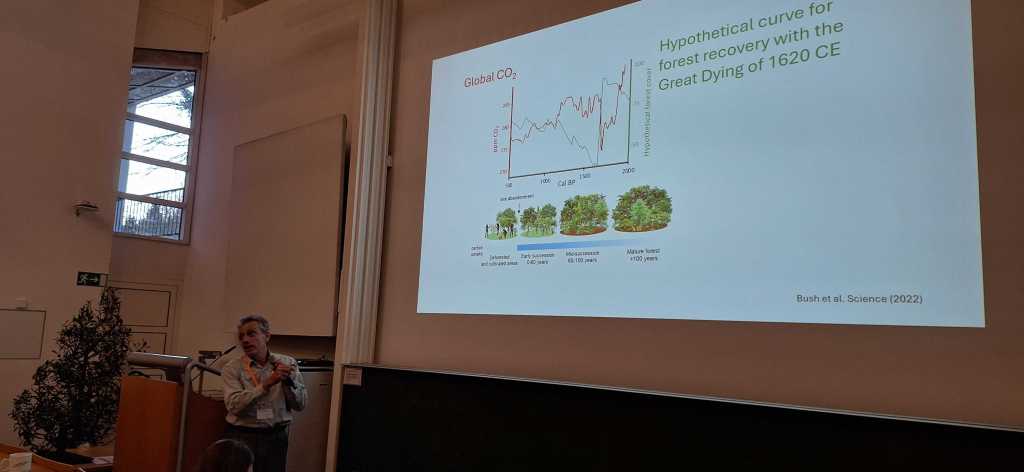
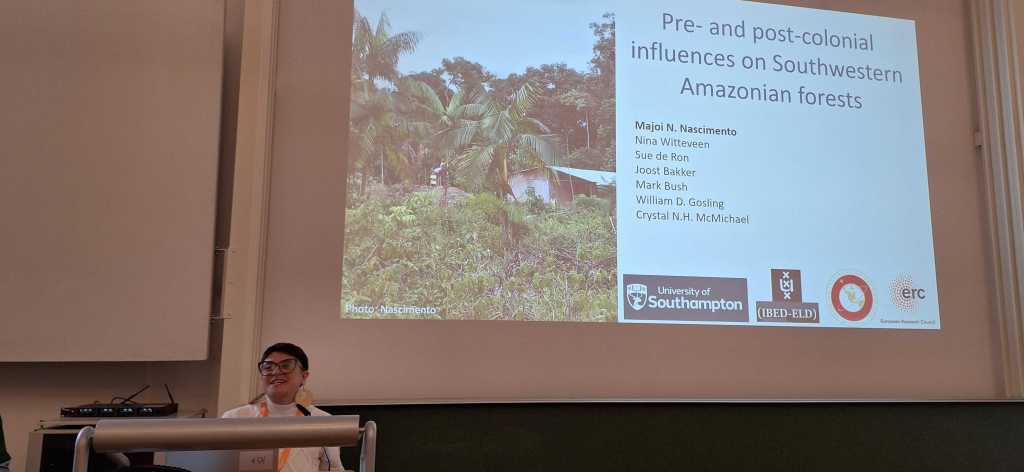
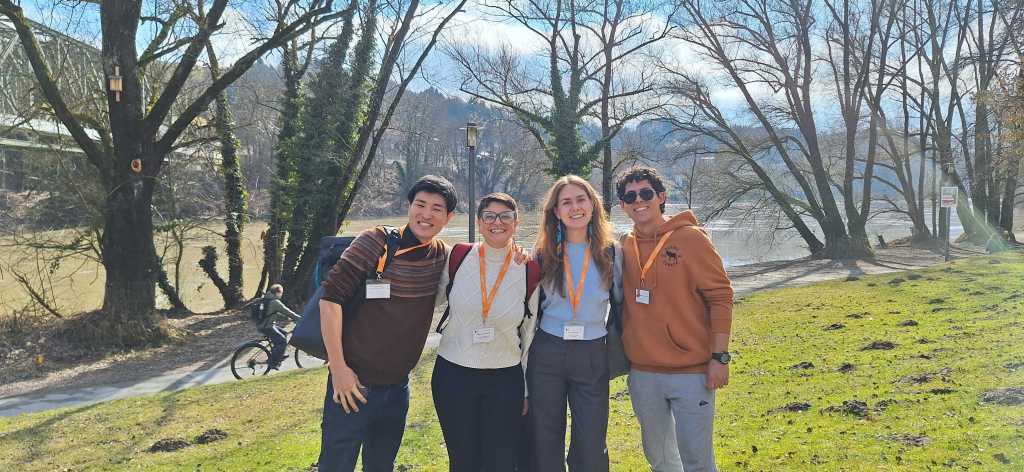
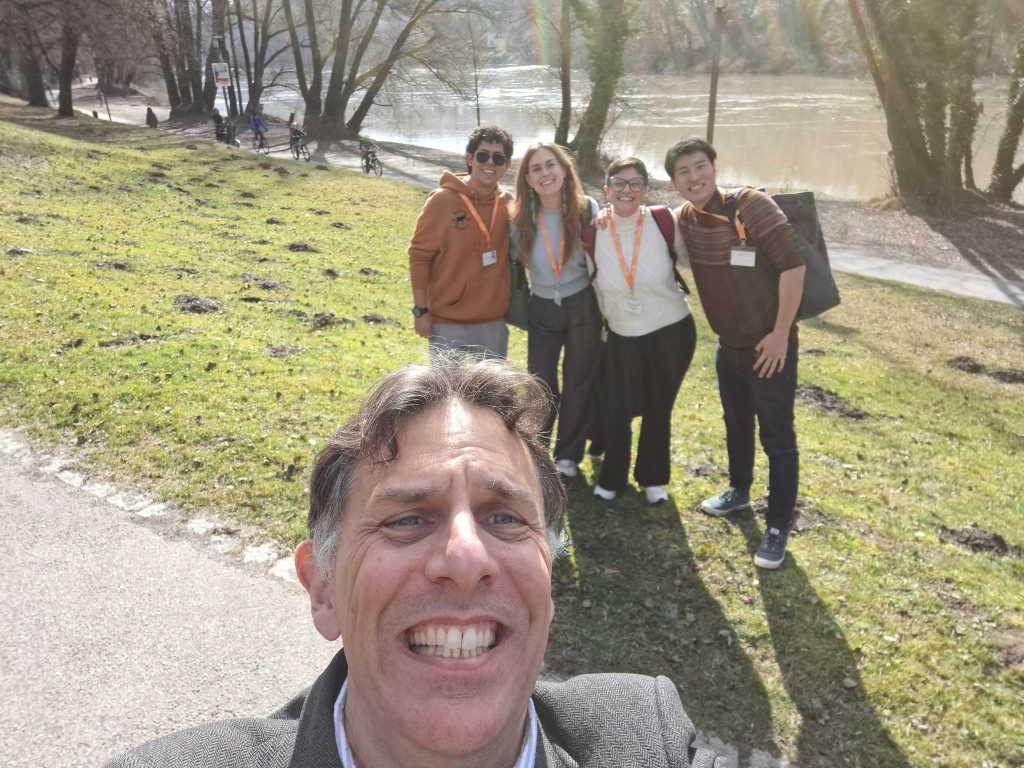
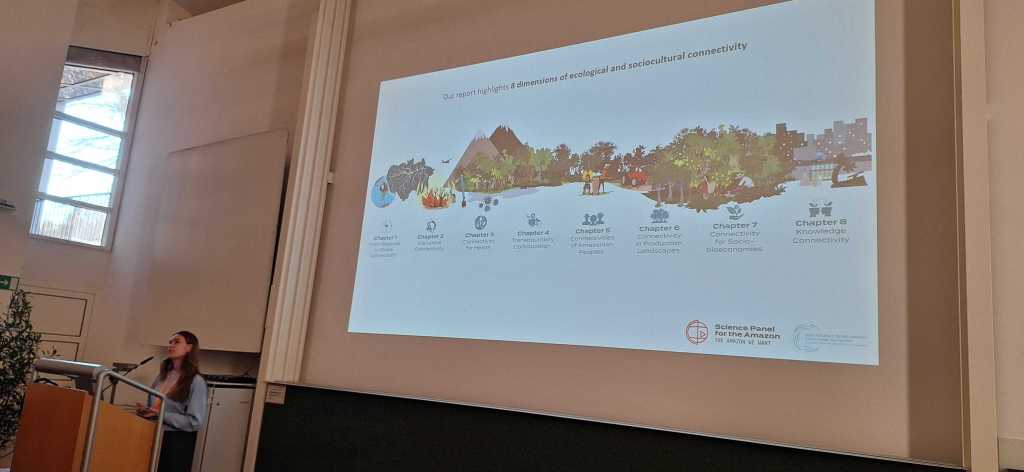
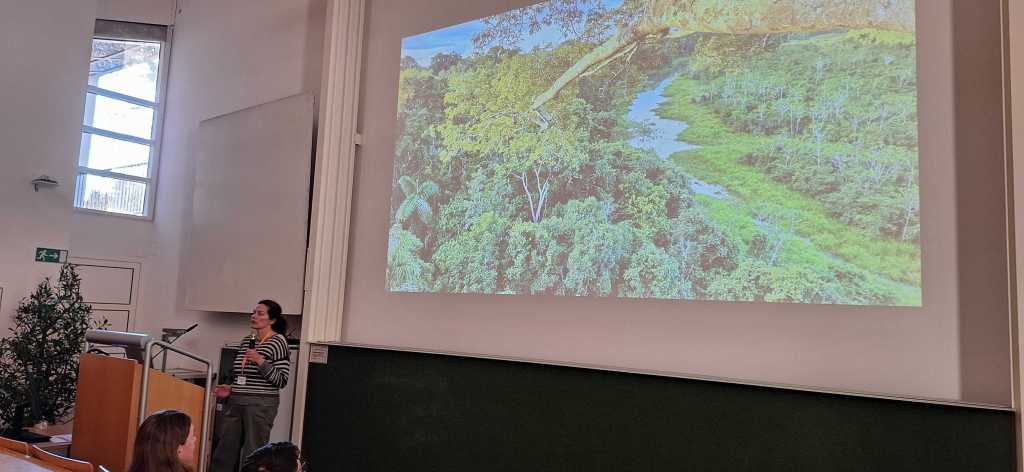
The 9th European Conferenc of Tropical Ecology took place in Passau (Germay) between the 23 and 27 February 2026. The theme of the meeting was “Species-Ecosystems-People” and it brought together around 250 tropical ecology researchers from around the globe to discuss the latest research in the field. The meeting ran very smoothly – credit to Christine Schmitt and her team at the University of Passau – and I enjoyed the conference very much. I followed sessions focused on topics ranging from climate change impacts and change through time, through human-environment interactions, to traits, and recovery and restoration.

It was great to see a good contingent of tropical palaeoecologists present. With Rob Marchant (York University) providing a key note spanning past environmental change through to socio-ecological systems, entitled: “Embedding the past for balanced future tropical mountain social ecological systems”. Palaeoecological talks and posters came from around the world, including Bolivia, Cuba, Brazil, Seychelles, and Democratic Republic of Congo. All provided new insights and suggested high potential for revealing novel information about past ecosystems and the drivers of change.

To find out more about the talks check out the abstract booklet which is available via the conference web site: https://gtoe2026-passau.de/book-of-abstracts.html
A 7000-year history of changing plant trait composition in an Amazonian landscape; the role of humans and climate

March 18, 2019
WDG

Open access:

van der Sande, M.T., Gosling, W.D., Correa-Metrio, A., Prado-Junior, J., Poorter, L., Oliveira, R.S., Mazzei, L. & Bush, M.B. (2019) A 7000-year history of changing plant trait composition in an Amazonian landscape; the role of humans and climate. Ecology Letters DOI: 10.1111/ele.13251

Read Institute for Biodiversity & Ecosystem Dynamics press release:
Millennial-scale effects of human disturbance on tropical forests

Netherlands Annual Ecology Meeting 2016 – day 1

February 10, 2016
WDG

NAEM_0Netherlands Annual Ecology Meeting (NAEM) 2016
9 February 2016
Conference Centre “De Werelt”, Lunteren

The annual Dutch ecology conference is being held over two days at the in “remote” Lunteren and I am pleased to be able to attend all of the conference this year. The conference was kicked off this morning with a recognition that this year is 150 years since the birth of ecology as a science (Haeckel, 1866). The opening two keynotes focused on aspects of ecology which have sometimes been overlooked firstly, parasitism (Peter Hudson, Penn State University) and secondly, immunology (Irene Tieleman, University of Groningen). Following these I focused on just two sessions in the morning “linking diversity to function”, and in the afternoon “ecosystem cascades”. From the range of excellent talks in the sessions I have picked one from each as my favourite:

  1. Masha van der Sande (Wageningen University) The role of biodiversity and environment on productivity in tropical forests; evidence across scales
    By examining long-term tropical forest monitoring data van der Sande demonstrated that through time ecosystem traits changed significantly. She hypothesised that the lack of stability in ecosystem traits was due to past disturbance; although it is unclear what caused this disturbance (climate or humans), or when it occurred.
  2. Dries Kuijper (Mammal Research Institute, Poland) Landscapes of fear in Europe: Wolves and humans shaping ungulate top-down effects
    By tracking Wolf pack distributions in the Bialowieza forest (Poland) Kuijper showed that ungulates avoided Wolf pack  “core areas” for fear of predation, that the exclusion of ungulates lead to reduced browsing of the vegetation, and so consequently forests regenerated faster in Wolf pack core areas.

The evening lecture was given by Bart Knols (in2care) who gave an impassioned talk on the importance of communicating science beyond the academic sphere. Arguing that now is the time for ecologists to have an influence on policy making, politics and business, as well as showing us how he has done this.

Great day.

Continue Reading

Blog at WordPress.com.