Mapping Ancient Africa: Climate, vegetation & humans

April 14, 2026
WDG

The Mapping Ancient Africa (MAA) special issue in Quaternary International (QI) is now complete. Many thanks to all who contributed to the issue, and special thanks to my co-guest editors Stefanie Kaboth-Bahr and Rahab Kinyanjui, and QI editor Evdokia Tema, for their efforts in putting this together.

To wrap up the MAA special issue the guest editors have written an editorial covering the work of this multi-year project. In this we draw out key themes that have emerged from the work (vegetation dynamics, fire, and human behavior), review the project activities (including workshop photos), and highlight other publications by MAA members (lots of other exciting work going on). You can read all about it in:

The MAA multi-year project supported by INQUA is now in its final stages. We have delivered our final workshop (South Africa), our special issue, and created a body of online resources via this blog and the YouTube channel (>50 MAA videos!) that will hopefully inform and inspire researchers interested in past environmental change in Africa. Most importantly I hope that we have build a network of people (>140 members on our email list at the time of writing) who are passionate and engaged with understanding how climate, vegetation and humans have helped shape the African continent. I hope that these connections will keep building over the coming years and new projects, papers and insights will emerge.

The Ecology of the Past blog will continue, however, it will – of course – miss the regular input from the MAA project. Therefore, if anyone has suitable academic content that they wish to communicate through the blog please do not hesitate to get in contact.

A final thanks to INQUA Palaeoclimate commission (PALCOM) and Humans and Biosphere commission (HABCOM) for their support for MAA since its inception in 2021. Without this funding none of the work would have been possible.

For full list of MAA articles click here.

INQUAlogo

Dutch Earth & Environmental Science Conference 2026

April 11, 2026
WDG

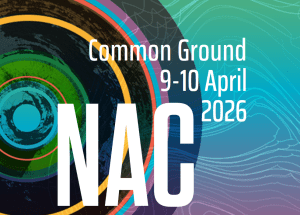
“Common Ground”

NWO NAC (Dutch Earth & Environmental Sciences Conference)

9-10 April 2026

The annual Dutch Earth & Environmental Science conference took place at the NH Noordwijk Conference Centre Leeuwenhorst in Noordwijkerhout amoung some of the many Dutch flower fields.

Before the conference was a “Strategic evening” which provided an opportunity to meet scientists from other universities and organisations, and to discuss topical issues. This included a presentation of the recently completed “Earth & Environmental Science Vision” document (which can be dowloaded from the AMW Raad [Earth & Environmental Science Council] web page).

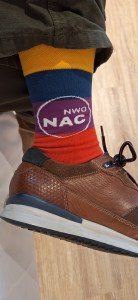
On the first day of the conference proper I was involved in chairing two sessions on “Palaeoclimate”. These sessions covered a wide range of topics, proxies and time periods, and included work on the Paleocene-Eocene Thermal Maximum, tipping points, and the Younger Dryas period. Excitingly for chairing these sessions I recieved a pair of NWO NAC socks!

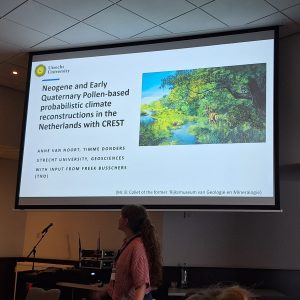
On the second day of the conference – sporting my new NAC socks – I presented our recently published work on landscape openness in the pre-farming European landscape. This was centred upon the recent publication of the palaeoecological record from Well-Aijen (Limburg, the Netherlands) which was the culmination of many years, and many students, research (Gosling et al., 2025). It was great to get positive feedback from the Dutch scientific community on this study. The session also included exciting work on reconstructing past climate from pollen data using the CREST model (Chevalier, 2022) and the extraction of biodiversity data from sedimentary pollen records.

As well as the science talks the meeting had posters, exhibitors, workshops (I attended the one of scientific drilling) and social events (pub quiz, bowling, dancing). The atmosphere was very friendly and it was very easy to meet new people. The area around is very pretty and I even managed to get out for a short run on one of the days. I would recommend this event to anyone working in Earth or environmental sciences in the Netherlands.

References

  • Chevalier, M. (2022). crestr: An R package to perform probabilistic climate reconstructions from palaeoecological datasets. Climate of the Past, 18(4), 821–844. https://doi.org/10.5194/cp-18-821-2022
  • Gosling, W. D., de Wolf, I. K., Witteveen, N. H., de Zwaan, S. B., van Teulingen, C., Föllmi, D., Thissen, W., Vink, V. B., Woutersen, A., Philip, A. L., van Herk, M. J., Nascimento, M. N., Prins, M. A., & McMichael, C. N. H. (2025). Herbivory and vegetation openness in a pre-farming European landscape. Plant Ecology & Diversity, 1–22. https://doi.org/10.1080/17550874.2025.2576566

Mapping Ancient Africa: Scientists

March 31, 2026
WDG

The Mapping Ancient Africa (MAA) research and writing workshop took place in South Africa during March 2026 (click here for more details). During the workshop four of the scientists participating were interviewed by MAA leader Stefanie Kaboth-Bahr to find out more about them, what they are focused on, and their aspirations for the future. These are now avaliable on the Mapping Ancient Africa YouTube playlist along with all the other videos from the project.

Participants

Zahra Omarjee (University of KwaZulu-Natal, South Africa)

Continue Reading

On ceremony… twice!

March 19, 2026
WDG

Reyan Christ graduating with an MSc in Earth Sciences

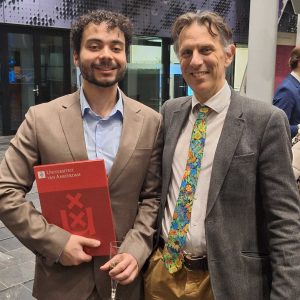
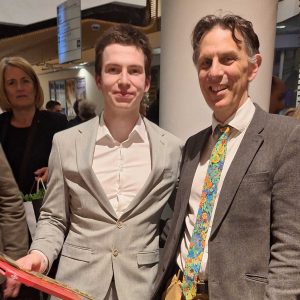
On the 18 March 2026 I had the fun challenge of speaking at two MSc graduation ceremonies that were running at the same time. Two ‘long-term’ members of the palaeoecology team at the University of Amsterdam had reached the culmination of their degree program.

Reyan Christ graduating Cum laude in MSc Earth Sciences (track Earth System Science) and Jelle Kraak graduating in MSc Biological Sciences (track Ecology & Evolution).

Reyan was up 2nd in the Earth Sciences program, and Jelle was up 5th in Biological Sciences, giving me approximately 10 mins to get between rooms! Thankfully everything ran to time and I was able to deliver my speeches for them both. It was great to meet their friends and families and celebrate this important moment for their education.

Jelle Kraak graduating with an MSc in Biological Sciences

It was also great to celebrate the submission of a manuscript (the day before) on which they are first and second author. This manuscript is based on a combination of their, and other students, theses work on past environmental change in the Drakensberg Mountains (South Africa), and conducted in collaboration with Jemma Finch and Trevor Hill at the University of KwaZulu-Natal. We now cross our fingers that the journal editors and reviewers are as excited as we are about their findings. Fingers crossed we can be announcing the published version on here later in the year…

Mapping Ancient Africa: Research & writing workshop

March 6, 2026
WDG

The third Mapping Ancient Africa (MAA) workshop took place in South Africa during March 2026. This workshop was supported by the International Union for Quaternary Research as part of the MAA multi-year project. The aim of this work shop was to provide specialist training in developing research projects and writing of scientific articles. During the workshop each participant developed, and progressed, their own personal work plan. These personal programs allowed the training to be tailored to the participants needs. They included a wide range of challenged ranging from the development of project ideas through to dealing with reviewer comments on manuscripts, and inclusivity, equality and diversity issues.

In addition to the academic program, social activities and excursions were designed to help build academic networks and promote informal discussion of past environmental change issues. These included hikes to the Holley Shelter archaeological site (Bader & Conrad, 2023) and Game Pass shelter rock art site (Hoerle, 2005).

Continue Reading

European Conference of Tropical Ecology (2026)

February 27, 2026
WDG

The European Conference of Tropical Ecology is organised on behalf of the Society for Tropical Ecology. To find out more about the society click here.

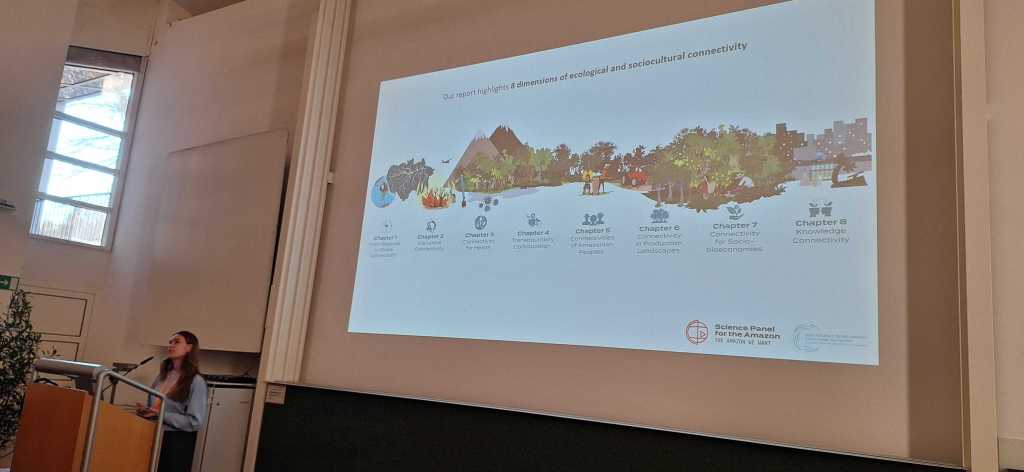
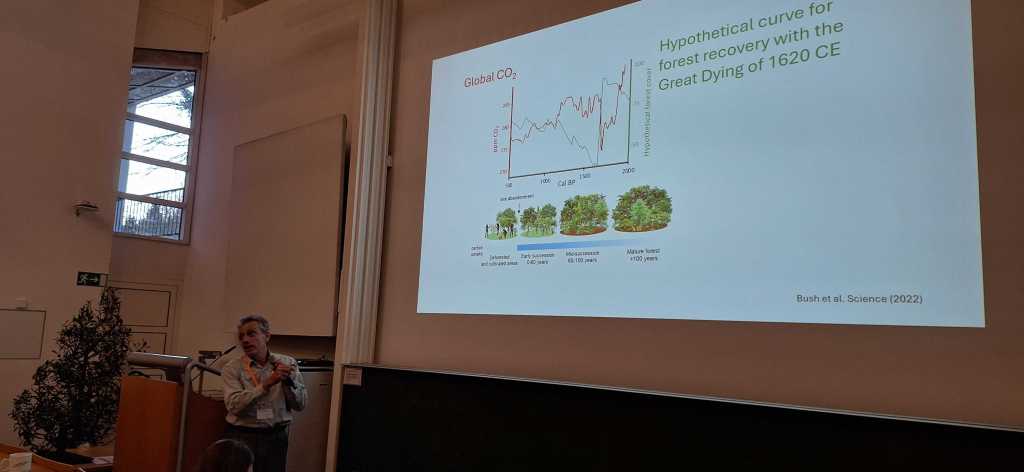
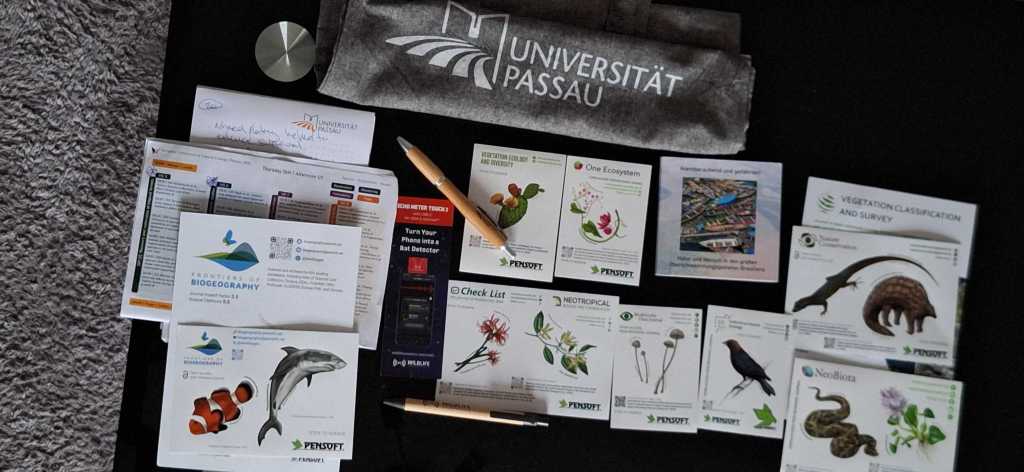
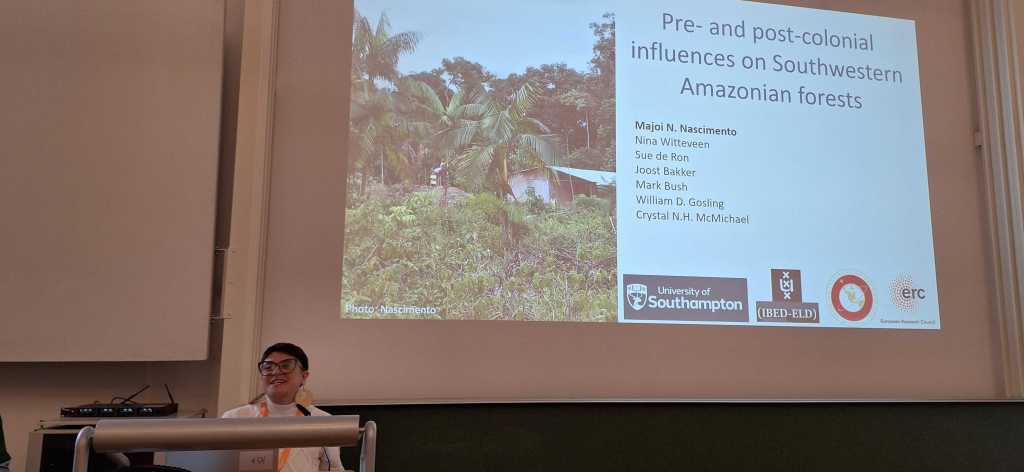
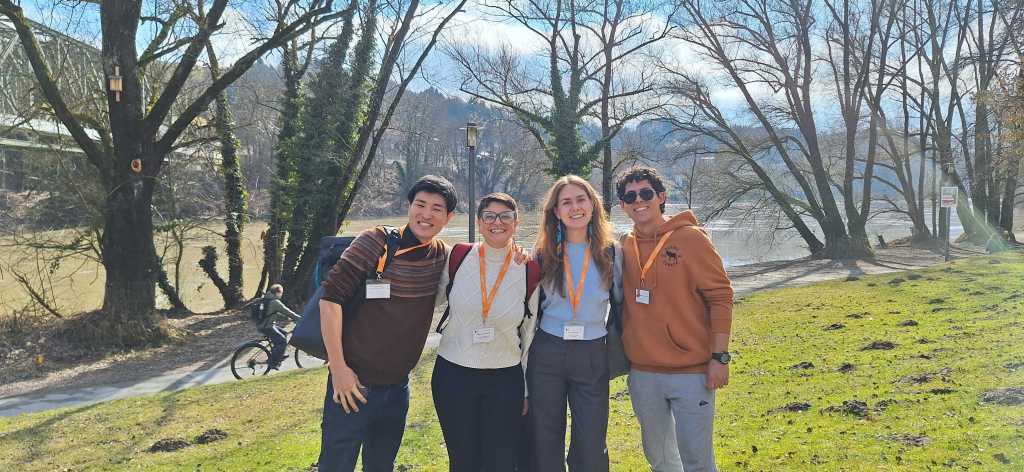
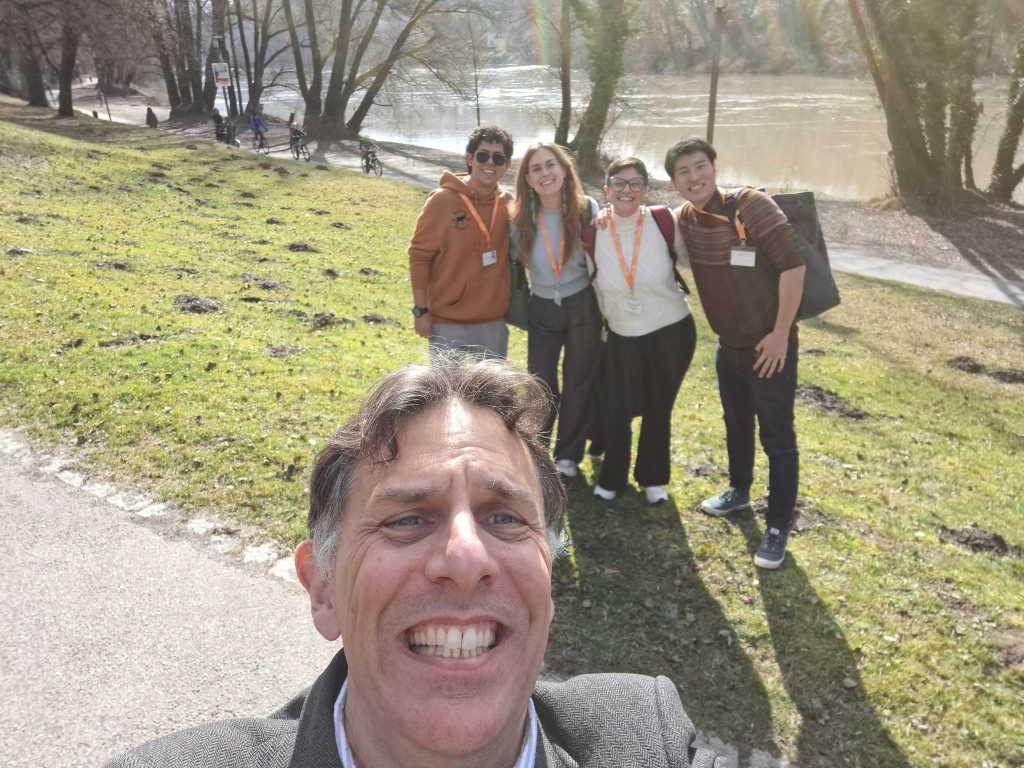
The 9th European Conferenc of Tropical Ecology took place in Passau (Germay) between the 23 and 27 February 2026. The theme of the meeting was “Species-Ecosystems-People” and it brought together around 250 tropical ecology researchers from around the globe to discuss the latest research in the field. The meeting ran very smoothly – credit to Christine Schmitt and her team at the University of Passau – and I enjoyed the conference very much. I followed sessions focused on topics ranging from climate change impacts and change through time, through human-environment interactions, to traits, and recovery and restoration.

It was great to see a good contingent of tropical palaeoecologists present. With Rob Marchant (York University) providing a key note spanning past environmental change through to socio-ecological systems, entitled: “Embedding the past for balanced future tropical mountain social ecological systems”. Palaeoecological talks and posters came from around the world, including Bolivia, Cuba, Brazil, Seychelles, and Democratic Republic of Congo. All provided new insights and suggested high potential for revealing novel information about past ecosystems and the drivers of change.

To find out more about the talks check out the abstract booklet which is available via the conference web site: https://gtoe2026-passau.de/book-of-abstracts.html

Hugo de Vries prize 2025

December 16, 2025
WDG

The annual PhD thesis prize from the Koninklijk Nederlandse Botanische Vereniging (Royal Dutch Botanical Association) is now open. The prize of EURO 5000 will be awarded to the best PhD thesis defended between January and December 2025 at a Dutch university. The subject matter of the thesis is broadly defined within the field of botany, and includs topics such as taxonomy, (palaeo- / macro-) ecology, and cell biology.

For details of past winners, and how to nominate someone for this years prize visit:
https://www.knbv.eu/hugo-de-vries-prijs/

The winner of the prize last year was one of our blog contributors, Nina Witteveen, read about her thesis and award here.

Vegetation and climate dynamics in a 16,600-year marine sequence offshore Mozambique in Delagoa Bight, south-eastern Africa

September 8, 2025
WDG

Mapping Ancient Africa Quaternary International special issue article #8

Open access:

Neumann, F. H., Finch, J., Hahn, A., Miller, C. S., Scott, L., Schefuß, E., Dupont, L., Cawthra, H. C., & Engelbrecht, F. (2025). Vegetation and climate dynamics in a 16,600-year marine sequence offshore Mozambique in Delagoa Bight, south-eastern Africa. Quaternary International, 747, 109956. DOI: 10.1016/j.quaint.2025.109956

To find the complete list of articles in the Mapping Ancient Africa special issue of Quaternary International click here.

A multi-model approach to the spatial and temporal characterization of the African Humid Period

July 25, 2025
WDG

Mapping Ancient Africa Quaternary International special issue article #7

Open access:

Gosling, W.D., Chevalier, M., Fischer, M.L., Holewijn, M., Finch, J., Gil-Romera, G., Hill, T., Houngnon, A., Leonardi, M., Manica, A., & Kaboth-Bahr, S. (2025). A multi-model approach to the spatial and temporal characterization of the African Humid Period. Quaternary International 744, 109933. https://doi.org/10.1016/j.quaint.2025.109933

Gosling, W.D., Chevalier, M., Lothar Fischer, M., Holewijn, M., Finch, J. M., Gil-Romera, G., Hill, T. R., Houngnon, A., Leonardi, M., Manica, A., & Kaboth-Bahr, S. (2025). Code from: A multi-model approach to the spatial and temporal characterization of the African Humid Period. Figshare. https://doi.org/10.6084/M9.FIGSHARE.29608400.V1

To find the complete list of articles in the Mapping Ancient Africa special issue of Quaternary International click here.

Hugo de Vries Prijs winner!

June 18, 2025
WDG

Ecology of the Past blog contributor Nina Witteveen was awarded the Hugo de Vries prize on 13 June 2025 at the Botanic Gardens in Nijmegen. The Hugo de Vries prize is awarded by the KNbv (Royal Dutch Botanical Society) and the Stichting Hugo de Vries fonds (Hugo de Vries foundation) for the best PhD thesis in Botany defended at a Dutch University. This years prize was awarded to Nina for her thesis “Long-term Forest Recovery in Amazonia: Insights from Phytolith Analysis” (University of Amsterdam) which was completed under the supervision of Crystal McMichael.

After much debate the jury decided to award two first prizes this year, with the other prize also going to a tropical PhD thesis. That of Tomonari Matsuo for his thesis “Drivers and mechanisms of tropical secondary forest succession” (Wageningen University & Research).

To find out more about the prize and how to submit a thesis for the award visit: https://www.knbv.eu/hugo-de-vries-prijs/

Follow Nina’s journey into tropical palaeoecology through her blog posts here: https://ecologyofthepast.info/?s=nina+witteveen

Nina presenting here PhD thesis at the prize giving of the Hugo de Vries award 2025!

Blog at WordPress.com.