MSc Earth Sciences: Peru field course 2026

July 6, 2026
WDG

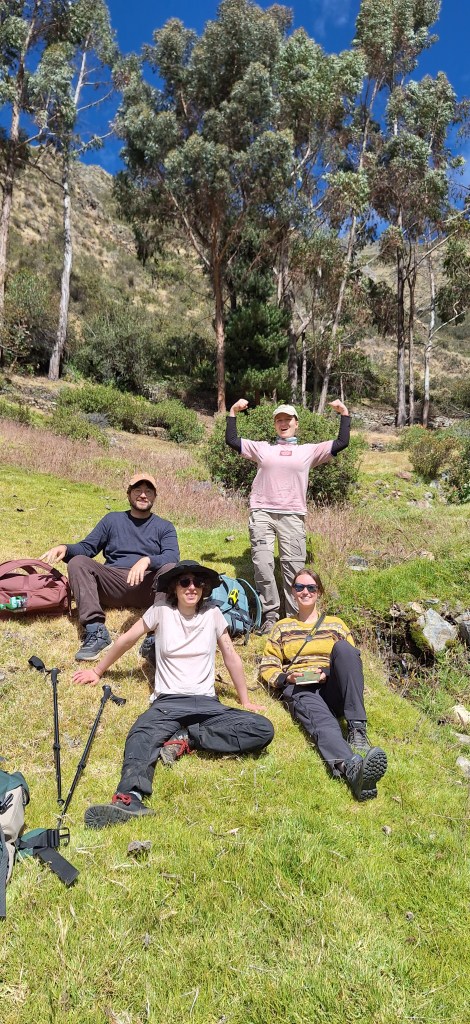
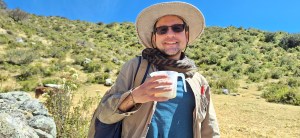
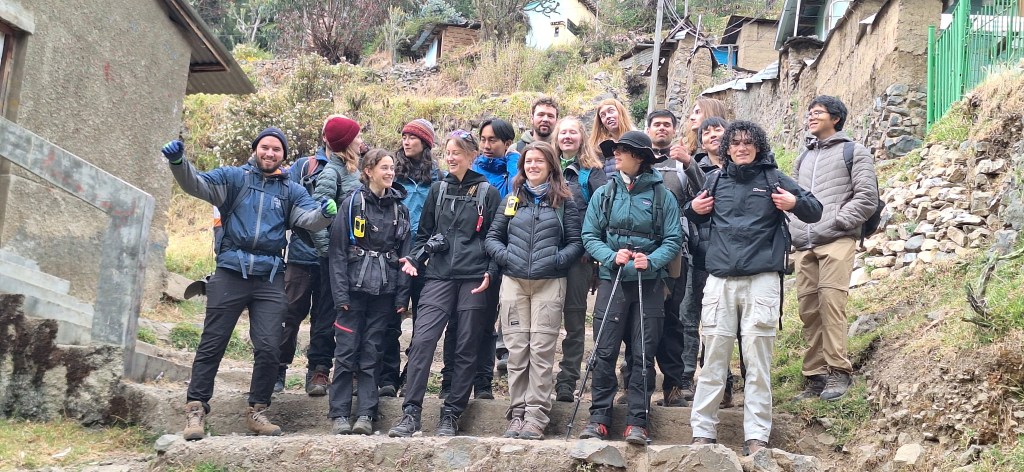
As part of the University of Amsterdam (UvA) MSc Earth Sciences we run the course “Field Course Geoecological Systems”. In 2026 we returned to the village of Miraflores in the Lima province of Peru. Partnering with the Institiuto de Montanya (Mountain Institute) in Lima students spent four weeks engaged in participatory research with the Miraflores community. The integration of students within the community was made possible by the work of Mirella Gallardo and Rafa Schmitt.

In this year’s iteration of the course, we had groups of students working on four different topics: (i) water quality, (ii) soil carbon stocks, (iii) microbes and carbon in agricultural soils, and (iv) cultural heritage. The topics of the project were established in advance in consultation of the Mountain Institute and refined during a Town Hall meeting with the Miraflores residents during the first days of the visit.

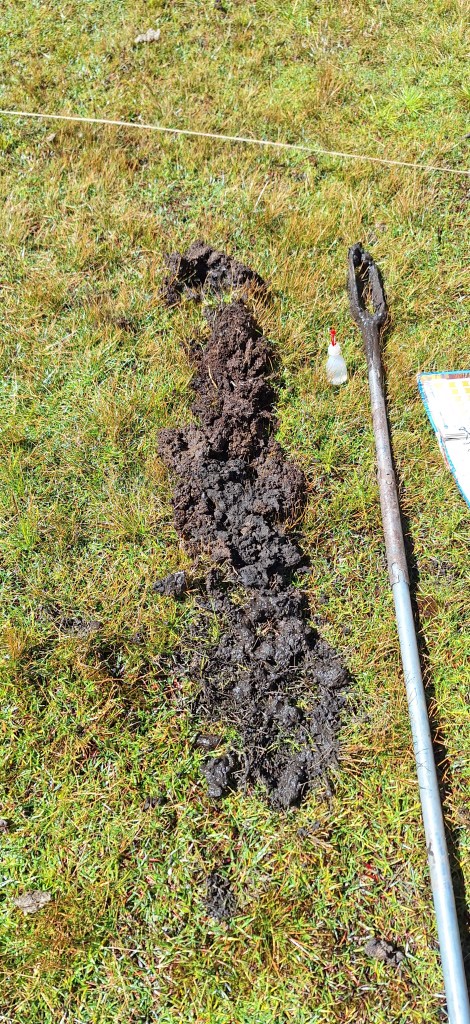
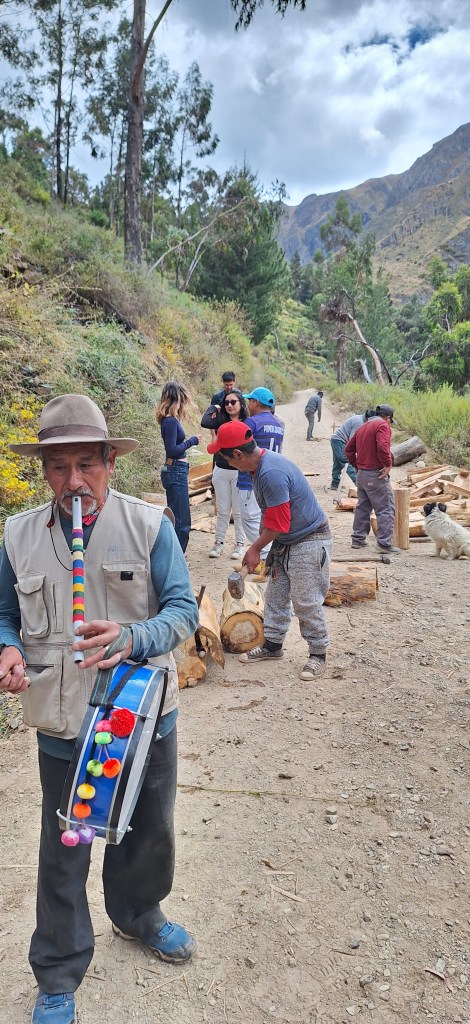
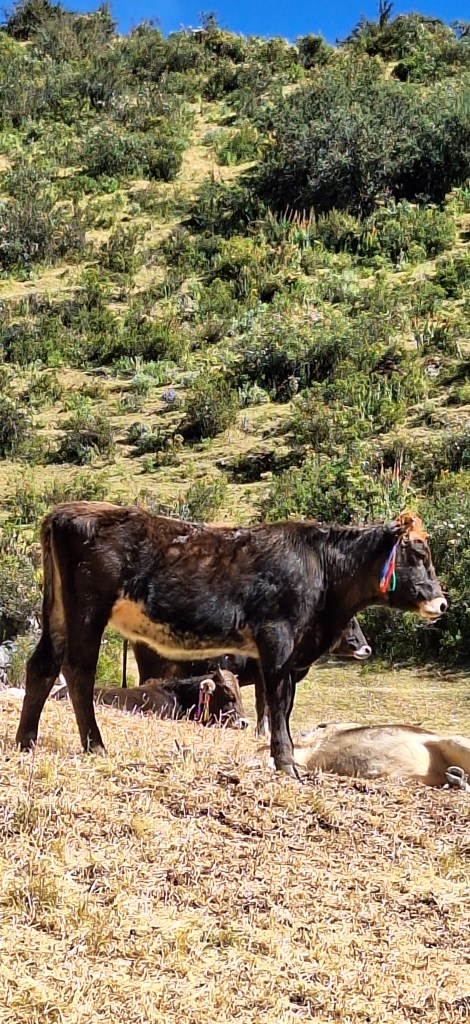
Through the four weeks of the field work students learnt how to classify soil types, monitor water quality, and read the landscapes geology and geomorphology. Traversing the rugged Andean landscape from our base at c. 3600 meters above sea level up to peaks above 4000 meters. The students also worked with the Miraflores residents to discover their perception and knowledge of the landscape. Following the visits students conducted further analysis of water and soils back in the laboratories at the UvA. Once this work is complete all results will be compiled into a report, in English and Spanish, that will be distributed to participants.
This is the third time this field course has visited Miraflores and this year we were proud to present fliers detailing the key finds of previous years investigation to the community. We would like to thank the community of Miraflores for their continued kind welcome and partnership, and the Yauyos-Cochas National Park for their permission and support to work within this area.

Want to join us for a future expedition? Click here to check out our degree program here to enrol.
Read about past field courses in Peru:
Mapping Ancient Africa: Research & writing workshop

March 6, 2026
WDG

The third Mapping Ancient Africa (MAA) workshop took place in South Africa during March 2026. This workshop was supported by the International Union for Quaternary Research as part of the MAA multi-year project. The aim of this work shop was to provide specialist training in developing research projects and writing of scientific articles. During the workshop each participant developed, and progressed, their own personal work plan. These personal programs allowed the training to be tailored to the participants needs. They included a wide range of challenged ranging from the development of project ideas through to dealing with reviewer comments on manuscripts, and inclusivity, equality and diversity issues.

In addition to the academic program, social activities and excursions were designed to help build academic networks and promote informal discussion of past environmental change issues. These included hikes to the Holley Shelter archaeological site (Bader & Conrad, 2023) and Game Pass shelter rock art site (Hoerle, 2005).

Continue Reading

Mapping Ancient Africa: Scientists

August 14, 2024
WDG

During the Mapping Ancient Africa writing workshop in Kenya (3-6 June 2024) Stefanie Kaboth-Bahr conducted a series of short interviews with the scientists attending. In this, final, instalment of the interviews the thoughts of the instructors on the course are presented. Watch all the Mapping Ancient Africa videos on the Mapping Ancient Africa YouTube Playlist.

The instructors

Bruk Lemma (Free University of Berlin, Germany)

Rahab Kinyanjui (National Museums of Kenya, Kenya & Max Plank Institute for Geoanthropology, Germany)

Continue Reading

Mapping Ancient Africa: Scientists

August 13, 2024
WDG

During the Mapping Ancient Africa writing workshop in Kenya (3-6 June 2024) Stefanie Kaboth-Bahr conducted a series of short interviews with the scientists attending. Below you can find part 2 (of 2) of the interviews with the participants in the workshop. Watch the videos to find out their scientific stories and top tips for academic writing. Watch all the Mapping Ancient Africa videos on the Mapping Ancient Africa YouTube Playlist.

The participants (part 2 of 2)

Ruth Kiely (University of Amsterdam, Netherlands)

Husna Mashaka (Arizona State University, USA & National Museums of Kenya, Kenya)

Continue Reading

Mapping Ancient Africa: Scientists

August 12, 2024
WDG

During the Mapping Ancient Africa writing workshop in Kenya (3-6 June 2024) Stefanie Kaboth-Bahr conducted a series of short interviews with the scientists attending. During the interviews she asked the participants and instructors to describe their scientific background, what had motivated them to take part in the writing workshop, and what they thought the most important thing they had gained from it. You can now meet the first four of these scientists now by watching the videos below, or catch up with all the latest videos on the Mapping Ancient Africa YouTube Playlist.

The participants (part 1 of 2)

Olugbenga Boboye (University of Ibadan, Nigeria)

Angela Effiom (University of the Witwatersrand, South Africa)

Continue Reading

Mapping Ancient Africa: Writing workshop

June 5, 2024
WDG

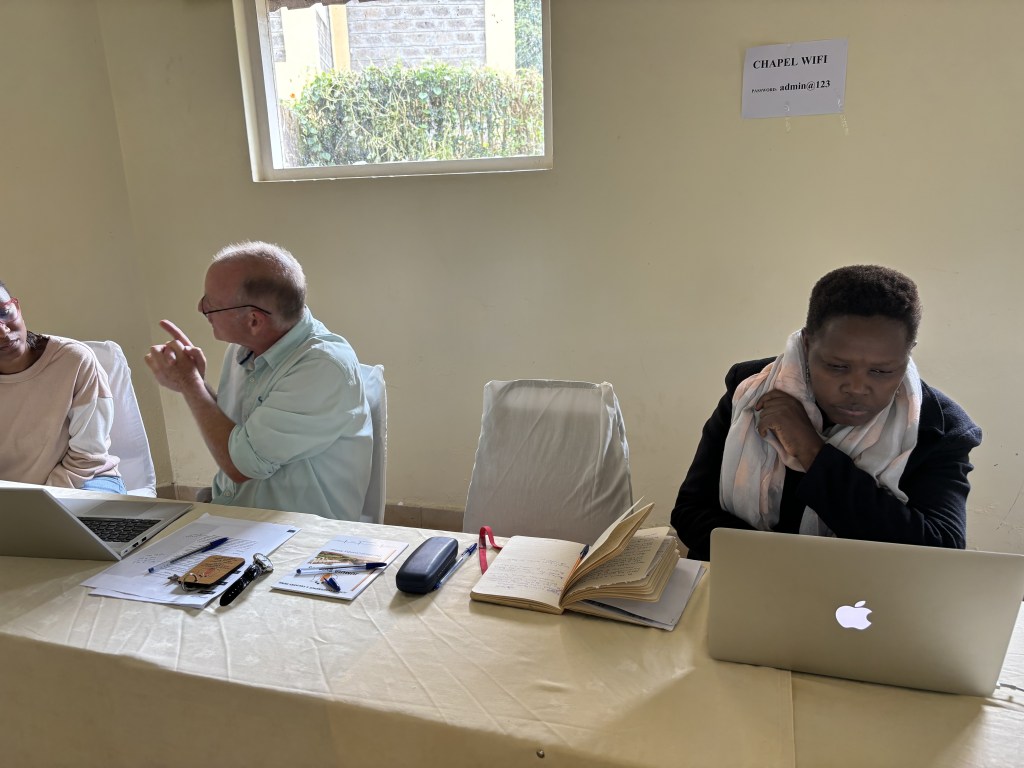
The Mapping Ancient Africa (MAA) writing workshop is currently in full swing in Kenya. Running from 3 June until the 6 June 2024 a diverse range of skills related to academic publishing is being delivered by our international team, including: structuring a scientific article, managing references and revision strategies. There is also plenty of time set aside for writing and getting feedback from more experienced academic writers. The manuscripts being developed at the workshop are being designed to be submitted to the MAA special issue of Quaternary International.

Scientific writing in action:

Continue Reading

Mapping Ancient Africa: Structuring a scientific article

December 19, 2023
WDG

INQUAlogo

The Mapping Ancient Africa (MAA) project is currently (late 2023 until early 2024) in the process of collecting submissions for a special issue of the INQUA (our sponsors) journal Quaternary International. The special issue will showcase research developed at the MAA workshop in Rome, and presented at the MAA sessions at the INQUA Rome congress. However, the editorial team is open to considering manuscripts relevant to the MAA goals that come from people not already involved in the project – so please contact us if you have ideas.

The process of developing articles for the special issue will be supported by the MAA community through a series of events. The first of these was a online workshop (2 October 2023) set out the frame of reference for the special issue, and included a short presentation on tips for structing a scientific article for this journal. If you missed the event and are thinking about writing an article for the special issue, or in a similar style, you can catch up with this on the Ecology of the Past YouTube channel. In person writing workshops are planned for 2024 in Africa. As full details emerge information will be published here.

Collated here is a series of blog posts which provide recommended software for biological scientists, which I compiled mostly for my Masters-level module in Research Presentation Skills. It may be …

Source: Software tools

Blog at WordPress.com.