Departing from Hull

May 11, 2026
WDG

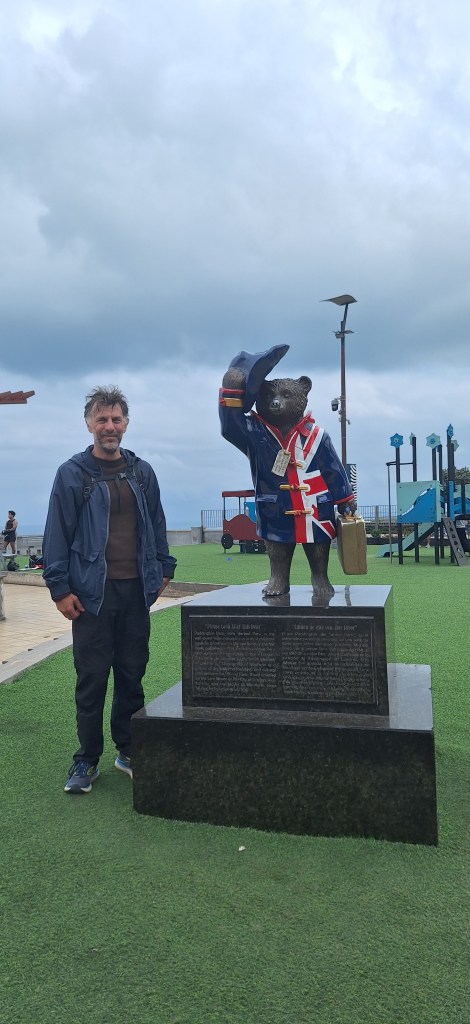
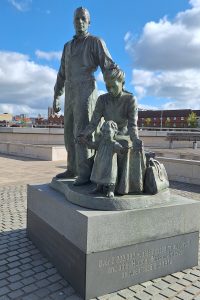
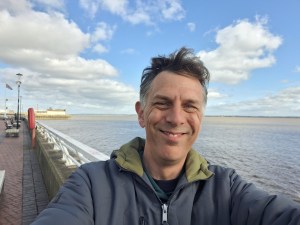
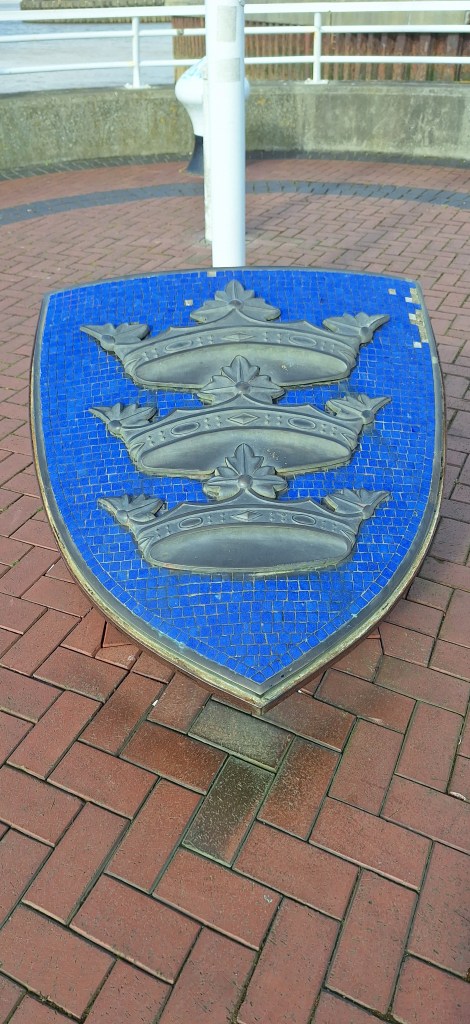
Hull was a departure point for many people across the sea, and also a departure point for me in my life and academic career!

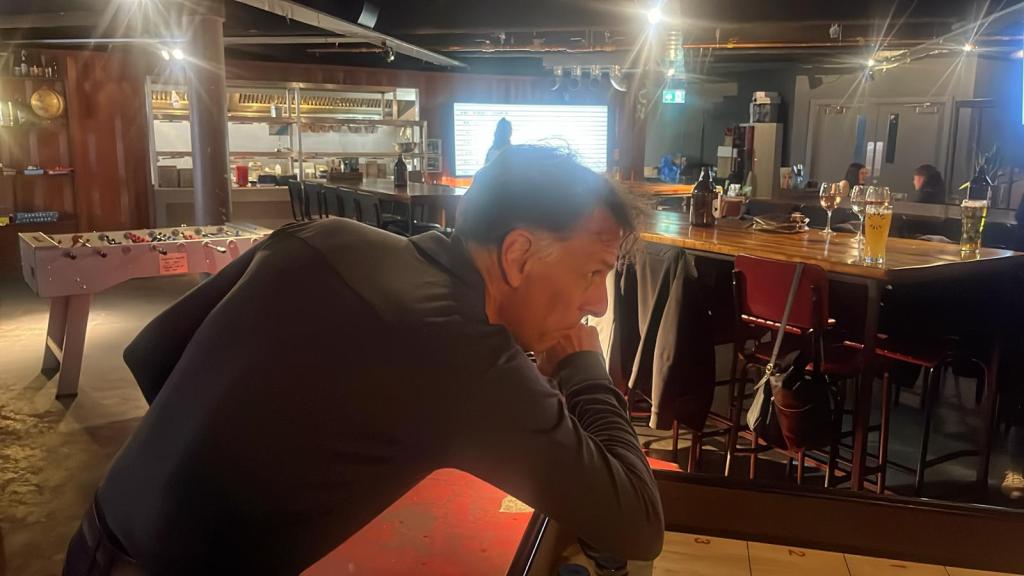
Last weekend I returned to Hull to catch up with friends from my undergraduate days for the first time in more than 20 years! We were all based at the University of HullFerens Hall” hall of residence for our first year (1995-1996), following this we shared houses in the streets around the university main campus. Over the last twenty years later we have all headed off along different an meandering paths in life, but catching up with everyone felt very normal. A testement to the solid friendships developed during those three years at Hull. The reunion was helped along by some Manchester Bitter and Yorkshire stout (not avaliable on tap in the Netherlands) and some fine locations in the redeveloped Hull marina area.

Whilst at Hull, as well as making friends, I studies for a BSc (Hons) in Physical Geography. During my degree I got my foundations and inspiration for exploring past environmental change from a range of great lecturers, memorably including:

  • Steve Ellis (soil science; and author of the then recently published Ellis & Mellor [1995] text book),
  • Barbara Rumbsy (past river systems; who – if I remember the rumour correctly – left academia to run a tea shop in the Lake District – was this true?),
  • Martyn Pedley (sedimentology; double carbonate sedimentology on a Friday afternoon was typically punctuated by a swift trip to the Student Union bar [but we always went back]),
  • James Brasington (hydrology; who I remember running after down a crowded corridor for some reason long forgotten), and
  • Jane Bunting (palaeoecology; who really set me on my academic path!).

As an undergraduate arriving in Hull in 1995 I could never have imagined that I would be in Amsterdam 30+ years later working as an academic. I hope that, as an academic today, I manage to convey the same energy and enthusiams for my subject as the lecturers I had at Hull did for me. Who knows where my students, staff, or I, will all be 30+ more years time, but I am sure things will change (and wierdly stay the same) just as much as they have (have not) over the last 30 years. I hope that the path is varied and interesting, and that more friendships and progress are made along the way. So on with the adventure…

Continue Reading

Fieldwork in South Africa

April 27, 2026
WDG

By Bouwe Groeneveld (MSc Biological Sciences, track Ecology & Evolution, University of Amsterdam)

From data to reality

Last year, between April and June, I worked on my bachelor project on the fire history of a site in South Africa called Giant’s Castle. From the Netherlands, I analysed sediment cores by counting charcoal fragments and looking at their shape to determine whether they likely came from grass or wood. The results were largely what you would expect in a mountain grassland. Most of the charcoal came from grasses. At the same time, there were clear changes in the composition of the fuel reflected in the charcoal record. I linked the increase in fire activity to the presence of people, and also observed shifts in the types of fuel being burned over time. It felt like slowly unravelling a story from the past. But it also remained abstract. I was working with numbers, figures, and photos of a place I had never actually been to. I had a sense of it, but it did not fully feel real. A year later, I was standing there myself.

From analysis to experience

For my MSc research, I returned to the same system, but this time physically. In the meantime, I had already expanded my earlier work by looking at dung fungal spores, as an indicator for grazing animals, and pollen to reconstruct vegetation dynamics. But to describe vegetation properly, you really have to see it. After a five-day workshop, which I described in a previous blogpost, I spent a weekend at the home of Prof. Trevor Hill and Prof. Jemma Finch. That weekend turned into something like a crash course in South African life. It even included watching their son play a cricket match. What stood out most to me was how much more outdoor-oriented life felt compared to what I am used to in the Netherlands. After that, I was introduced to the University of KwaZulu-Natal in Pietermaritzburg, where I spent three weeks working in the lab. Interesting work, but I had really come for something else. The field.

First fieldwork: Cathedral Peak

Continue Reading

From Writing to Rock Art: A Week at the Mapping Ancient Africa Workshop

March 21, 2026
bouwegroeneveld

By Bouwe Groeneveld (MSc Biological Sciences, track Ecology & Evolution, University of Amsterdam)

From 2 to 6 March, I joined the Mapping Ancient Africa Research and Writing Workshop at Fountainhill Estate near Pietermaritzburg, South Africa. The week brought together focused writing, interdisciplinary exchange, and time in the landscape.

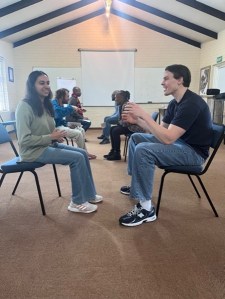
We began with a speed dating session that set an open and collaborative tone. Participants introduced their research backgrounds, ranging from botany and ecology to geography. The group was highly international, with participants from Ghana, Ethiopia, Nigeria, Kenya, South Africa, and the Netherlands. This diversity quickly proved valuable, as different perspectives naturally complemented one another throughout discussions.

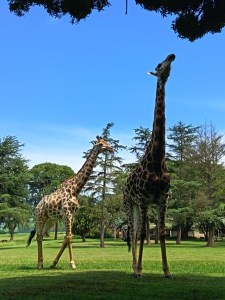
The second day centred on the challenges of academic writing and publishing. Through group conversations and smaller sessions, we reflected on common difficulties such as structuring arguments and navigating the publication process. Later that afternoon, we walked across the estate to the Holley Shelter archaeological site. During the walk, I noticed how the surrounding landscape offered a sense of calm that contrasted with the intensity of writing. Along the way, we encountered a giraffe standing only a few metres from us, quietly feeding on acacia leaves.

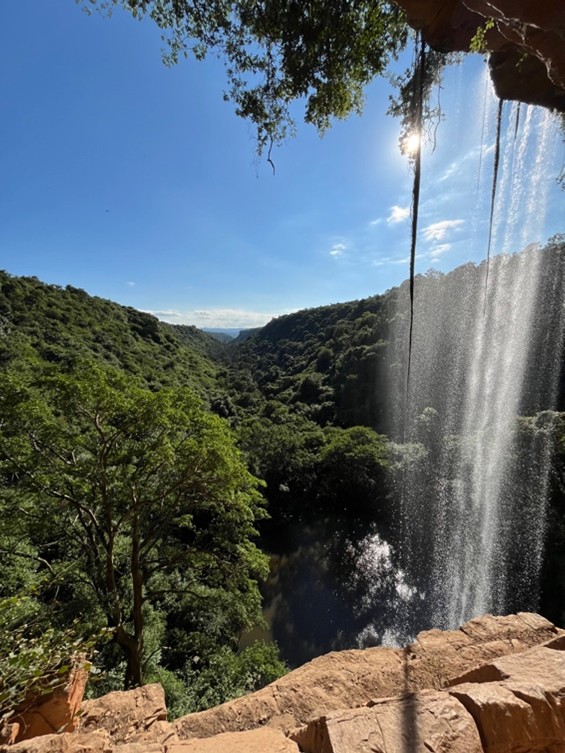
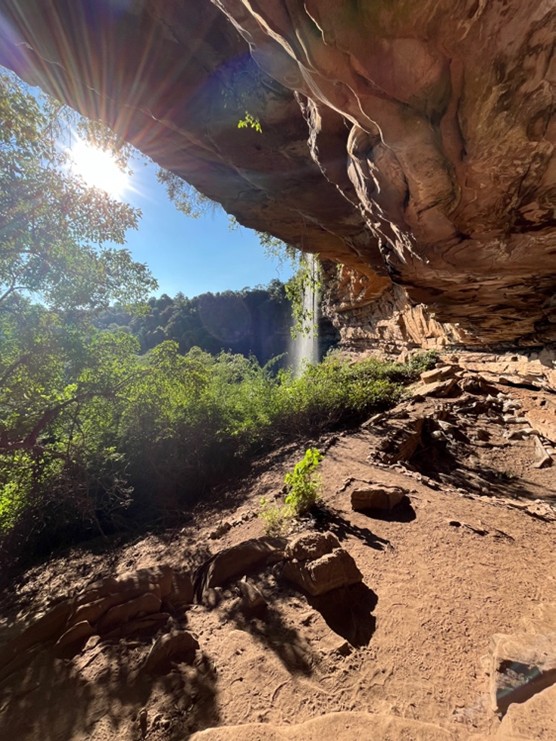
The shelter itself was striking. A clear waterfall flowed down the rock face, catching the sunlight as it filtered into the green valley below. The interplay of water, rock, and light created a remarkably beautiful and tranquil setting, making the site feel both impressive and deeply serene.

Continue Reading

Fieldwork in the Drakensberg

December 11, 2024
WDG

South African research trip (part 3 of 3)

by Jelle Kraak

As part of my MSc Biological Sciences research project at the University of Amsterdam I  travelled to Africa, where I first presented the early findings of my research at the SASQUA congress (blog post 1) in Oudtshoorn (Western cape), before heading to the University of Kwa-Zulu Natal (blog post 2). Here I met up with local experts and prepared for the upcoming fieldwork, which the previous parts of this blog series covered. Now, the time has come for the final and best part, about my fieldwork in the absolutely gorgeous Drakensberg mountains.

Aims: As the samples for my research had already been collected earlier by my supervisors Prof. Dr. Jemma Finch & Prof. Dr. Trevor Hill for the University of Kwa-Zulu Natal, our initial goal was to collect various samples (charcoal, sediment cores, etc) for the next students. During my time at the university of Kwa-Zulu natal, however, we realized that it would be great to collect a bunch of C3 and C4 grass species, to extract phytoliths (amorphous silica particles formed in plant tissues) from, which would help with the interpretation of our data. This then became our new focus. To achieve this goal we visited the Drakensberg twice, one day trip in the weekend, and one trip with an overnight stay.

Day 1

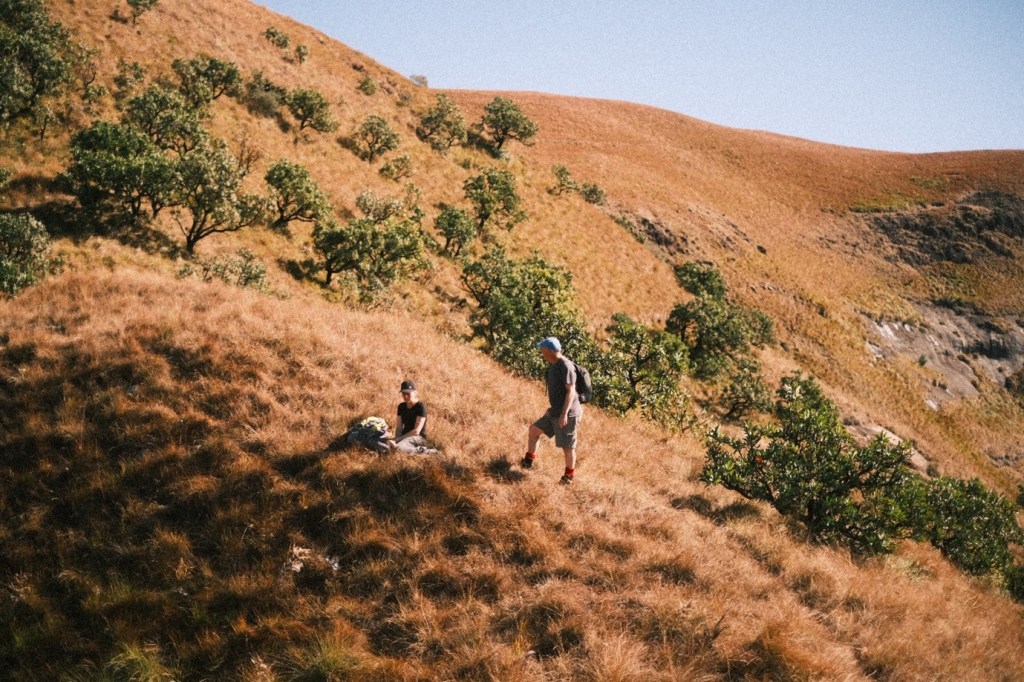
After a night of utterly terrible sleep (I was alone on the AirBnB property, the gate did not lock due to the cold, and our dogs started barking at something (someone!?) at 2AM), I woke up at 6AM to get ready for the long day ahead of us. Jemma came to pick me up at the, bringing coffee with her, which I really appreciated. We then picked up Trevor at their place and began our drive towards the mountains.  I had not seen much of the landscape in the Kwa-Zulu Natal province, which turned out to be very compared to the Western Cape. Whereas the western cape had fynbos vegetation (very similar to the Mediterranean, KZN was more savanna like. There was grass everywhere the eye could see, except for the patches of spruce, planted by humans. Halfway through the drive the Drakensberg mountains came into view, which was stunning. We then drove through some small villages, until we finally arrived at the Berg.

Continue Reading

Past environments of the Veluwe

October 20, 2024
WDG

On the 17 and 18 October 2024 the Palynologische Kring (Dutch Palynological Society) held a seminar afternoon and excursion near Apeldoorn in the Netherlands.

During the seminar afternoon (17 October) we heard four talks. The first from Harm Smeenge and Ariët Kieskamp (both Bosgroep) introduced the sites we were to visit on the excursion the next day. This focused on the landscape ecology and ecological history of the bogs on the eastern slopes of the Veluwe. The second talk, by Roy van Beek (Wageningen University & Research), focused on the Celtic field systems around the Veluwe. He explained the latest archaeological and archaeobotaincal work investigating the age and origins of these field systems. The third presentation was by Jasper Candel (Wageningen University & Research) and focused on the geomorphological features from glacial activity in the Veluwe region and how this has effected the development of mire ecosystems. I (William Gosling) gave the final talk, presenting the outputs of the research theses of Sanna Wessel, Chiara Raino and Roos Dik who all completed projects at the University of Amsterdam and worked together to investigate how different mega-herbivore populations in the Dutch landscape were represented by the dung fungal spores preserved in the soil.

Continue Reading

Mapping Ancient Africa: Collaboration opportunity

July 26, 2024
WDG

COLLABORATION OPPORTUNITY: The TIP-TOP project, funded through the Dutch Research Council (NWO) and awarded to Rick Hennekam at the NIOZ Royal Netherlands Institute for Sea Research (NIOZ), is running from 2024-2029 and aims to use sediments accumulated in front of North African rivers to study environmental tipping points in North Africa. Specifically, the project focuses on available sediments from the Nile River delta, a now-dormant river system in Libya, as well as material from in front of the Senegal and Gambia rivers that will be acquired during a cruise early 2025. A multidisciplinary group of scientists is collaborating within this project, including scientists from NIOZ, GFZ Potsdam, ETH Zürich, Wageningen University, and the Utrecht University, using especially (in)organic and palynological proxies. Yet, we are keen to start new collaborations, especially with scientists based in northwest Africa. Potentially we could aim for the INQUA Fellowship Program For International Mobility (deadline 15 of September, 2024) for someone to gain international experience at one of the involved institutes for the duration of 3–6 months. If you are interested to link up with Rick please join the seminar to speak with him, or contact him directly. Note that participation in the 2025 expedition to the coasts of Gambia, Senegal, and Mauritania can be discussed too, but available places are very limited.

This video was recorded after the 19th online Mapping Ancient Africa seminar given by Solène Boisard, to watch her seminar on the past climate of north-western Africa and others in the series click here. To find out more about the Mapping Ancient Africa project click here.

INQUAlogo

Mapping Ancient Africa: INQUA congress support

October 4, 2022
WDG

The Mapping Ancient Africa (MAA) project is offering five bursaries to help African based and/or early career researchers^ attend the up coming INQUA Rome congress. Each bursary will around Euro 1000 and should be used towards covering the cost of registration, accommodation and/or travel for the congress.

Application criteria:

  • Abstract submitted to INQUA Rome congress either to the Mapping Ancient Africa session, or to another session on a related topic (Deadline 1 November 2022).
  • Commitment to contributing an article for consideration to be published in the proposed MAA special issue of Quaternary International; for frame of references of the MAA project click here.

To apply submit the following information via emails to William Gosling as the corresponding Principle Investigator of the project. Applications should be clearly marked MAA-Application-YourName in the subject line:

  • Evidence of submission of an abstract to the INQUA Rome congress (copy of confirmation email and abstract).
  • Letter of motivation, including fit of the proposed article to the MAA aims and goals and statement of commitment to submit an article for consideration to be published in the Mapping Ancient Africa special issue of Quaternary International^^ (not more than 1 page)
  • Short academic CV, including highlight of up to 5 published articles indicating the scientific importance and your role in the publication (not more than 2 pages).

In the event of more applications being received than funding is available awards will be made by the MAA team (PIs and co-PIs) on the basis of the fit of the research to the MAA aims and goals. To receive funding receipts for all the expenses incurred will need to be provided (following INQUA regulations).

Deadline for application: 7 November 2022

Announcement of funding: 14 November 2022

INQUAlogo

^ following definition for Early Career Researchers (ECR) or Developing Country Researchers (DCR) provided by INQUA.

^^ please note that no guarantee of final publication is given or implied by this commitment. All submitted manuscripts will be subject to the usual rigorous peer review procedures for the journal.

BES grant round open!

August 3, 2021
WDG

The British Ecological Society (BES) has just opened a new call for applications to its Outreach, Ecologists in Africa, Small Research Projects, Large Research Projects and Travel & Training grants. To find out how to apply visit: https://www.britishecologicalsociety.org/funding/research-grants/

DEADLINE: Friday 10 September 2021

Blog at WordPress.com.