Departing from Hull

May 11, 2026
WDG

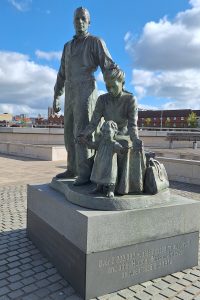
Hull was a departure point for many people across the sea, and also a departure point for me in my life and academic career!

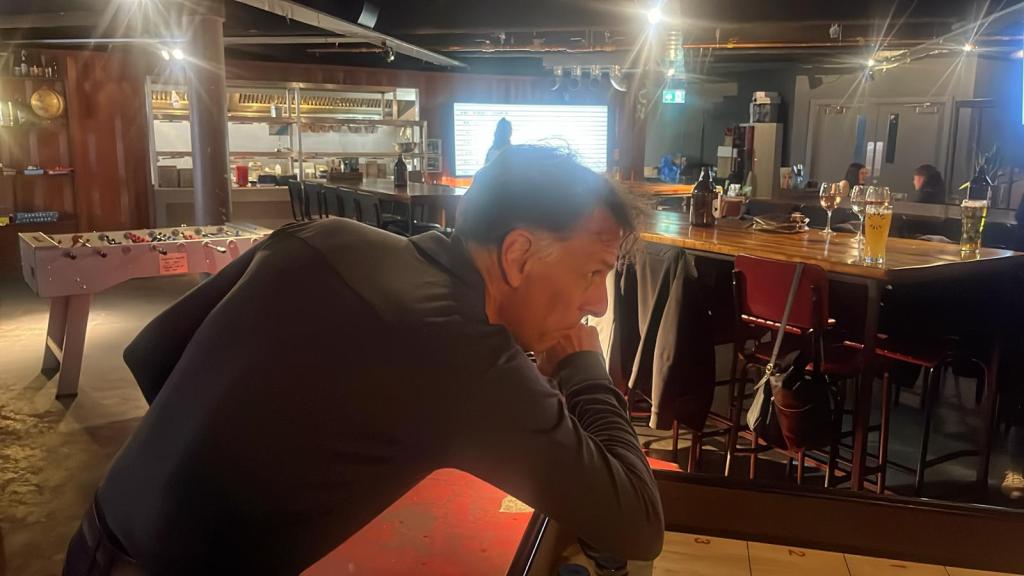
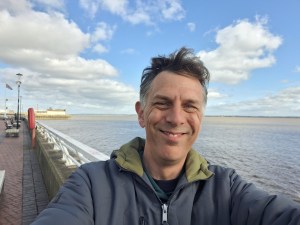
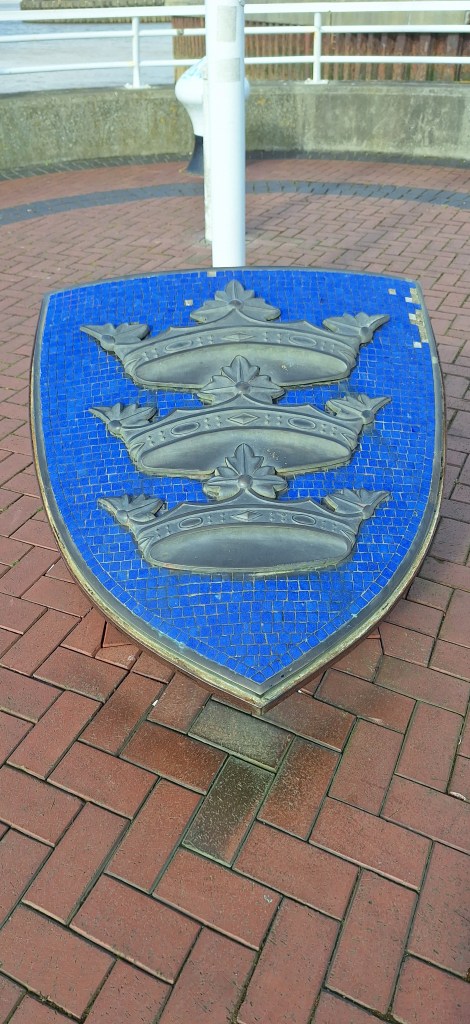
Last weekend I returned to Hull to catch up with friends from my undergraduate days for the first time in more than 20 years! We were all based at the University of HullFerens Hall” hall of residence for our first year (1995-1996), following this we shared houses in the streets around the university main campus. Over the last twenty years later we have all headed off along different an meandering paths in life, but catching up with everyone felt very normal. A testement to the solid friendships developed during those three years at Hull. The reunion was helped along by some Manchester Bitter and Yorkshire stout (not avaliable on tap in the Netherlands) and some fine locations in the redeveloped Hull marina area.

Whilst at Hull, as well as making friends, I studies for a BSc (Hons) in Physical Geography. During my degree I got my foundations and inspiration for exploring past environmental change from a range of great lecturers, memorably including:

  • Steve Ellis (soil science; and author of the then recently published Ellis & Mellor [1995] text book),
  • Barbara Rumbsy (past river systems; who – if I remember the rumour correctly – left academia to run a tea shop in the Lake District – was this true?),
  • Martyn Pedley (sedimentology; double carbonate sedimentology on a Friday afternoon was typically punctuated by a swift trip to the Student Union bar [but we always went back]),
  • James Brasington (hydrology; who I remember running after down a crowded corridor for some reason long forgotten), and
  • Jane Bunting (palaeoecology; who really set me on my academic path!).

As an undergraduate arriving in Hull in 1995 I could never have imagined that I would be in Amsterdam 30+ years later working as an academic. I hope that, as an academic today, I manage to convey the same energy and enthusiams for my subject as the lecturers I had at Hull did for me. Who knows where my students, staff, or I, will all be 30+ more years time, but I am sure things will change (and wierdly stay the same) just as much as they have (have not) over the last 30 years. I hope that the path is varied and interesting, and that more friendships and progress are made along the way. So on with the adventure…
Continue Reading

Palynologishe Kring: Seminar day (May 2022)

June 15, 2022
WDG

On the 19 May the Palynologische Kring (Dutch palynological society) held a hybrid seminar meeting under the theme “Dutch palynologists then and now”.

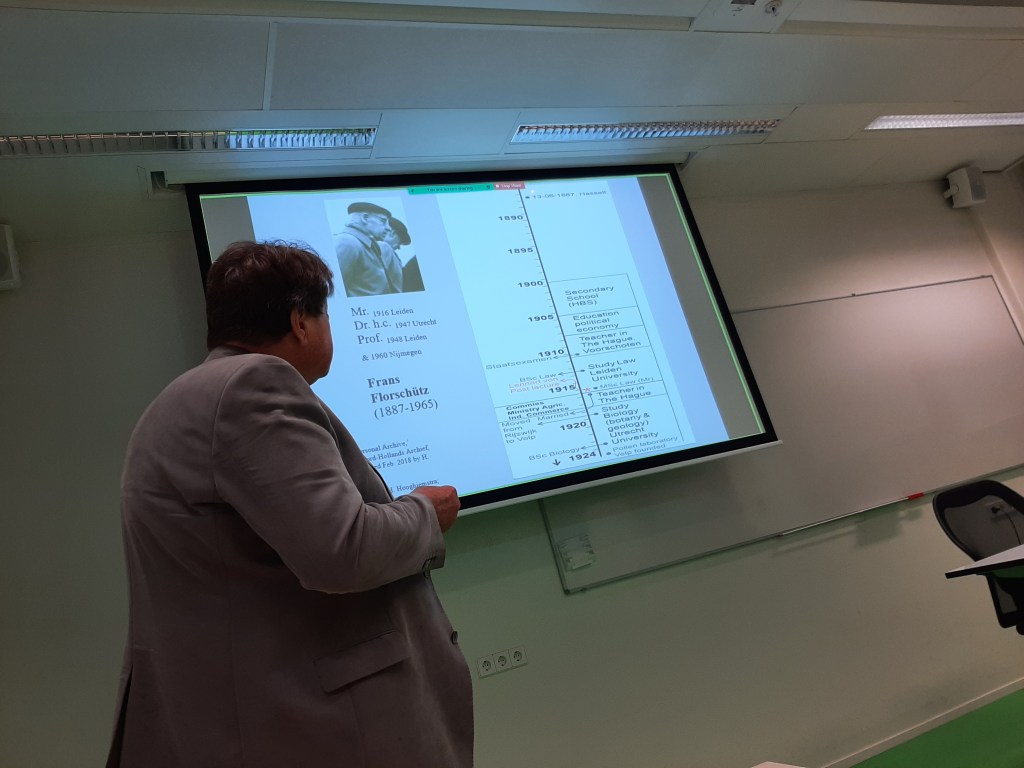
The meeting was opened by Prof. dr. Henry Hooghiemstra (University of Amsterdam) who focused on the “then” and presented a biopic of pioneering Dutch palynologist Frans Florschütz. Florschütz became one of the major figures in establishing palynology within the Netherlands during the 1900s. Originally, he studied political economy and law, but went on to become the Secretary to the Board of Governors of the Agricultural School in Wageningen. From his position in Wageningen Florschütz had a base to develop his interests in palynology and past environmental change. He started work on the seminar work “Nederland in Ijstijd” (The Netherlands in the Ice Age) in 1939 and it was published in 1950. During his career Florschütz also held positions at Utrecht University (obtaining his doctorate), University of Leiden (endowed chair, until 1958) and University of Nijmegen (post retirement). Click here for further information on Frans Florschütz visit.

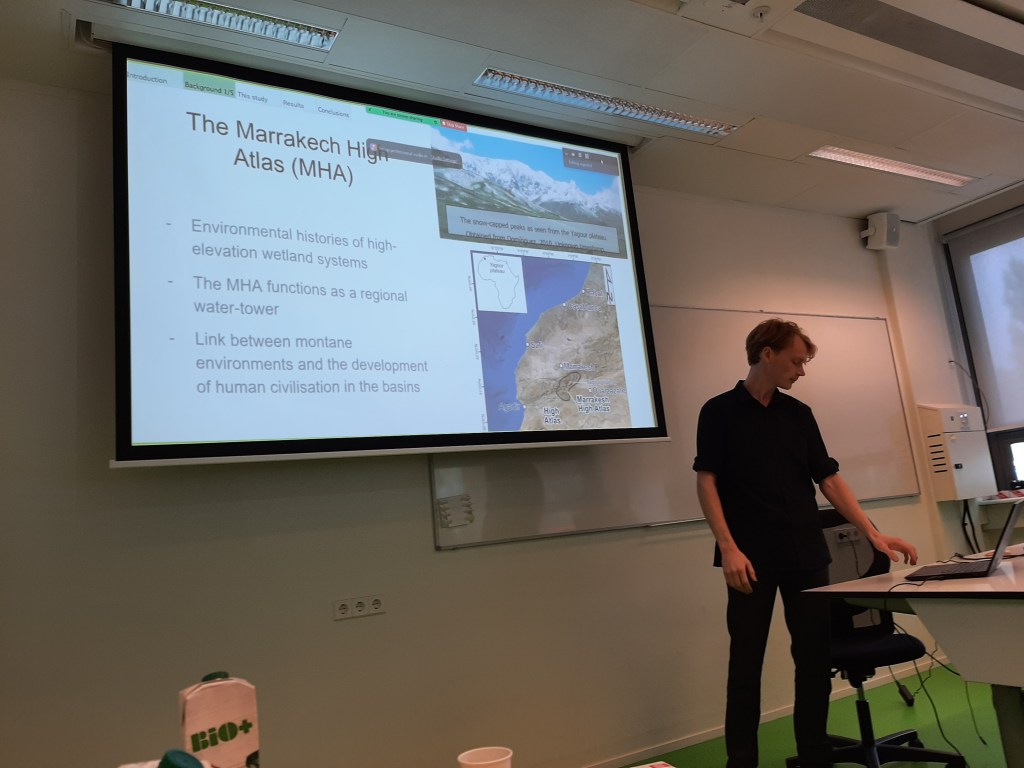
The second part of the meeting focused on the “now” with presentations form three Dutch researchers engaged in research abroad. First up with Eric de Boer (Universidad de Granada, Spain), then Thya van den Berg (University of Hull, UK), and finally Henk Cornelissen (University of Manchester, UK). Eric presented new data on the human and climate impacts on the Iberian Peninsula. Thya presented her work in two parts focused on the new datasets on past environmental change from Yorkshire (UK) and then the development of modelling approached to estimate landscape cover on the basis of pollen datasets. Henk took us to the high atlas of Morocco and showed how pollen and chemical data can be integrated to reveal past human presence and impacts.

The next scheduled event will be in the annual excursion which this year will be to Leiden. For further details and to find out more about the Palynologische Kring visit the web pages here.

Blog at WordPress.com.