To study the palaeo-environmental record of the Andean cloud forest, sediment cores were taken from the recently discovered Erazo lake. In mixed conditions of blazing sun and pouring rain, 14 researchers, one bus driver and several Ecuadorian guides hauled what felt like a ton of equipment up to the lake 2,300 m asl. In the centre of the lake, a wooden coring platform was mounted between two boats securely anchored at three positions. Using a modified Livingston corer with a drop hammer, five cores were successfully recovered from the lake up to a maximum depth of two metres. The main challenge encountered was the stability of the platform which resulted in several complications limiting the number of cores…
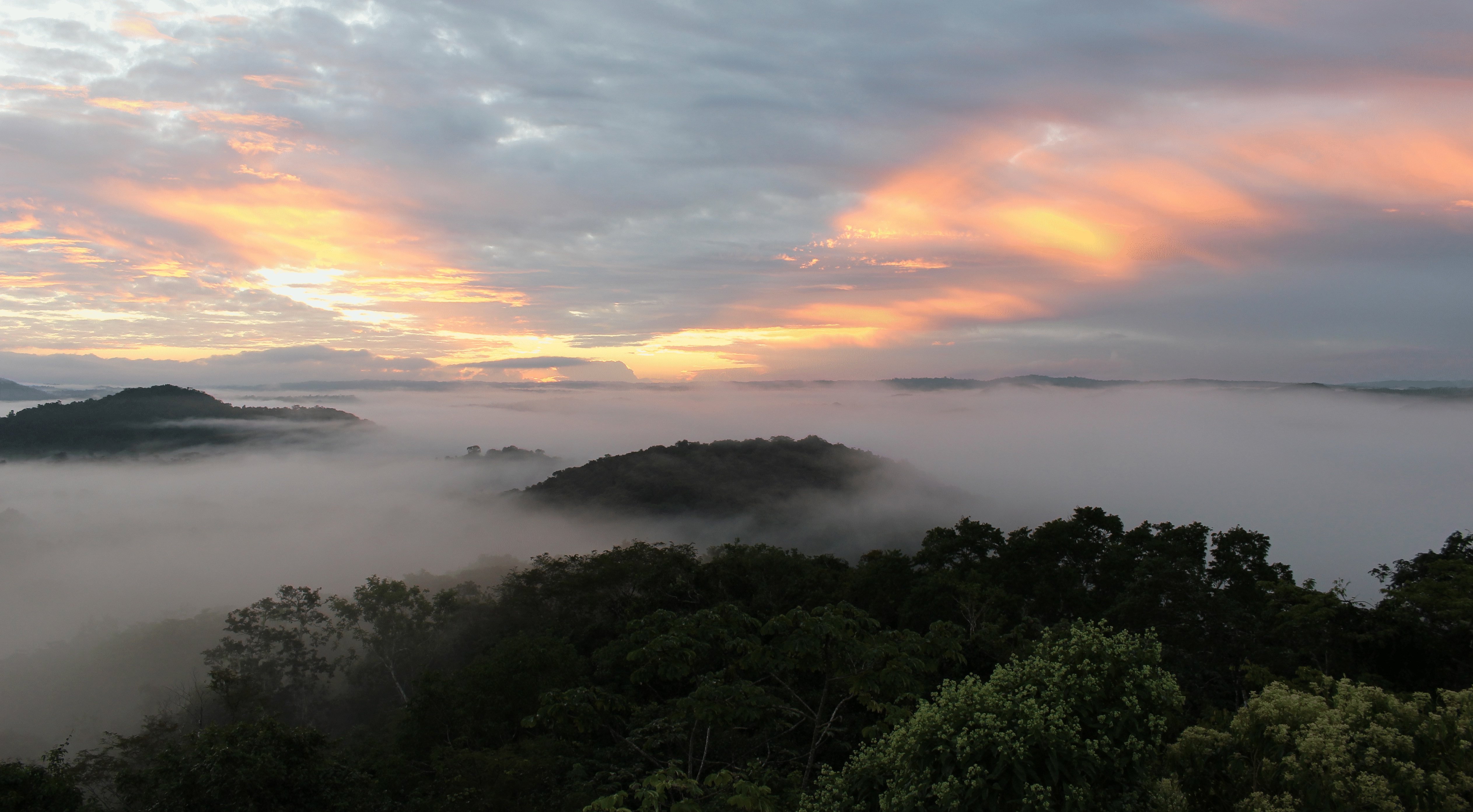
Figure 1: Las Cueavs Forest Reseach Station (Photograph by Anna Turbelin)
As mentioned in my last postI have recently returned from a 2 week field course in tropical botany run by the Royal Botanic Garden Edinburgh (RBGE) in conjunction with their MSc course on the ‘Biodiversity and Taxonomy of Plants’. The field course allowed for 10 NERC funded PhD students in relevant fields to accompany the MSc students out to Belize to learn a host of valuable skills in tropical botany and ecology.
Getting back to the UK after fieldwork is always jarring and this time is certainly no different, the change from 32°C days walking through the savanna and lowland forests of Belize to the -2°C early mornings walking through snow in Milton Keynes is an abrupt transition. I have recently returned from a 2 week field course in tropical botany run by the Royal Botanic Garden Edinburgh (RBGE) in conjunction with their MSc course on the ‘Biodiversity and Taxonomy of Plants’. The field course allowed for 10 NERC funded PhD students in relevant fields to accompany the MSc students out to Belize to learn a host of valuable skills in tropical botany and ecology. During our time in Belize we visited 2 main locations, Las Cuevas Research Station within the Chiquibul forest reserve and the Rio Bravo Conservation and Management Area (RBCMA), in my next two posts I will briefly cover the places we visited and the botany we learned.
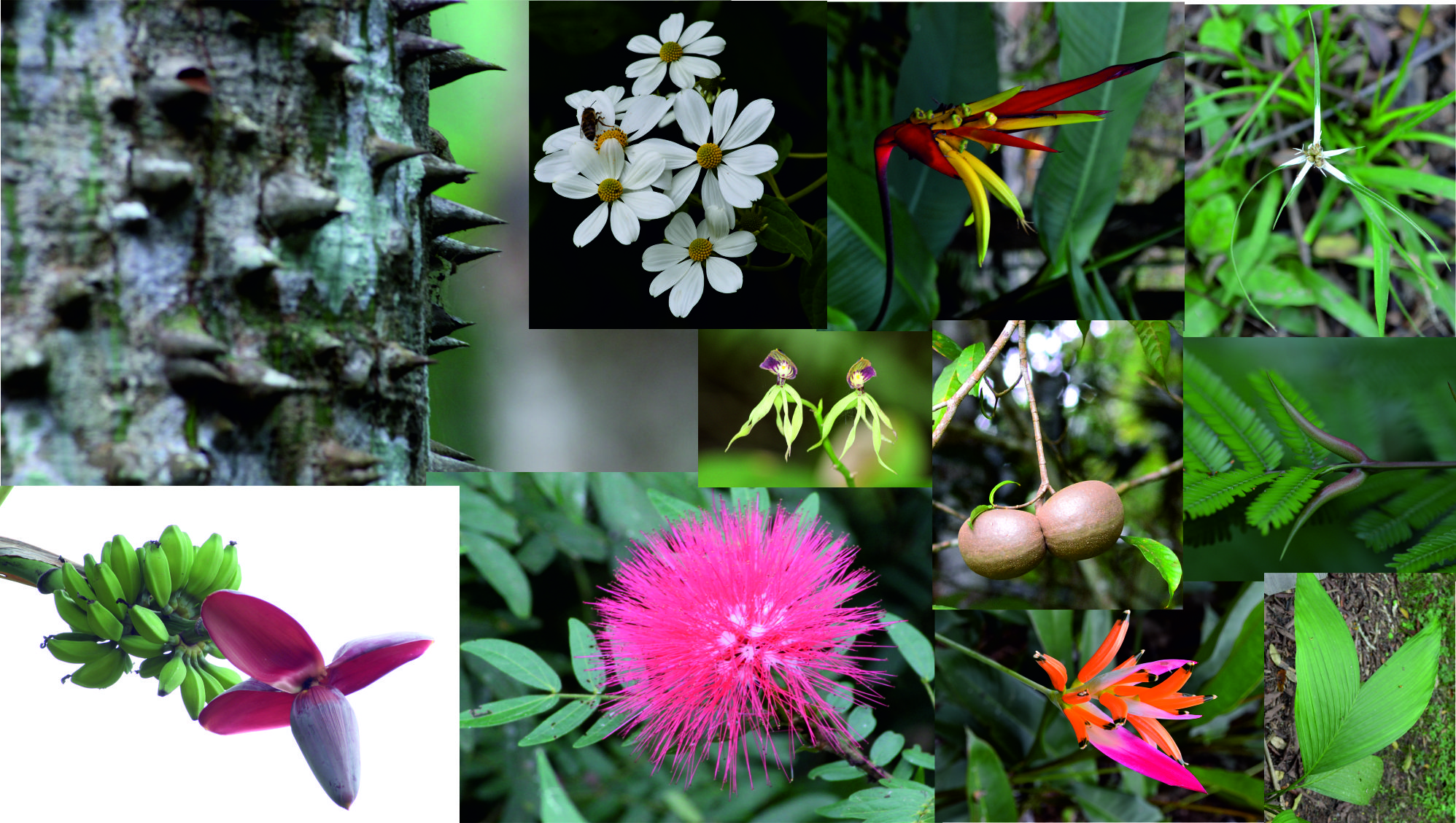
A very small selection of the plants we sampled and identified during the course (Photographs by Anna Turbelin and Nick Loughlin)
Before I get going I would just like to thank all of the staff from the RBGE who led the field course, (David, Louis, Tiina, Becky, Chris and Helen) their ability to teach the major characteristics of 70+ tropical families to many of us who are not botanists or taxonomists in an engaging way was astounding, although I don’t believe I will ever be able to identify a Euphorbiaceae from its vegetative characteristics. Also thanks to the students from the MSc course who were great fun, if any of you move away from botany and taxonomy and want more of an idea about the world of tropical palaeoecology, give me a shout.
On our way to see the Mayan ruins at Xunantunich (Photograph by Anna Turbelin)
Today we were based back at FORIG getting export permits, sorting out import licenses, Lottie was running through her presentation for a final time and catching up with the Oxford group who returned from a 10-day field campaign at Kogyae. We celebrated the end of the our respective fieldwork with dinner out at the Noda hotel – always a treat!
Cascades of vivid green ferns flowing down steep-sided banks on both sides (image below), branchless tree trunks extending upwards through a dense canopy to a point beyond sight – this can mean only one thing, we are in a tropical rainforest.
The morning started in a typical fashion for a rainforest – visibility down to approximately 20m due to a thick mist engulfing everything (image below). We had a big day ahead of us, so a very early start was necessary; 05:30 rise for a 06:30 breakfast and in the truck and rolling by 07:00 heading for Ankasa Game Reserve less than 100km from the border with Cote d’Ivoire. Having never been to a rainforest before, I was not entirely sure what to expect other than lots of lush green vegetation and high humidity, and the vague hope of catching a glimpse of a…
And 5 hours later we have arrived at the Cape Coast. Still a while to go yet though….
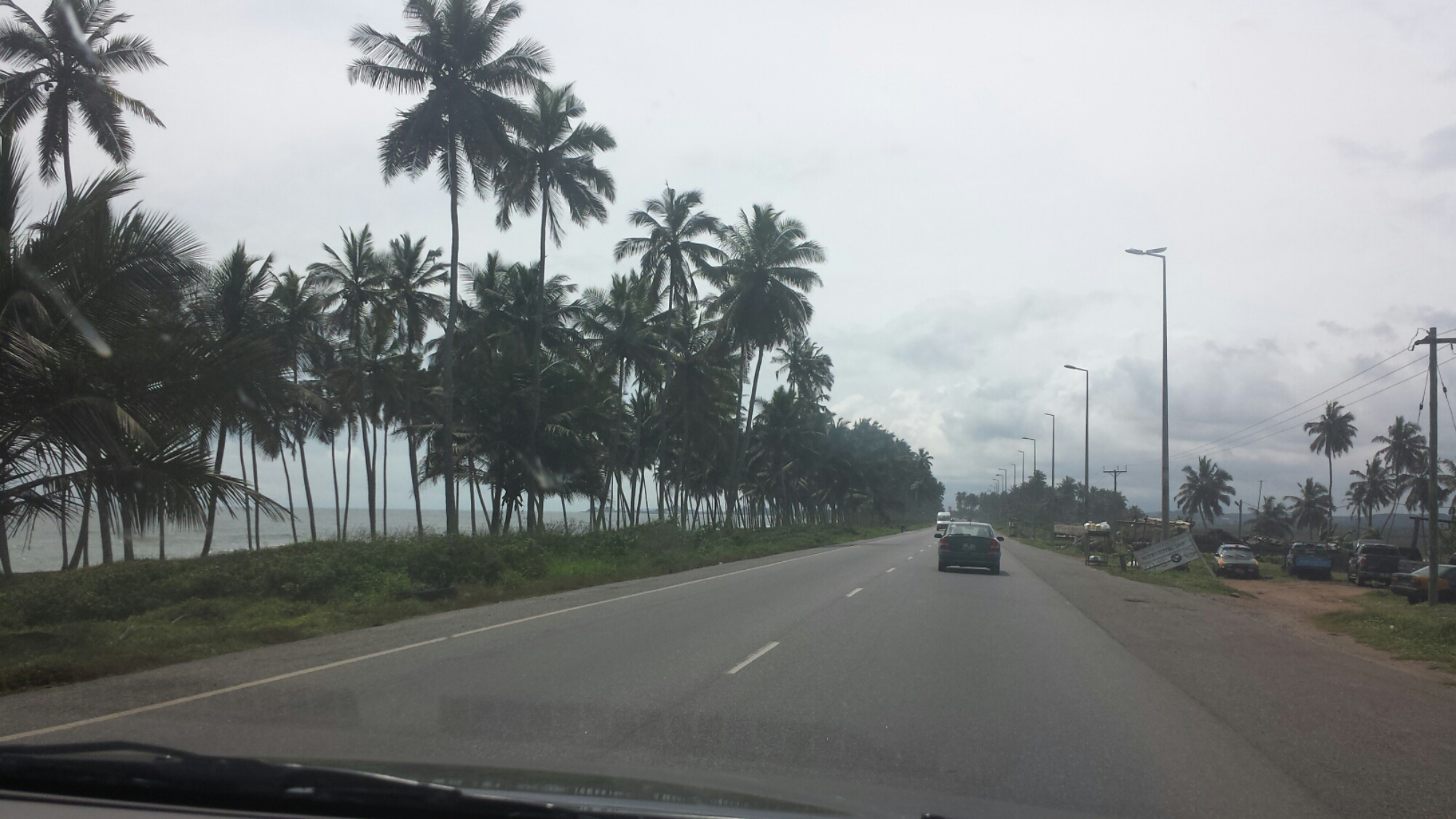
Finally arrived at the Ankasa national park at 17:30 after enjoying some of delights of the trans-African highway (work in progress). What a drive! Just time for our evening meal then early to bed for a 07:00 start in the morning.
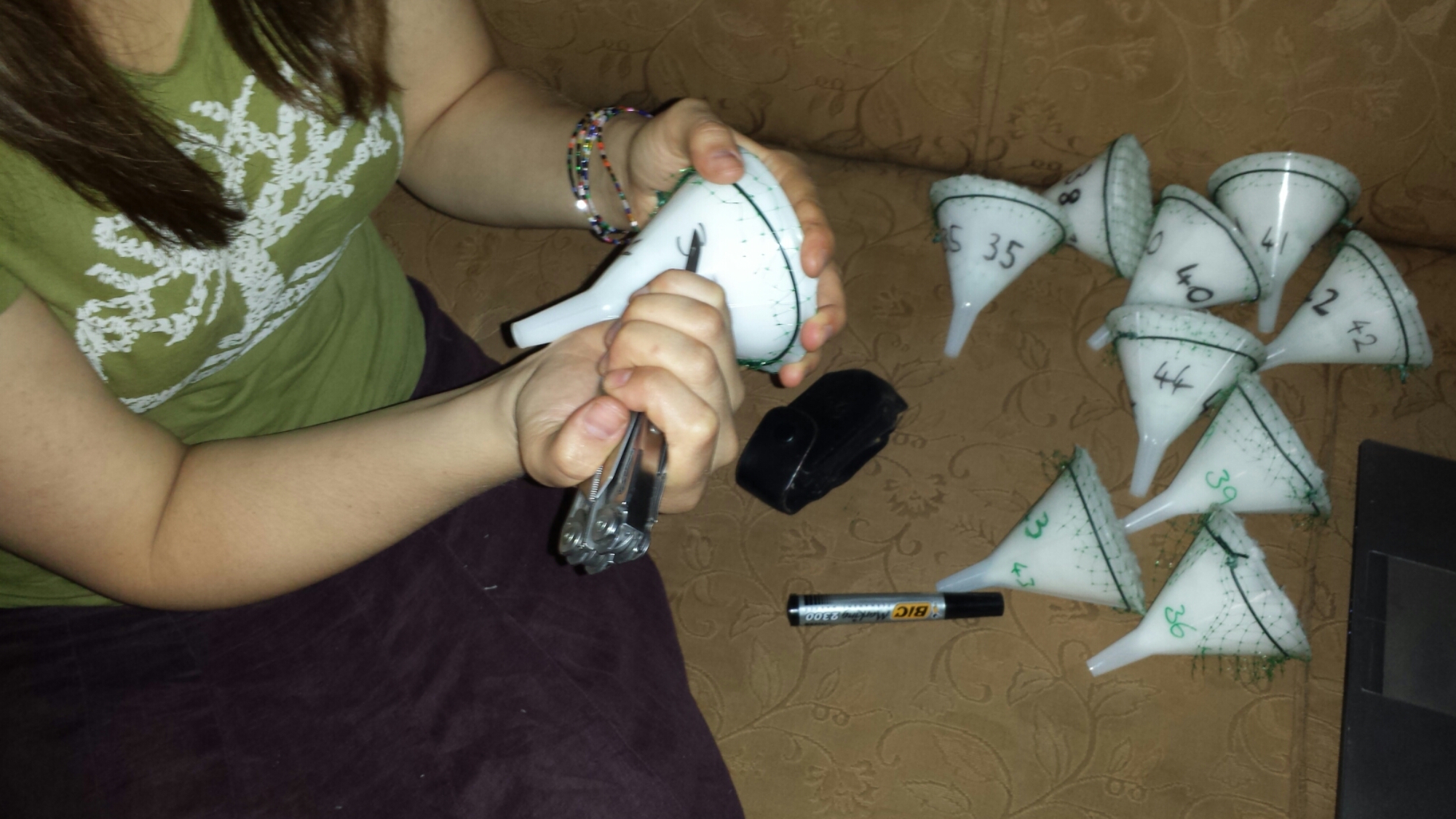
Today is a day back at base preparing for the week ahead. The countdown to the end of this years fieldwork has begun with just the rainforest plots at Ankasa remaining. Ankasa will be a three day stint away from FORIG, thus will require us to fully pack up and leave FORIG, returning on Wednesday evening. Preparation work entails the labelling and sorting of new pollen traps (image below), the cleaning up of used pollen traps that are going to be deposited with workers at FORIG for re-use, and general planning of finer itinerary points.
Lottie is busy polishing her presentations for next Thursday (image below), and I am busy, well, writing this!
Adele has been assisting Lottie by dissecting flowers too.
Hopefully will have internet connection over the next couple of days to continue updating this blog, if not, I will post on Day 14.
Lake Bosumtwi. An impact crater created by the collision of a meteorite with Earth nearly 1.1 million years, and subsequently filled with water to form the lake that exists today. The lake is hydrologically isolated, fed only by precipitation falling on the lake and within the crater catchment. Along with the filling with water comes weathering, erosion and resultant sedimentation of the surrounding landscape depositing into the lake.
The lake and its sediment is the focus of the main NERC-funded project (NE/K005294/1) we are working on, was the basis of Lotties PhD (2013), and underpins Adeles current doctoral work. For her doctoral research Lottie used palynological evidence locked within the lake sediment to reconstruct the past 540,000 years of vegetation in and around the Lake Bosumtwi cathcment, providing a framework for our NERC project that is investigating past vegetation transitions in relation to climatic change and attempting to reconstruct past…


 On our first field day three of the XPERT team (Valerie, Barry and Sarah) claim they saw an Andean or spectacled bear (Tremarctos ornatus) in the paramo of the Cayambe-Coca National Park… Valerie did manage to provided some supporting evidence in the way photos.
 An Andean bear, or a black dog? (photo: van den Bos)







 Ecology of the past