Lost forests of the Netherlands

June 13, 2023
WDG

The June 2023 meeting of the Dutch palynological society (Palynologische Kring) took place at the offices of the Dutch National Cultural Heritage Agency (Rijksdienst Cultureel Erfgoed) in Amersfoort. The focus of this meeting was the past forest landscape of the Netherlands. The meeting included the annual report of the society, three scientific talks, and a prize giving for the best MSc thesis.
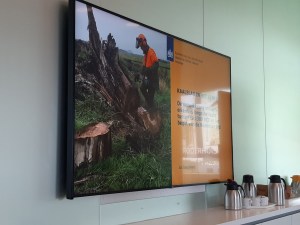
Presentation of Jos Bazelmans showed the huge amount of woody material extracted from Dutch peat bogs.

The annual report of the society showed a healthy finances and membership (>100 members). Two key events from last year were the award of the societies highest award, the Jongmanspenning, to Margaret Collinson for her massive contribution to the field, and the annual excursion; in 2022 this was to Leiden and included visits to Roman archaeological sites.

Kelly van Leeuwen winner of the 2023 Florschütz Award

The scientific part of the meeting was kicked off my Roy van Beek who presented results from his ongoing project on the peatlands of the Netherlands which suggest peatland expansion occurred between 5500 and 3500 years ago (van Beek et al., 2023). The second talk was by our host, Otto Brinkkemper, and traced the history of woodlands across the Netherlands on the basis of macrofossil finds; including huge tree stumps remarkably preserved in peatlands (Bazelmans et al., 2021; Kooistra et al., 2006). The final talk was given by Jos Bazelmans who showed the remarkably high volume of tree stumps that have been recovered from the Netherlands, and how tree rings from these 100s of record are being used to reconstruct forest histories and past climate change. It was interesting to hear that the average age of the tree stumps found was around 250 years, and that some of the trees had lived to around 400 years in exceptional cases.

Kelly with her proud supervisors Stefan Uitdehaag (right), and I (left)

The final section of the meeting was the prize giving. Corrie Barkels, on behalf of the independent judging panel, announced Kelly van Leeuwen as the winner for her thesis entitled “Using soils samples and footwear to improve forensic palynology”. Her thesis was conducted at the University of Amsterdam as part of her MSc Earth Sciences degree and was conducted in collaboration with the Netherlands Forensic Institute. Congratulations Kelly!

Continue Reading
#Train2EGU and back

April 27, 2023
WDG

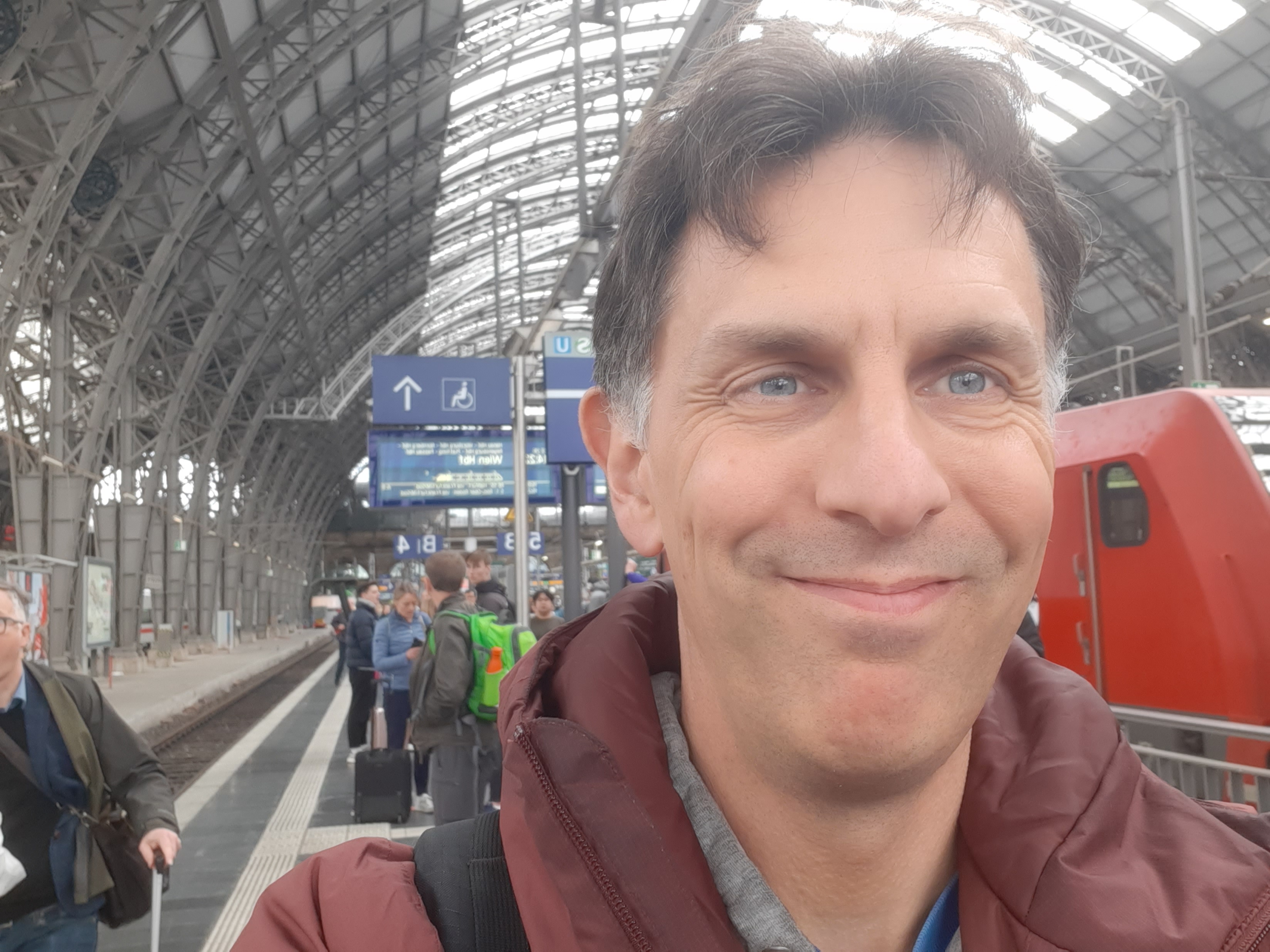
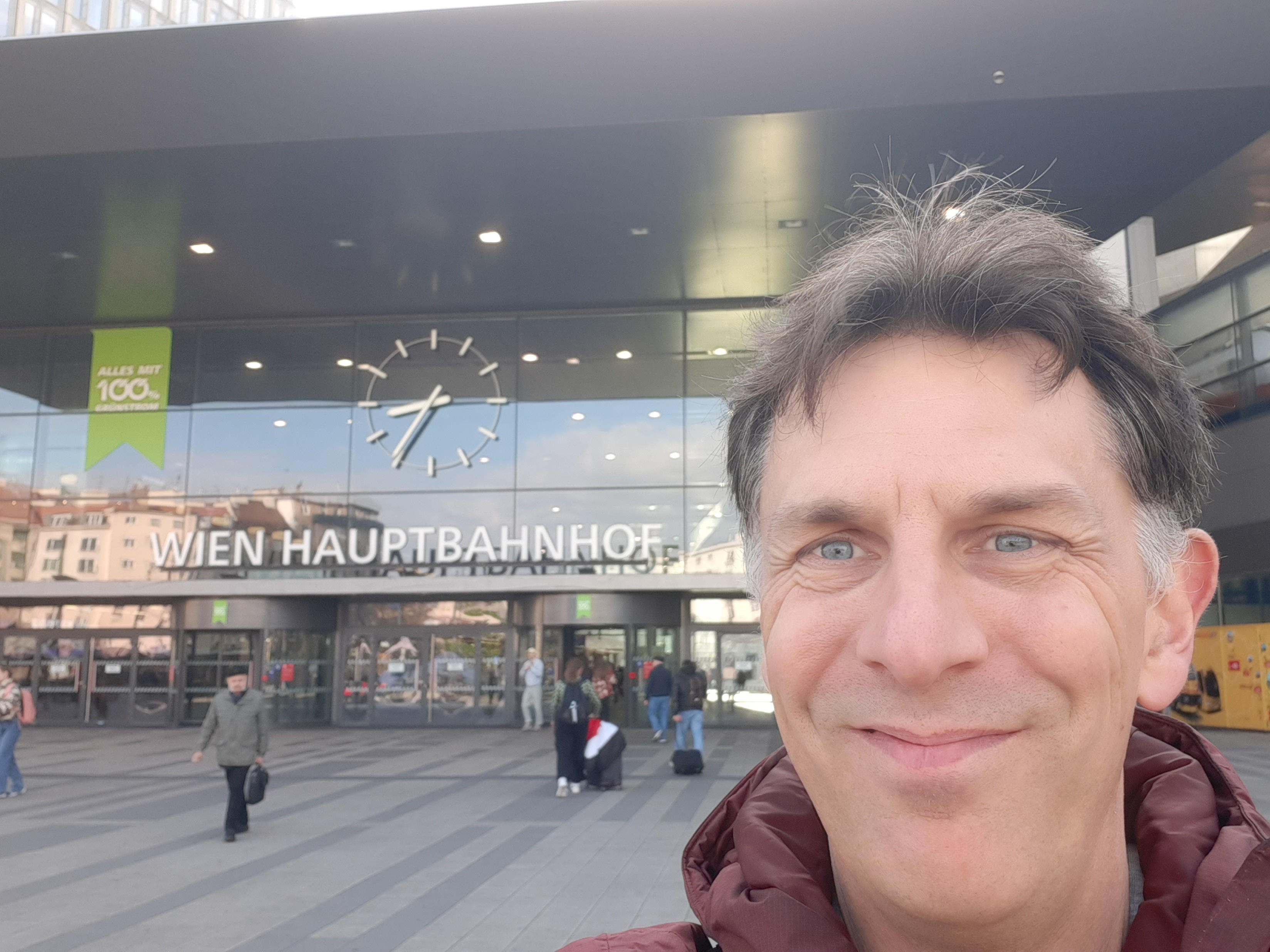
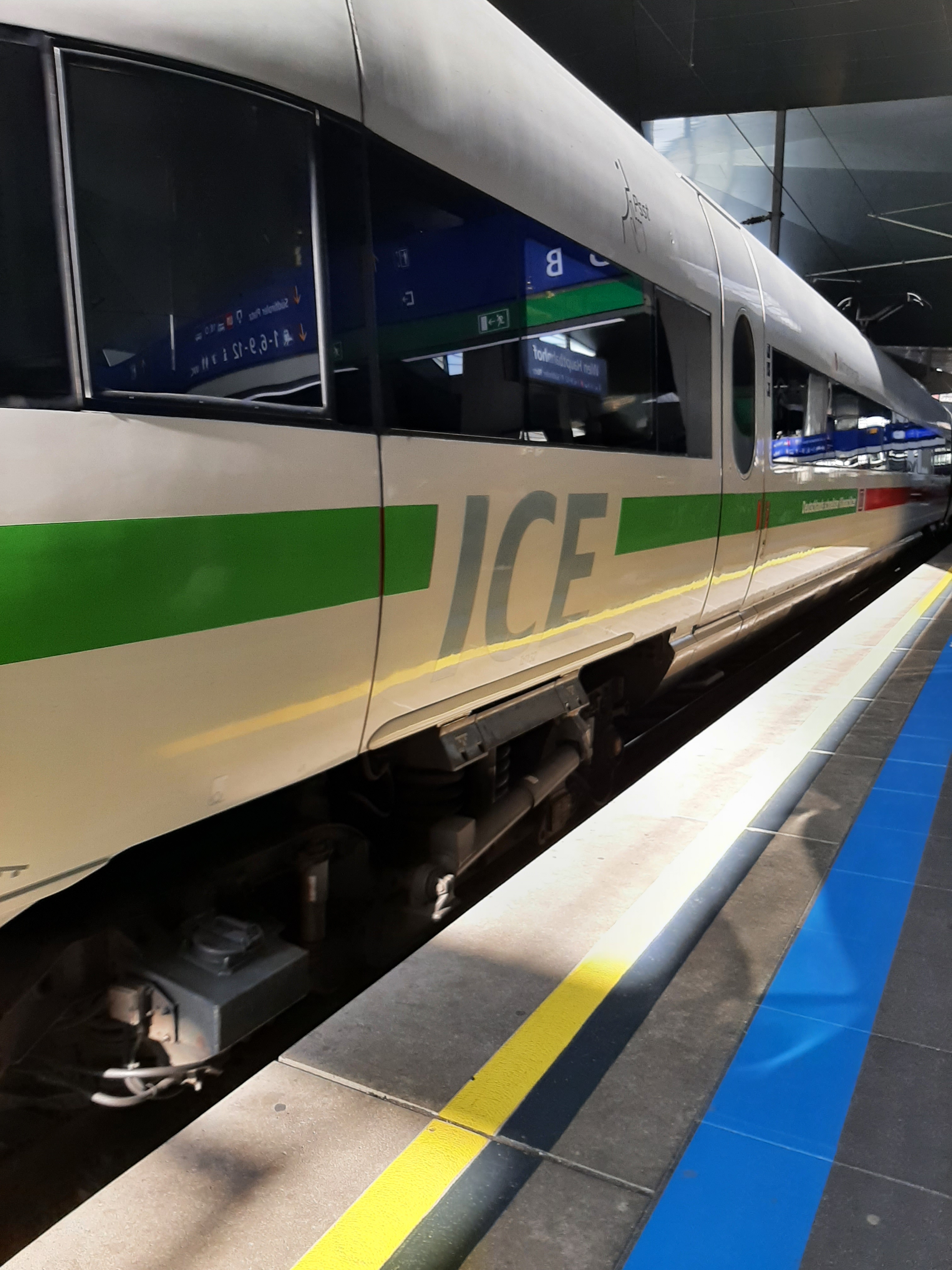
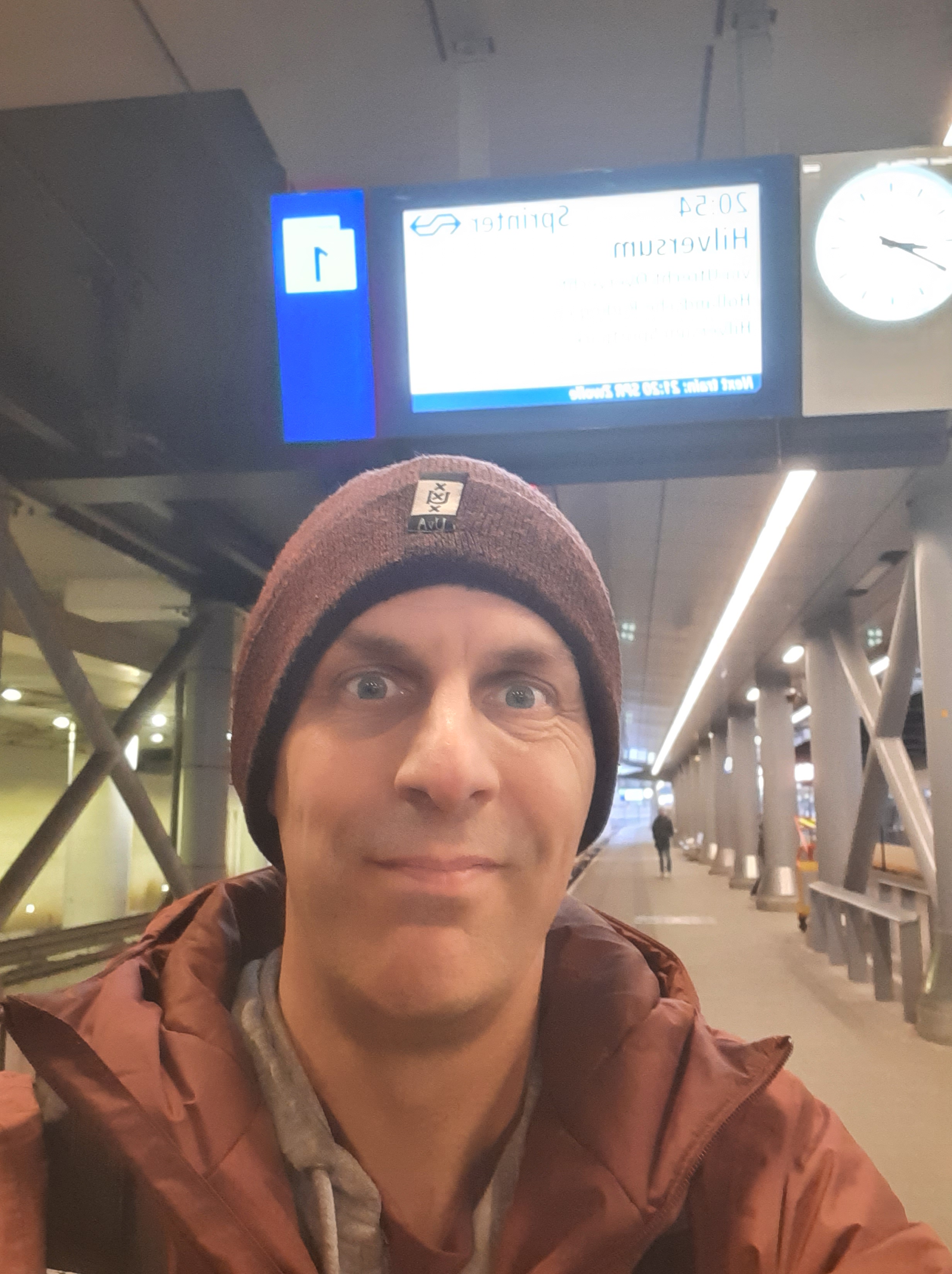
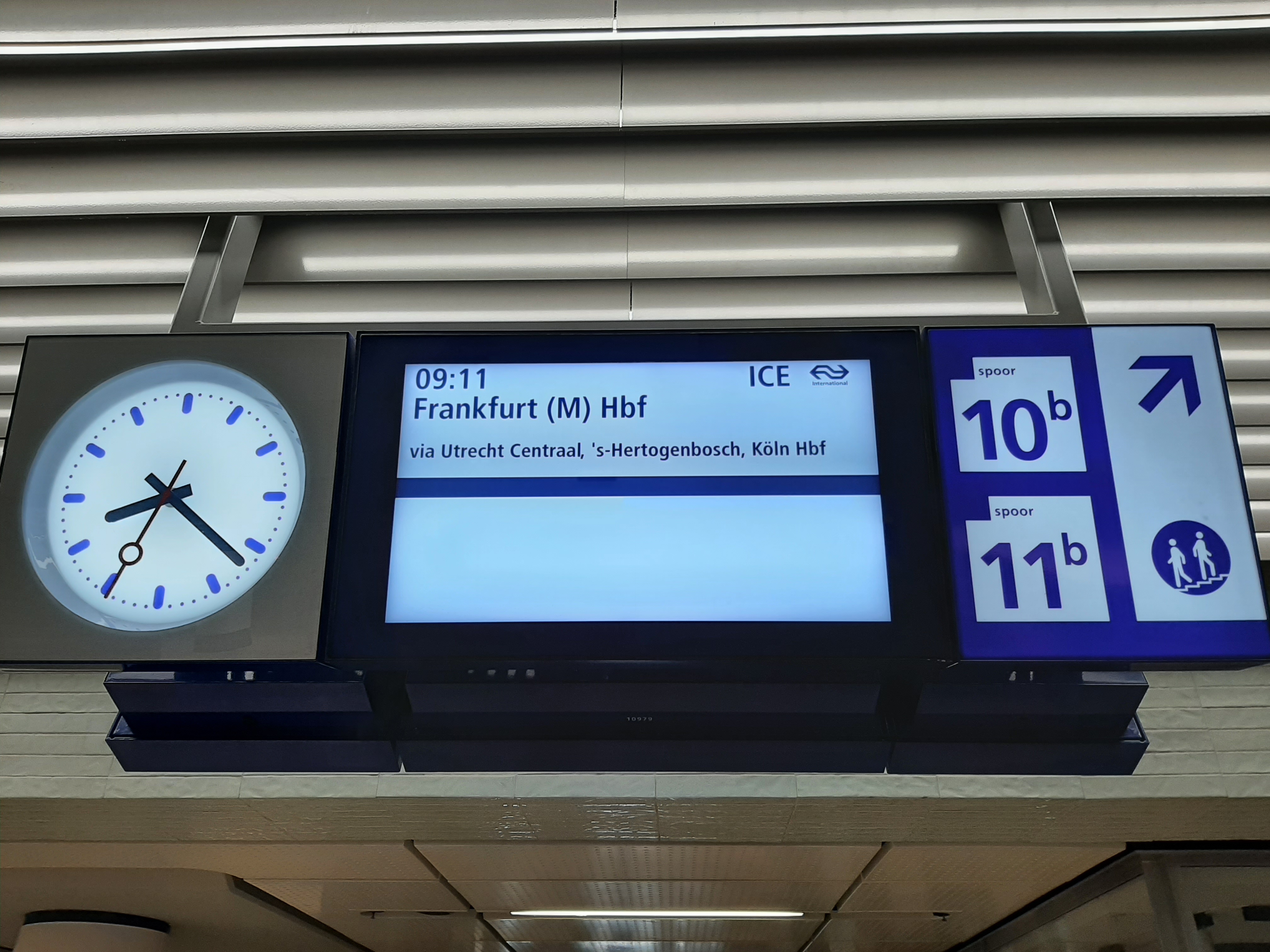
The European Geophysical Union General Assembly is taking place in Vienna this week (23-28 April 2023). Thousands of scientists from around the world have come together at the Austria Centre to discuss the latest discoveries related to our understanding of how the Earth system functions. This year I choose to travel to EGU by train from Amsterdam. It was not until later that I discovered that #Train2EGU was a “thing” (see photos below). I was not able to stay in Vienna for the whole congress so I am now back in Amsterdam. However, my time at the congress was excellent:

  • Listening to a wide range of talks (including sessions on past environmental change in Africa, the role of fire in shaping ecosystems and landscapes, and how we can develop new methods to extract information from sedimentary records),
  • Holding in-person scientific meetings with colleagues to try and figure out what the datasets mean on various projects (mainly focused on wiggly lines generated from long lake records), and
  • Meeting up with friends and colleagues who I had not seen for many years…

I hope all those still at EGU are having fun. While I see the necessity of scientists to get together in the same physical space to advance our field I also see the tension with the environmental impacts of travel. Getting together at big congresses such as this maybe the most travel efficient way to solve this conundrum? Anyway, I hope at least people think about their travel plans and I for one enjoyed by #Train2EGU experience; all connections met and – apart from 1 hour of very crowded conditions after leaving Frankfurt – a very pleasant experience in which I could easily work / sleep / eat.

My route out: Bussum – Amsterdam – Frankfurt – Vienna. My route back: Vienna – Frankfurt – Utrecht – Hilversum – Bussum.

Palynologishe Kring: Seminar day (May 2022)

June 15, 2022
WDG

On the 19 May the Palynologische Kring (Dutch palynological society) held a hybrid seminar meeting under the theme “Dutch palynologists then and now”.

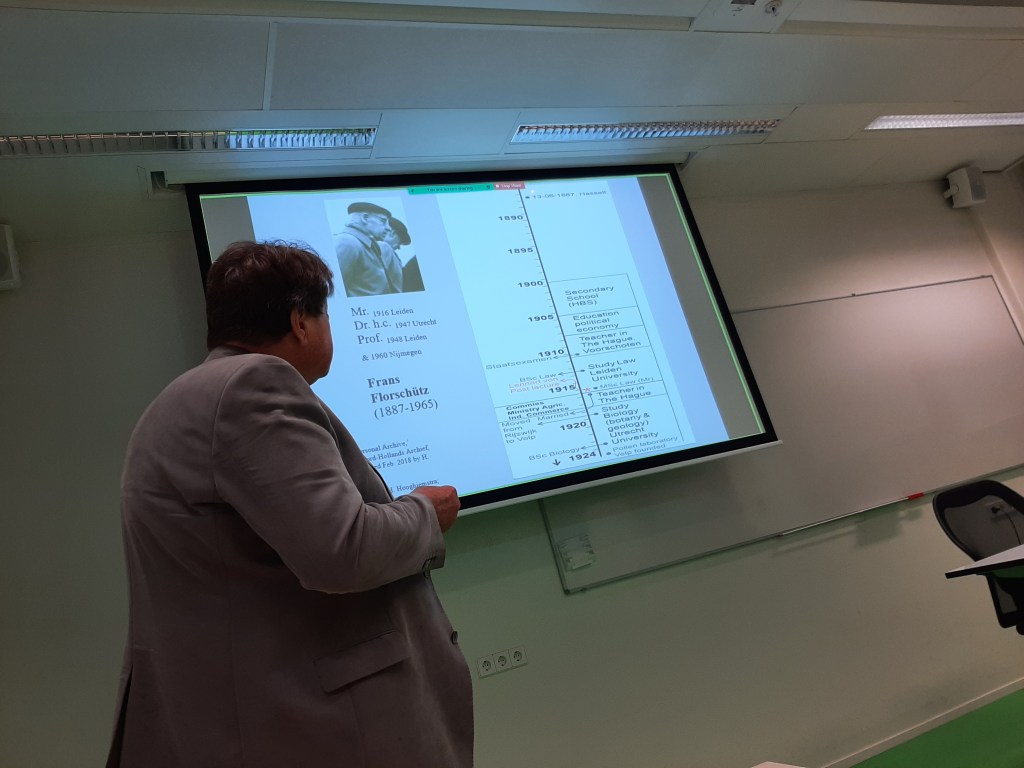
The meeting was opened by Prof. dr. Henry Hooghiemstra (University of Amsterdam) who focused on the “then” and presented a biopic of pioneering Dutch palynologist Frans Florschütz. Florschütz became one of the major figures in establishing palynology within the Netherlands during the 1900s. Originally, he studied political economy and law, but went on to become the Secretary to the Board of Governors of the Agricultural School in Wageningen. From his position in Wageningen Florschütz had a base to develop his interests in palynology and past environmental change. He started work on the seminar work “Nederland in Ijstijd” (The Netherlands in the Ice Age) in 1939 and it was published in 1950. During his career Florschütz also held positions at Utrecht University (obtaining his doctorate), University of Leiden (endowed chair, until 1958) and University of Nijmegen (post retirement). Click here for further information on Frans Florschütz visit.

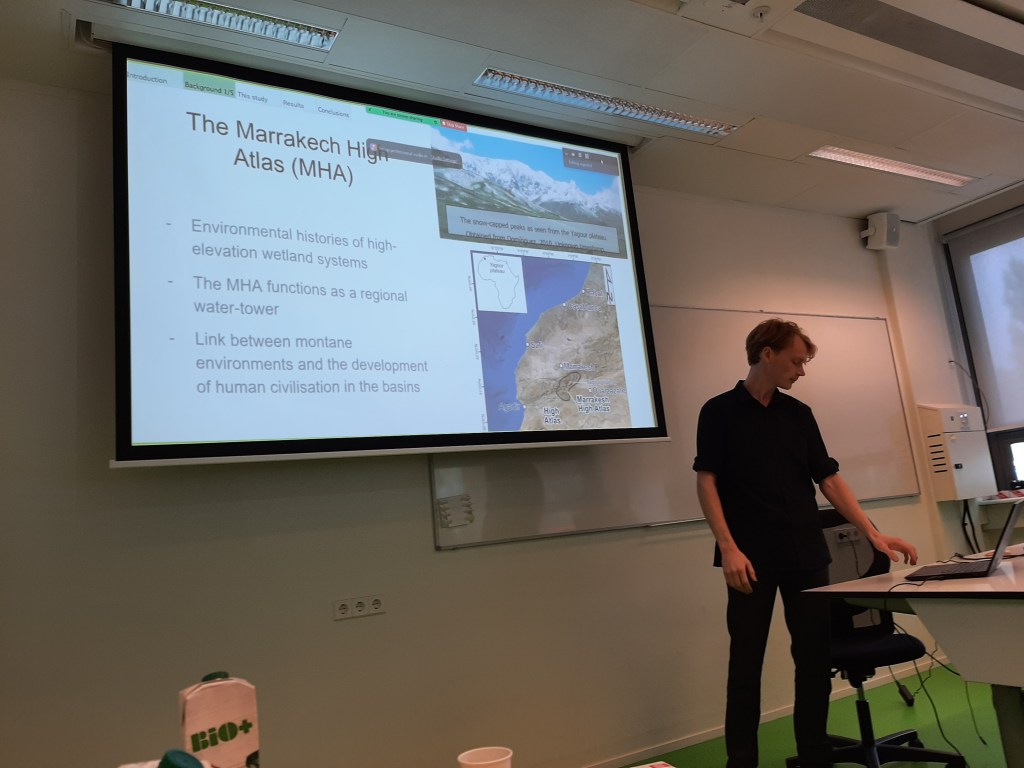
The second part of the meeting focused on the “now” with presentations form three Dutch researchers engaged in research abroad. First up with Eric de Boer (Universidad de Granada, Spain), then Thya van den Berg (University of Hull, UK), and finally Henk Cornelissen (University of Manchester, UK). Eric presented new data on the human and climate impacts on the Iberian Peninsula. Thya presented her work in two parts focused on the new datasets on past environmental change from Yorkshire (UK) and then the development of modelling approached to estimate landscape cover on the basis of pollen datasets. Henk took us to the high atlas of Morocco and showed how pollen and chemical data can be integrated to reveal past human presence and impacts.

The next scheduled event will be in the annual excursion which this year will be to Leiden. For further details and to find out more about the Palynologische Kring visit the web pages here.

Mapping Ancient Africa: Video of seminar 3

January 18, 2022
WDG

The third of a seminars in the Mapping Ancient African project took place on Monday 17 January 2022 and was given by Emmanuel Ndiema (National Museums of Kenya). You can watch the seminar now on the Ecology of the Past YouTube channel. Seminar details can be found here.

INQUAlogo

Mapping Ancient Africa: Report of kick off meeting

October 22, 2021
WDG

INQUAlogo

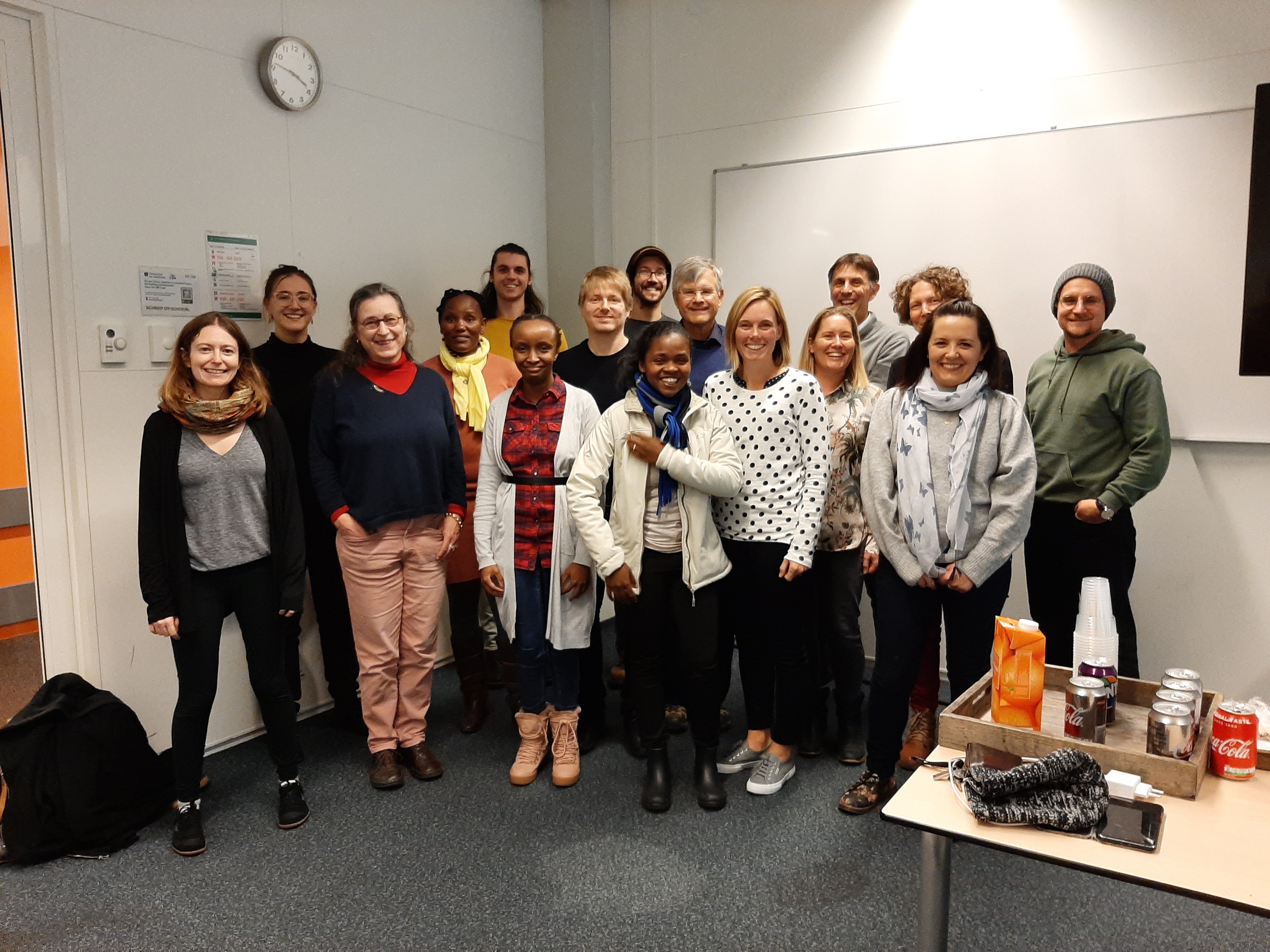
The kick off meeting of the INQUA funded Mapping Ancient Africa project took place on the 14 and 15 October 2021. This hybrid meeting linked up face-to-face meetings in Kenya, South Africa, Germany and the USA online. In total around 35 people participated in the meeting over the two days. It was great to start to get researchers back into rooms together, and to take advantage of the online link ups to connect people within regions who could not travel, and people in different continents. The purpose of the meeting was to introduce the researchers to each other and to start to think about how we can work together to deliver the project goals of collating and synthesising data related to past climate, vegetation and hominin activity from across the continent.

Continue Reading

African Pollen Database – Data stewards

January 29, 2020
WDG

Neotoma PackratAn African Pollen Database data steward training event was held at the Institute for Biodiversity & Ecosystem Dyanmics (University of Amsterdam, 27-29 January 2020) where training in the use of the Neotoma database was provided by Eric Grimm. The participants are now enabled curate and archive data within Neotoma. If you have a palaeoecological data set that you would like to contribute to Neotoma, or if you would like training as well, these people can now help you. Contact details below:

Continue Reading

Palynologische Kring: Fire meeting

July 4, 2019
WDG

Date: Thursday 4th July 2019

Location: Institute for Biodiversity & Ecosystem Dynamics (University of Amsterdam)

Talks

  • 13:00   Algemene leden vergadering/Annual meeting
  • 14:00   Objective quantification of microscopic charred particles in pollen slide Frederike Verbruggen (BIAX)
  • 14.30   On the interpretation of ancient charcoal Crystal McMichael (University of Amsterdam)
  • 15:00   Introduction to laboratory activities William Gosling (University of Amsterdam)

Laboratory 

  • Chemical analysis of charcoal fragments Marco Raczka and William Gosling (both University of Amsterdam)
  • Charcoal in archaeology Erica van Hees (Leiden University)


How can we conserve species in the face of anthropogenic climate change?

March 15, 2019
cmcmicha


Participants of the meeting

Participants of the meeting

The International Conference on Past Plant Diversity, Climate Change, and Mountain Conservation was aimed to address this question, with a focus on mountain (montane) species. As climate warms, there are several outcomes for montane species. They can migrate upslope, go extinct, or adapt to the warming conditions. Given these options, we got together to discuss our most recent datasets, and the best strategies for the conservation of montane species. Effective conservation strategies are crucial for the survival of many rare and endemic montane species, because climate is indeed warming, regardless of what Trump or Fox News tries to tell people.

Continue Reading

Blog at WordPress.com.