MSc Earth Sciences: Peru field course 2024

July 10, 2024
WDG

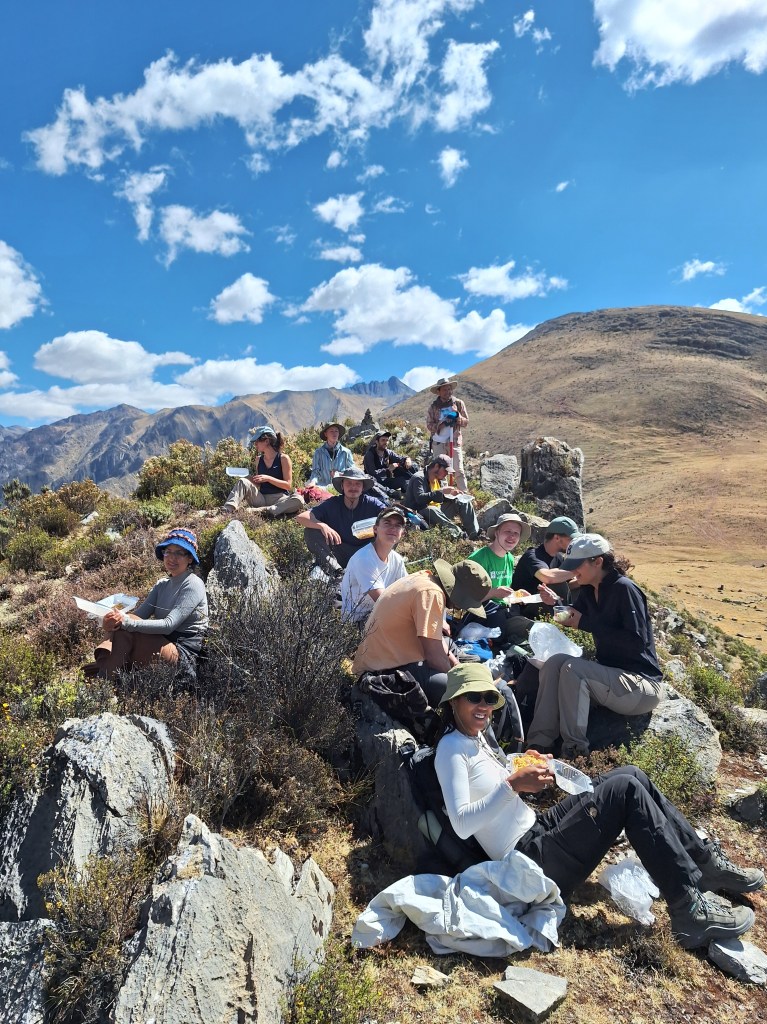
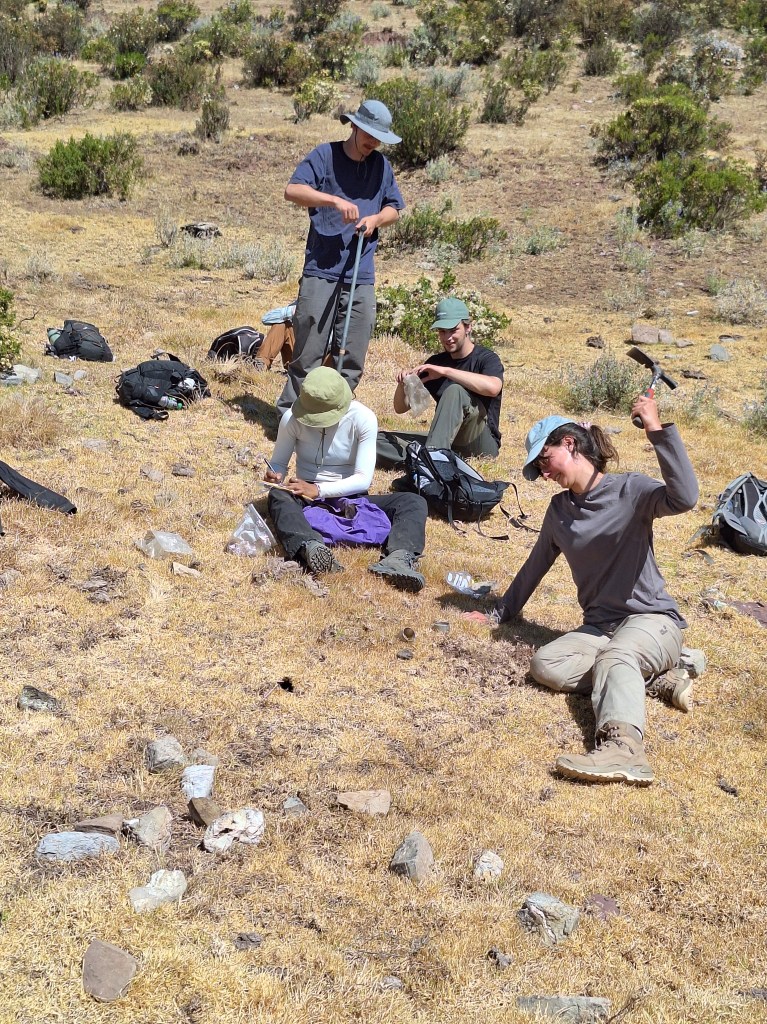
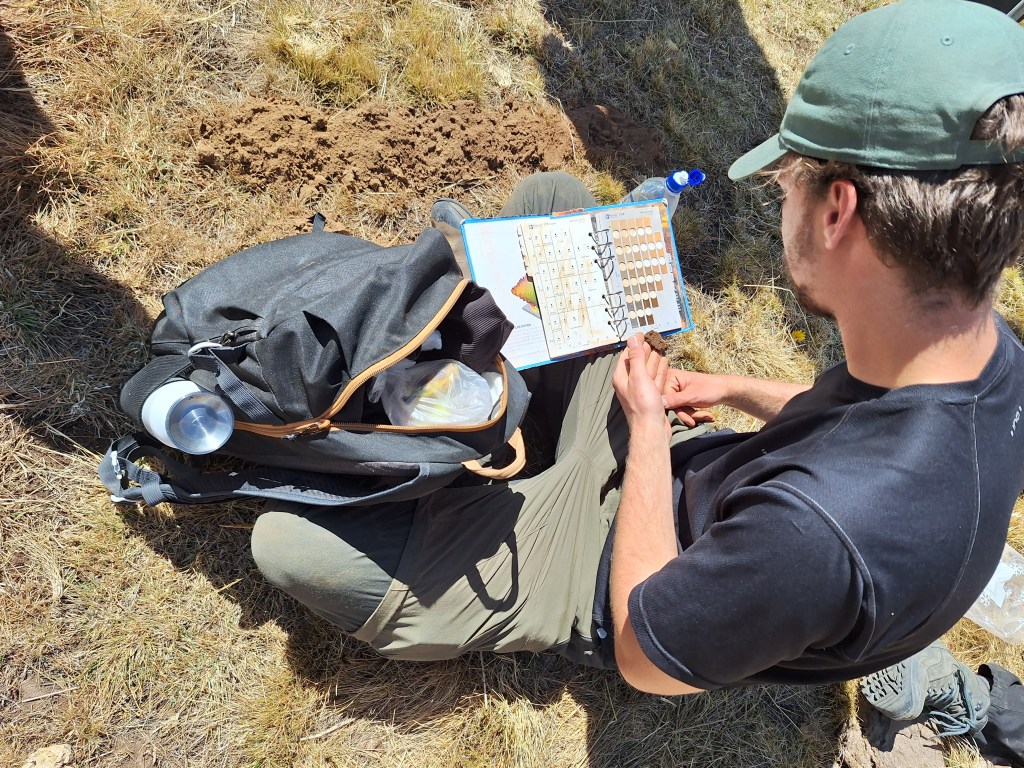
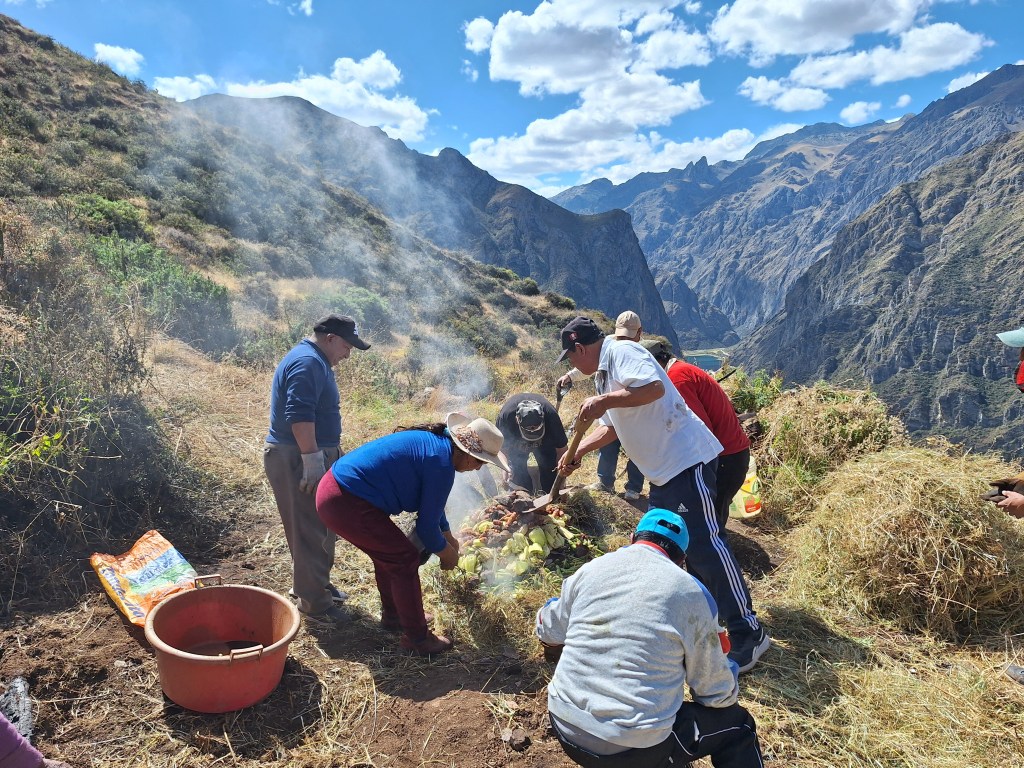
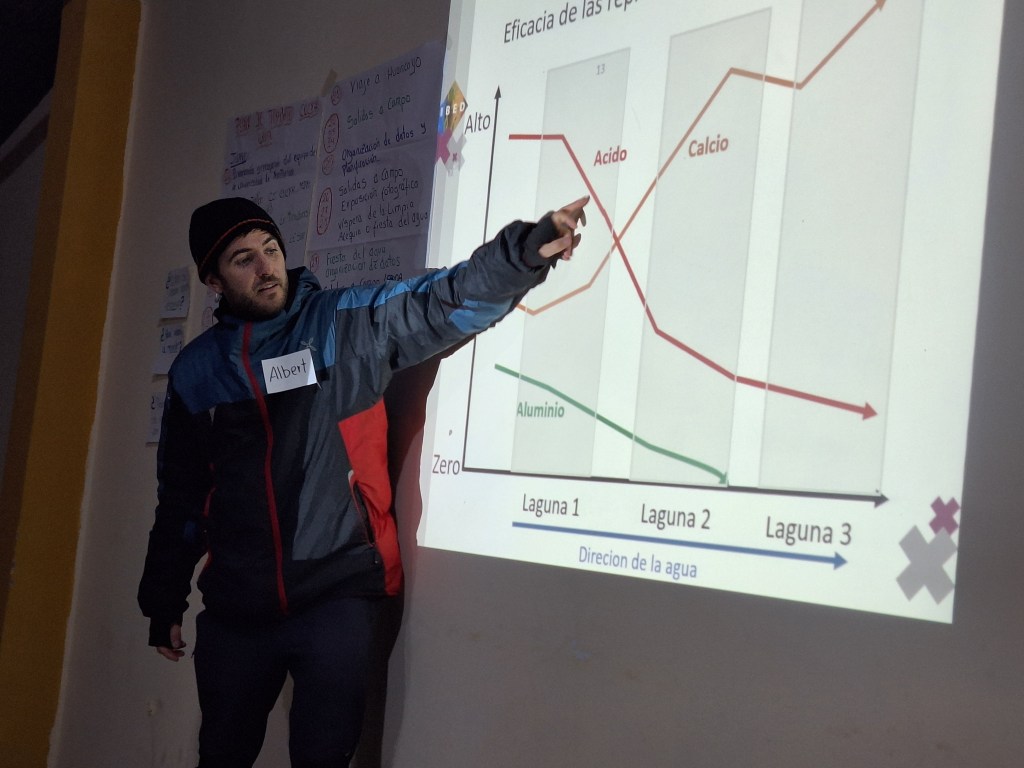
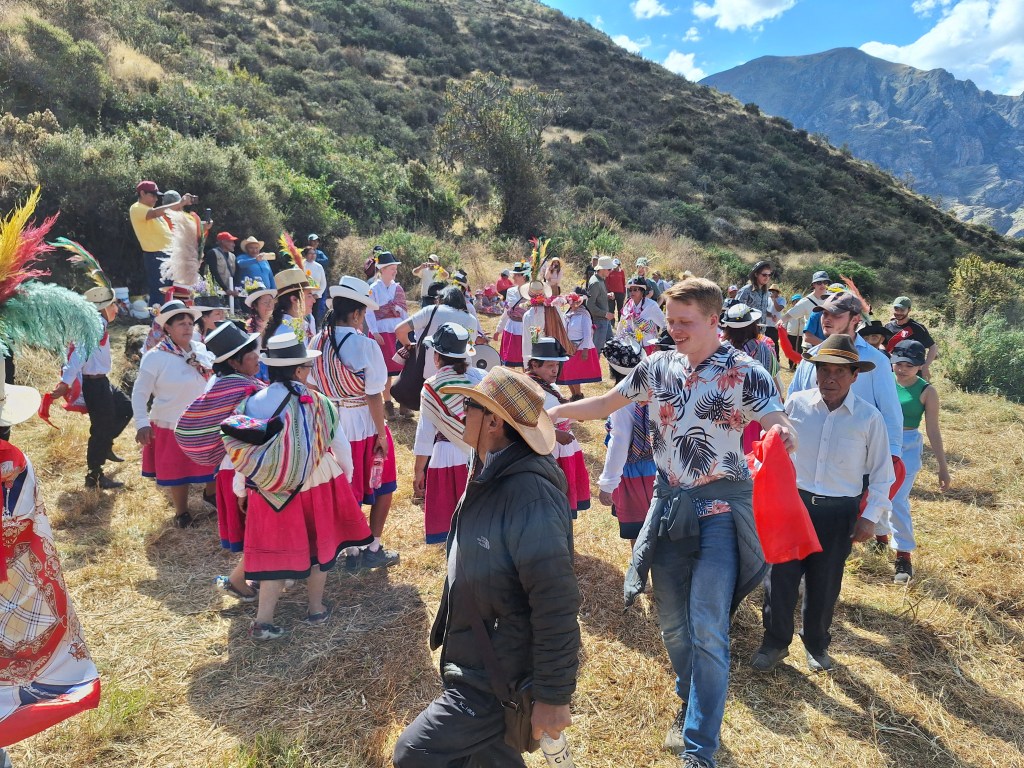
The University of Amsterdam MSc Earth Sciences “Geoecological Systems” field course took place this year in Miraflores (Peruvian Andes) during June and July. Eighteen students, including three from Peruvian institutions, spent four weeks exploring the high Andes. During this time the students developed scientific projects to address interests of the local population related to soil quality, environmental pollution, water resources and cultural heritage. Access to the area and embedding within the community was enabled by The Mountain Institute Peru. During the course the students gained extensive ‘hands on’ field experience, developed teamworking skills and discovered the benefits of a participatory approach to research.

This course runs once every two years (to find out about the 2022 expedition click here). Want to join us on a future expedition? Check out our degree program here to enroll.
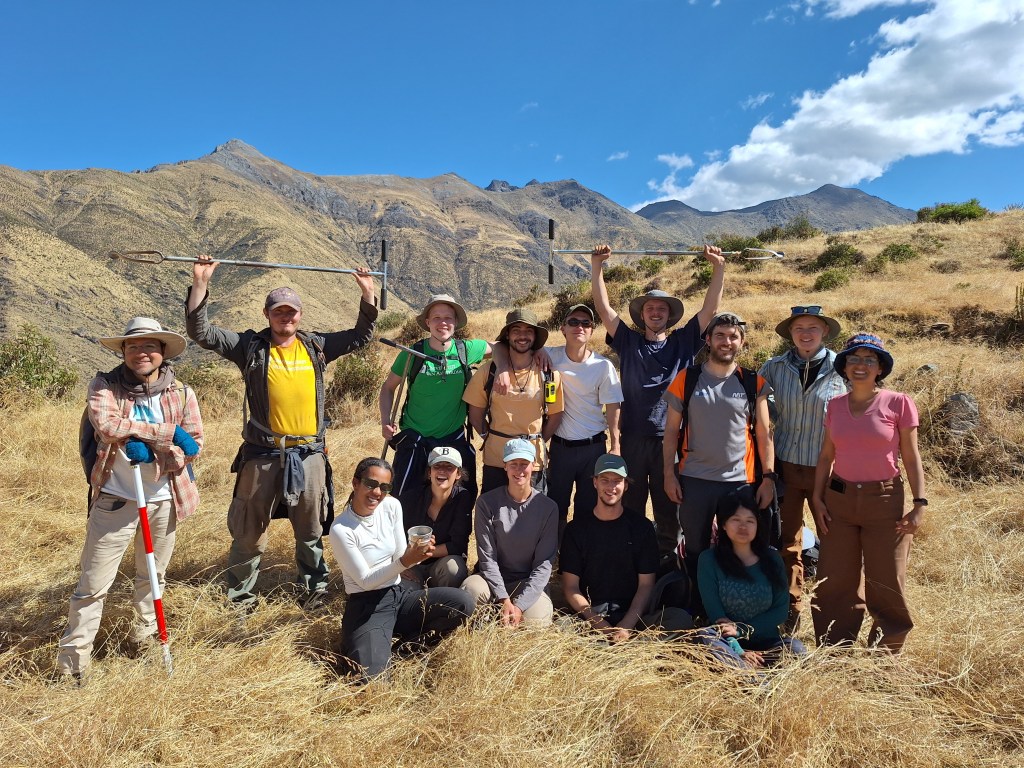
Images from the University of Amsterdam Peru field course 2024

Keep on pollen sniffing

May 5, 2020
WDG

By Cas Verbeek (University of Amsterdam)

Luckily, in spite of these trying times, we are allowed to continue our research in Amsterdam and on the Veluwe to determine the effects of air pollution on airborne pollen grains. Unfortunately for us (but generally perhaps one of the few silver linings of this situation), the COVID-19 lockdown has largely eliminated our main variable of interest; air pollution.

With traffic in the city at a minimum, any chemical differences might not be as pronounced between the city and rural areas. However, this may actually provide us with a unique opportunity to get a baseline of the pollen chemistry in Amsterdam with relatively little pollution. This baseline may also be of interest to projects working on urban air quality and greenifying urban spaces, such as the projects in the Amsterdam Knowledge Mile Park, which is included amongst our sampling locations.

This slideshow requires JavaScript.

For more about our project on pollen and pollution in the Netherlands see other posts:

Problem solving in the Anthropocene

April 3, 2014
WDG

DSCN3814William Gosling on:

Barnosky, A.D. & Hadly, E.A. (2014) Problem solving in the Anthropocene. The Anthropocene Review, 1, 76-77.

The short communication by Barnosky & Hadly examines the current fundamental environmental ‘problem’ for human populations  through the lens of the “Anthropocene” concept, i.e. will some human populations:

  1. continue to develop using a “business as usual” model that has been shown to elevate environmental risk to all human populations, or
  2. alter societal practice in an attempt to reduce the environmental risks now and for future generations.

Barnosky & Hadly straightforwardly and succinctly present the case that, based on the weight of evidence from the collective scientific endeavour of the global community, humans are now fundamental altering the functioning of planet Earth; a view further supported by the recently published Intergovernmental Panel on Climate Change report (IPCC, 2014).Throughout the period of anatomically modern human existence (Homo sapiens sapiens, the last c. 200,000 years) populations have experienced a variety of environmental changes. Exposure to environmental change has had both positive and negative impacts on societal development (e.g. Gosling & Williams, 2013; Hodell et al., 1995).

Continue Reading

Blog at WordPress.com.