Herbivory and vegetation openness in a pre-farming European landscape

November 19, 2025
WDG

Plant Ecology & Diversity

Gosling, W. D., de Wolf, I. K., Witteveen, N. H., de Zwaan, S. B., Van Teulingen, C., Föllmi, D., Thissen, W., Vink, V. B., Woutersen, A., Philip, A. L., van Herk, M. J., Nascimento, M. N., Prins, M. A., & McMichael, C. N. H. (2025). Herbivory and vegetation openness in a pre-farming European landscape. Plant Ecology & Diversity, 1–22. https://doi.org/10.1080/17550874.2025.2576566

This manuscript has been developed over many years through the contributions of many MSc and BSc students based at the University of Amsterdam.

Bison of the Maashorst (Netherlands)

May 17, 2023
WDG

On Tuesday 16 May 2023 a small team of researchers from the Institute for Biodiversity & Ecosystem Dynamics (University of Amsterdam) visited the Maashorst (Netherlands) to visited an area “re-wilded” with European Bison (Bison bonasus). In addition to the bison the area is also now home to Tauros and Exmoor Ponies The purpose of the trip was to collect soil surface samples to examine for dung fungal spores. Certain fungi grow only on the dung of herbivores and the spores of these fungi can be preserved in the sedimentary record (for more information see Lee et al., 2022). Analysis of dung fungal spore diversity through the sedimentary record can therefore provide insights into the changes in the amount of dung (animals) in the landscape in the past. The purpose of this sampling effort was to see if we can quantify how many, and what type, of spores are representative of this group of bison. This information will help us to be able to interpret ancient records of fungal spores in more detail.

Special thanks to Maurice van Doorn (Gemeente Maashorst) for showing us around.

Landscape Dynamics in an era of change

March 15, 2023
WDG

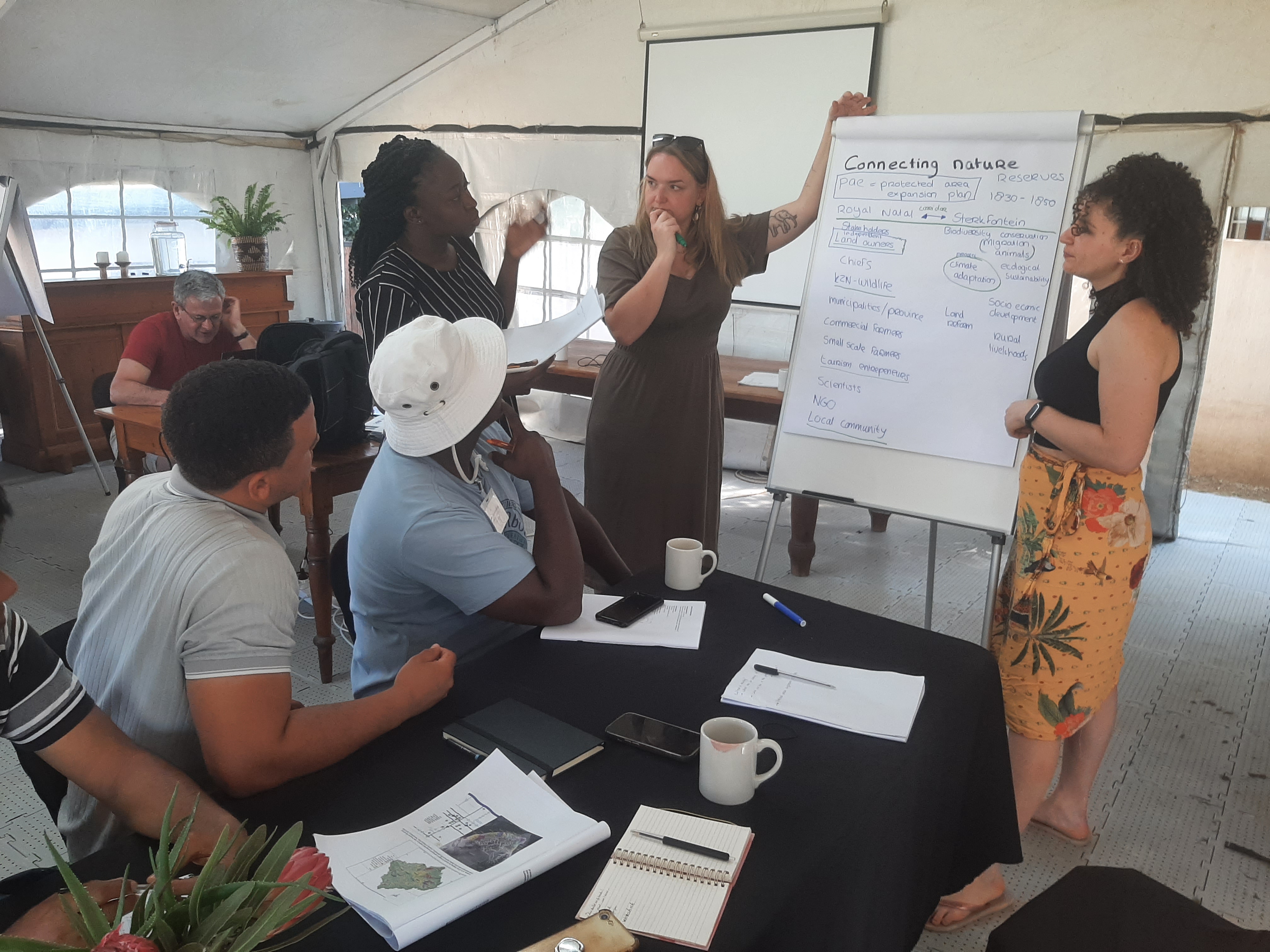
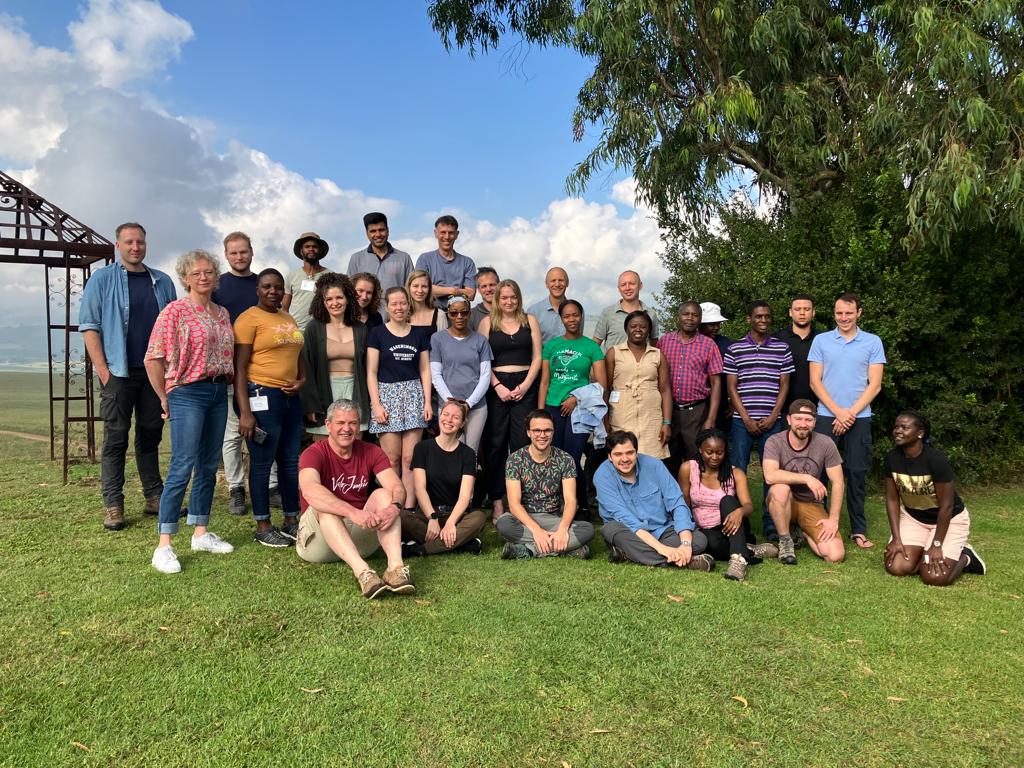
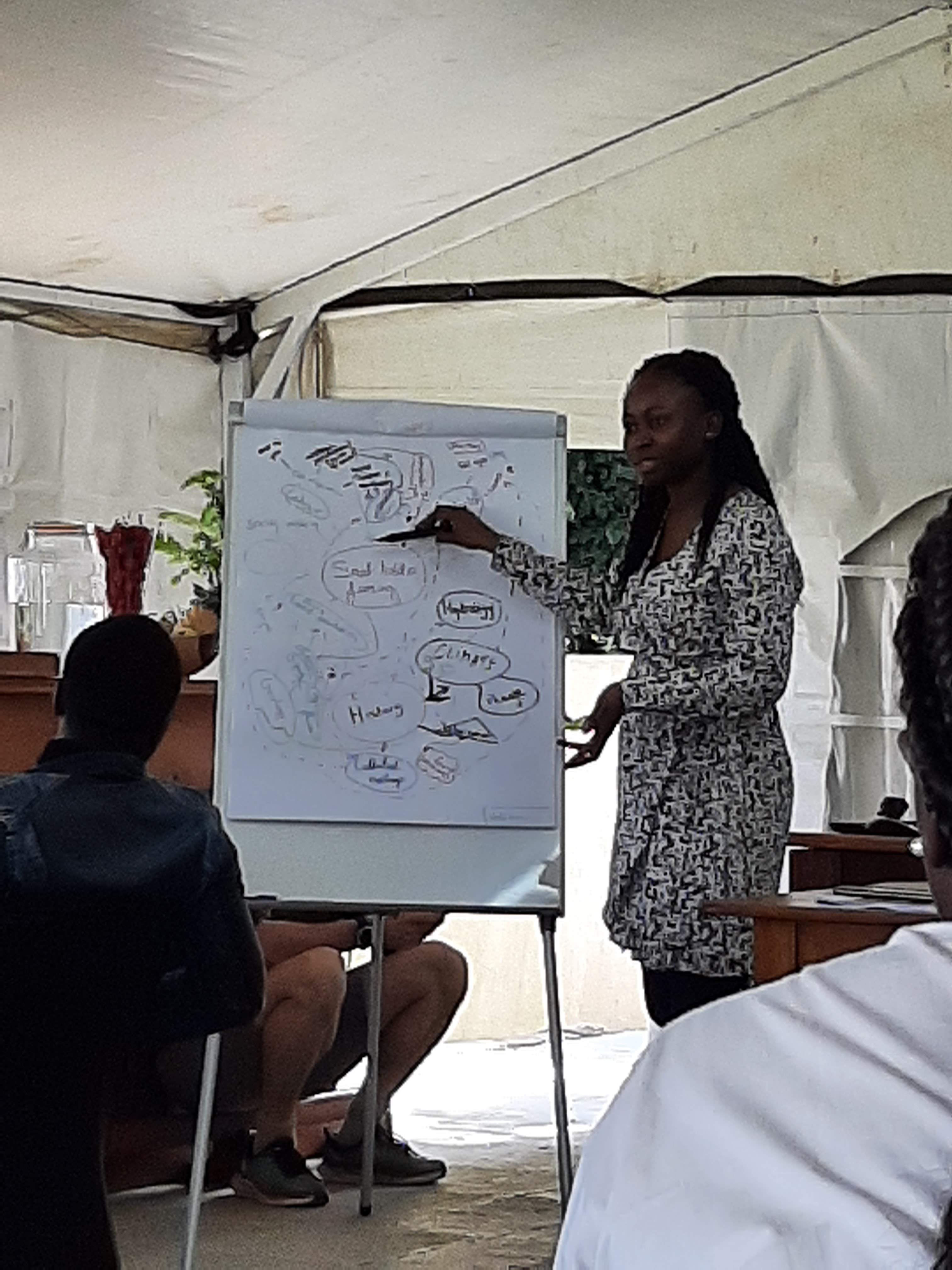
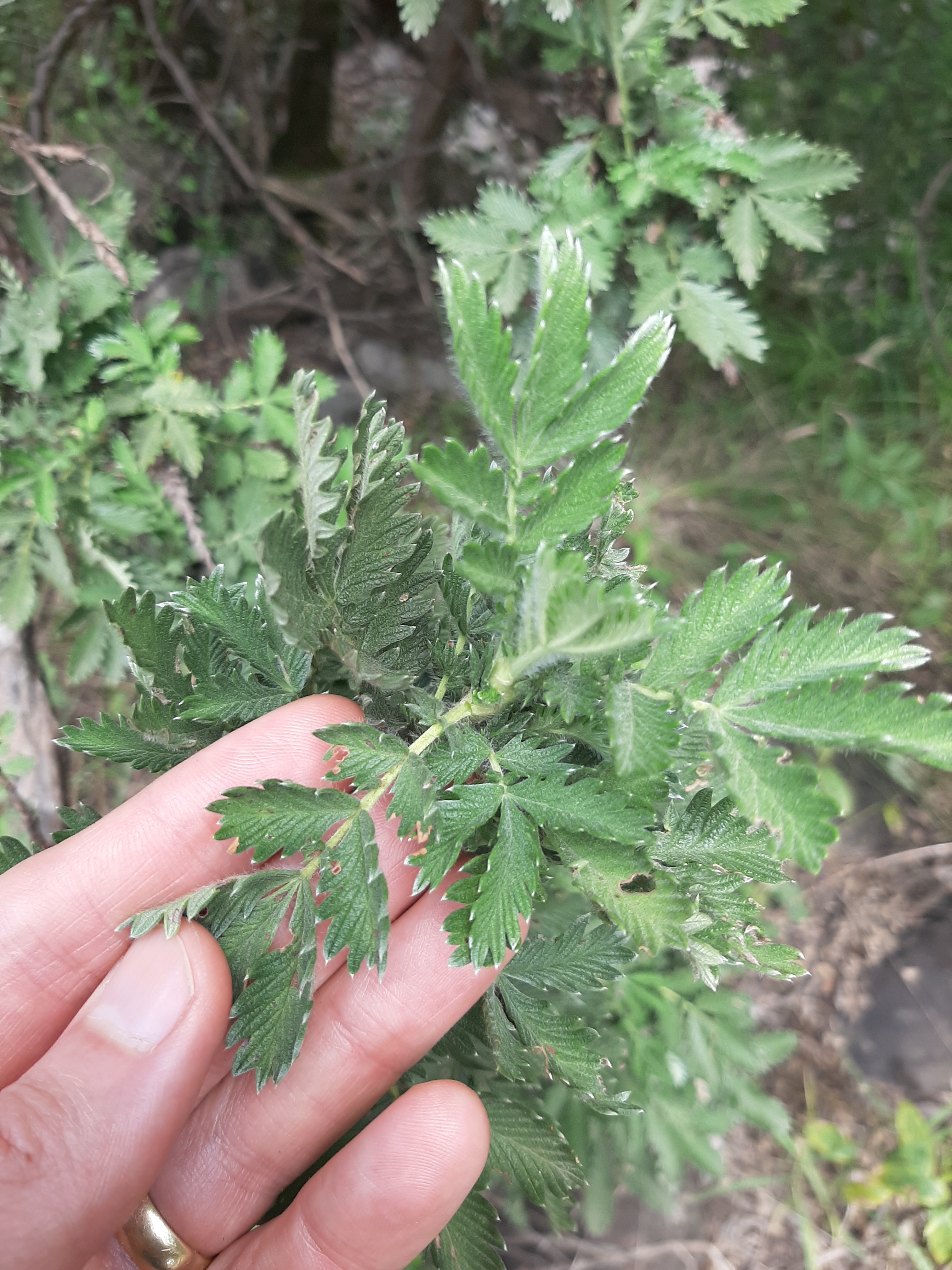
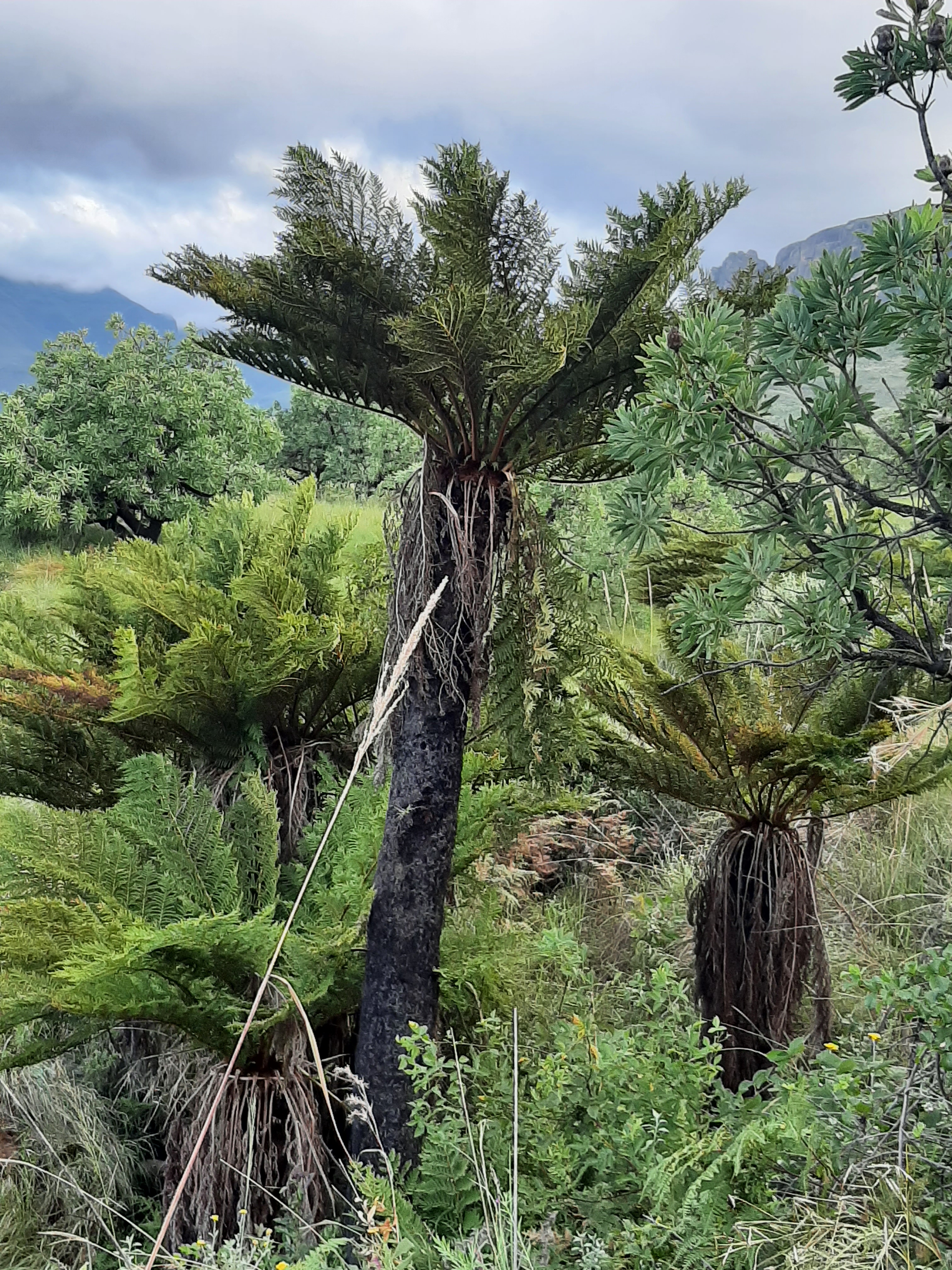
The course “Landscape Dynamics in an era of change: Learning from the past to face the future” took place in the Drakensberg Mountains of South Africa between 5 and 15 March 2023. The course was run by the Graduate School for Production Ecology and Resource Conservation (PERC) and participants were drawn from universities in the Netherlands and South Africa. The main goal of the course was to investigate the past and current dynamics of the region and predict possible futures in an inter- / trans-disciplinary context. Consequently the content of the course was incredibly diverse including: geology, geomorphology, palaeoecology, cultural history, vegetation studies, soil science, farming systems and forestry. These topics were integrated into four group projects centered on invasive species, rewilding, commercial farming and small scale farming.

Blog at WordPress.com.