I am pleased to announce the opening up of a new DPhil position at the University of Oxford Department of Earth Sciences that I will be involved with. The main supervisor for the project is Prof. Tamsin Mather and the position is part of her recently funded European Research Council project. The project is entitled “Sniffing out global volcanic fingerprints using mercury in Quaternary sedimentary records”.
For full details of the project click here and how to apply click here.
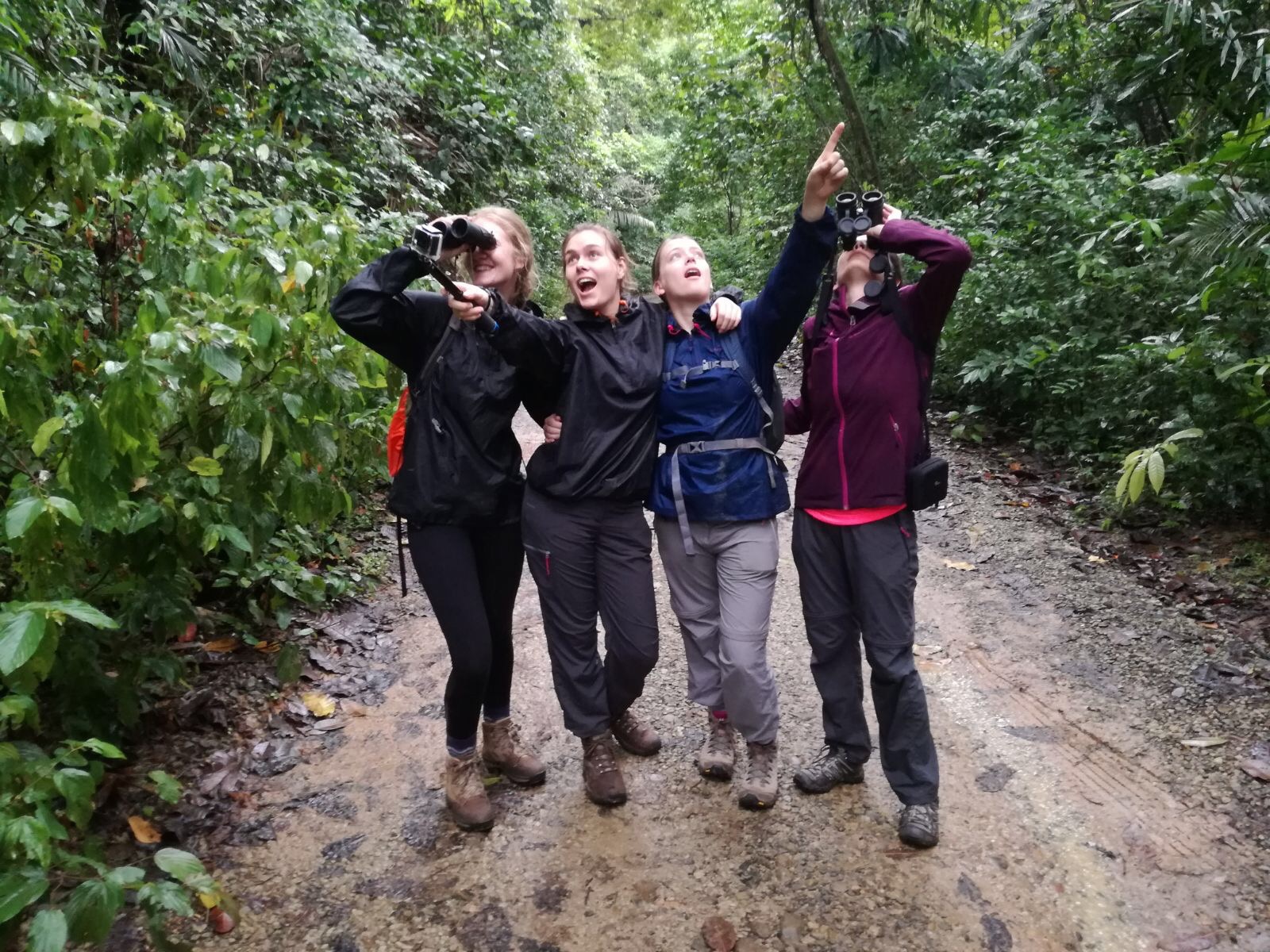
Session abstract: This session deals with studies focused on tropical ecosystems, including terrestrial as well as marine systems. We particularly welcome talks focused on explaining the extraordinary high biodiversity, or on understanding anthropogenic impacts on this diversity.
To submit your paper please send us the following information:
Your full name and those of co-authors to be listed in the programme
Your affiliation (institute + group/department)
The title of the presentation
A short abstract of the presentation that you propose to give (MAX. 200 WORDS)
13.45-14.15: Dr Robert-Jan Wille
History Department, Utrecht University Dutch colonial science in the age of Melchior Treub: evolution, development and symbiosis as political and scientific themes in the late nineteenth century
Main purpose: Based at St Andrews, the PDRA will play an important role in a NERC-funded project working on the distribution and dynamics of peat-forming ecosystems in Amazonia. The post-holder will be required to undertake palaeoenvironmental research (including fieldwork, lab analyses, data analysis and write-up) in order to reconstruct the developmental history of the palm swamps, pole forests, and ‘open peatlands’ over the course of the Holocene. Some technical support for routine laboratory tasks will be available.
Deadline: 31 October 2018
For further information click here.
The successful candidate will be primarily responsible for developing tests for evaluating the effect of humans through space and time on species range sizes and developing analyses to compare diversity patterns and range sizes from different data sources in mountainous regions, interpretation of pollen-stratigraphical data for reconstructing range size through time, and applying mapping techniques to assess the patterns over time and space.
Special requirements for the position:
The successful candidate must have knowledge and experience of quantitative analyses of ecological or palaeoecological data (preferably using the statistical software R), as well as documented skills in one or more research fields relevant to the position.
Experience with large databases and some experience with geospatial analysis software, such as in ESRI ArcGIS, QGIS or R is an advantage.
It would be beneficial to have a background in one or more of the following research fields: biogeography, macroecology, palaeoecology, mountain biodiversity, community ecology, applied statistics, numerical ecology.

 I am pleased to announce the opening up of a new DPhil position at the University of Oxford Department of Earth Sciences that I will be involved with. The main supervisor for the project is Prof. Tamsin Mather and the position is part of her recently funded European Research Council project. The project is entitled “Sniffing out global volcanic fingerprints using mercury in Quaternary sedimentary records”.






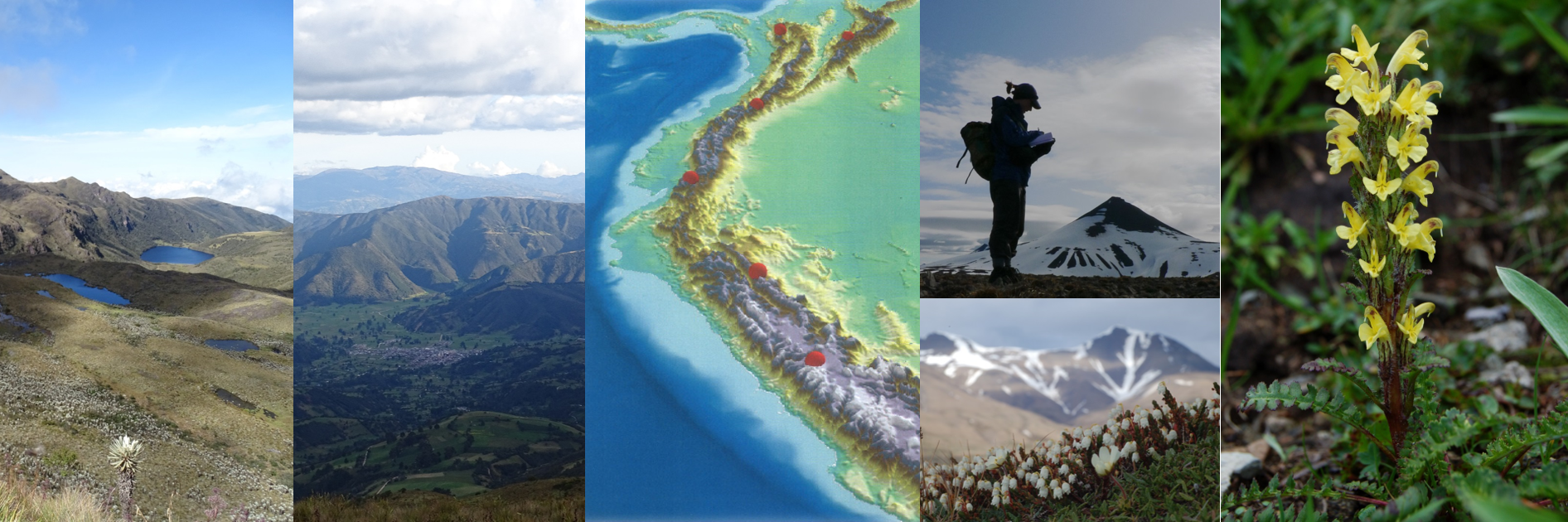
 Ecology of the past