Media articles

Relics discovered in Mexico’s Teotihuacan, BBC News

Tree of the year finalists announced, BBC News

Journal articles

Kessler, M., Toivonen, J.M., Sylvester, S.P., Kluge, J. & Hertel, D. (2014) Elevational patterns of Polylepis tree height (Rosaceae) in the high Andes of Peru: role of human impact and climatic conditions. Frontiers in Plant Science: Functional Plant Ecology 5, Article 194.

Sylvester, S.P., Sylvester, M.D.P.V. & Kessler, M. (2014) Inaccessible ledges as refuges for the natural vegetation of the high Andes. Journal of Vegetation Science 25, 1225-1234.

Keller, A., Danner, N., Grimmer, G., Ankenbrand, M., von der Ohe, K., von der Ohe, W., Rost, S., Härtel, S. & Steffan-Dewenter, I. (2014) Evaluating multiplexed next-generation sequencing as a method in palynology for mixed pollen samples. Plant Biology online.

Cultural differences: archaeology and palaeoecology

October 1, 2013
WDG

Human modification of the landscape in the Andes (Peru)

Human modification of the landscape in the Andes (Peru)

Whilst working on intergrating palaeoecological and archaeological data for a recent publication (Gosling & Williams, 2013) I was struck by the range of sources I had to go to to obtain data from the two different disciplines. The paper focuses on the how societies in the high Andes have developed over the last 5000 years and the role, if any, that changes in natural resource (ecosystem service) avaliability might have played in pacing any societal changes. However, when I got the first set of review comments back I was left considering my (academic) resource base, how I accessed this, and how that influenced my ability to conduct research; especially when moving slightly outside the area of my specialism.

Continue Reading

Ecosystem service provision sets the pace for pre-Hispanic societal development in the central Andes

July 31, 2013
WDG

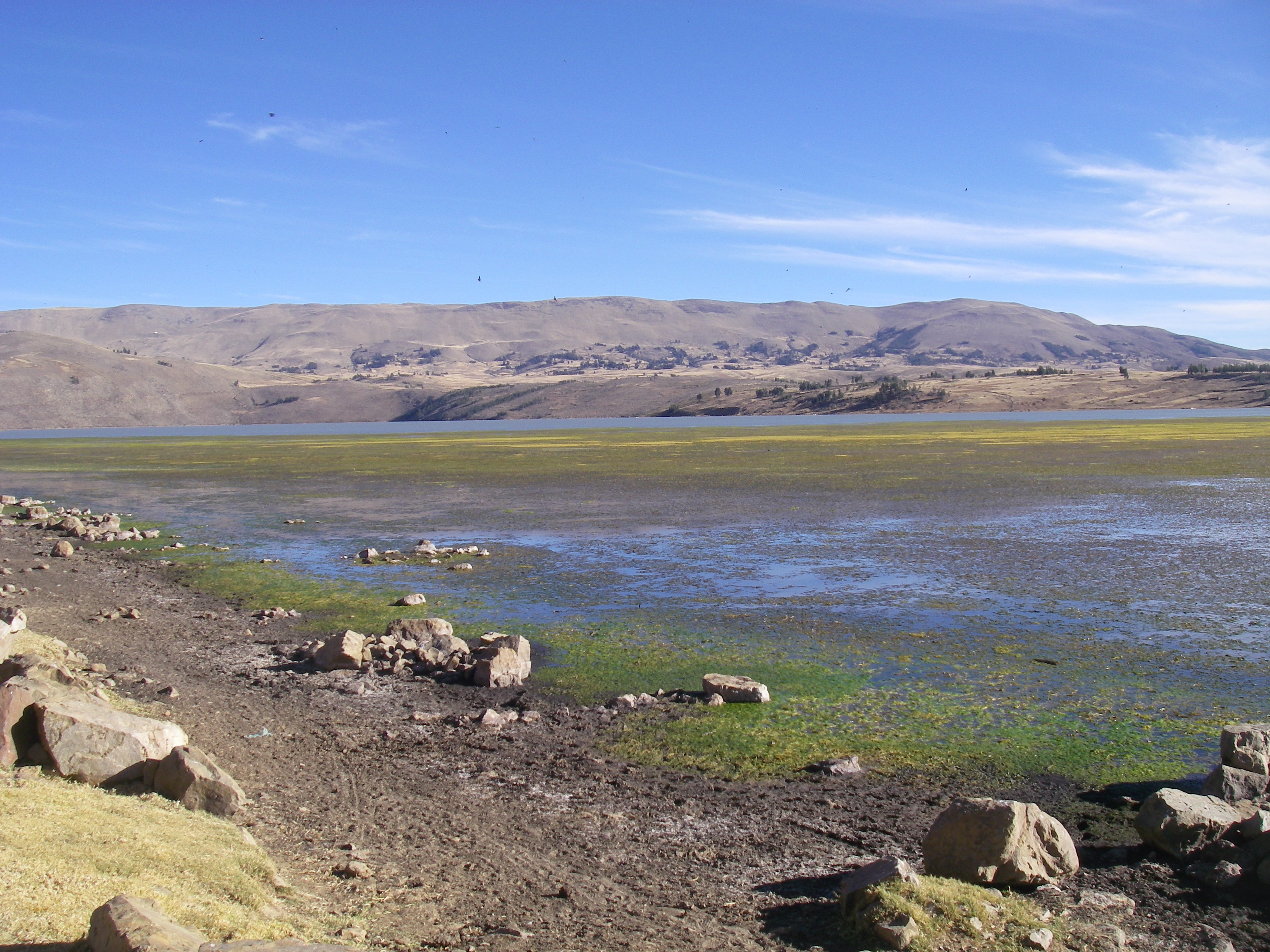
Water resources in the Vacas region (near Cochabamba, Bolivia) deminished around the time of the founding of the urban centre at Tiawanaku

Water resources in the Vacas region (near Cochabamba, Bolivia) deminished around the time of the founding of the urban centre at Tiawanaku

Gosling, W.D. & Williams, J.J. (2013) Ecosystem service provision sets the pace for pre-Hispanic societal development in the central Andes. The Holocene, 23(11): 1617-1622. doi: 10.1177/0959683613496296

Click here to download an open access version of this manuscript via The Open University Open Reseach Online repository.

PCRG January

January 31, 2013
WDG

BES centenary logo

We are taking the BES festival of ecology to music festivals in 2013! “Tell me when”… you’d better read the blog!

January seems to have flown past and has been another active month. With group members variously involved in:

Continue Reading

Amazonia before Columbus

May 16, 2012
WDG

Centre for Earth, Planetary, Space & Astronomical Research invited lecture

Amazonia before Columbus – Virgin Wilderness or Domesticated Landscape?
Francis Mayle (University of Edinburgh)
Tuesday 22nd May, 11.15am
The Open University, Milton Keynes

Abstract
Amazonia has long been considered to be a pristine wilderness, largely untouched by human activity, supporting small, scattered indigenous tribes living in harmony with their rainforest environment.
However, recent discoveries of massive geometric earthworks, revealed by deforestation in recent decades, are challenging this ‘virgin wilderness’ paradigm and pointing to substantially greater environmental impacts by pre-Columbian societies than previously supposed.
In my talk I review these archaeological discoveries and discuss how a combined palaeoecological-archaeological approach has the potential to resolve the scale of environmental land use and disturbance associated with these ancient cultures.  I also consider the implications of these findings for understanding rainforest ecology and biodiversity, as well as conservation policy.

If you are external to The Open University and wish to attend this lecture please contact William Gosling in advance.

Click here to find out about CEPSAR seminars

Blog at WordPress.com.