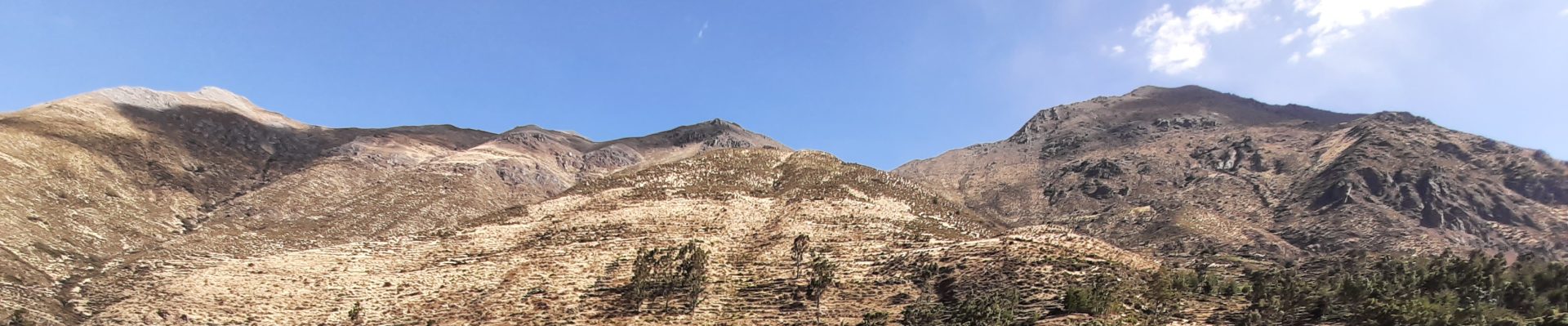
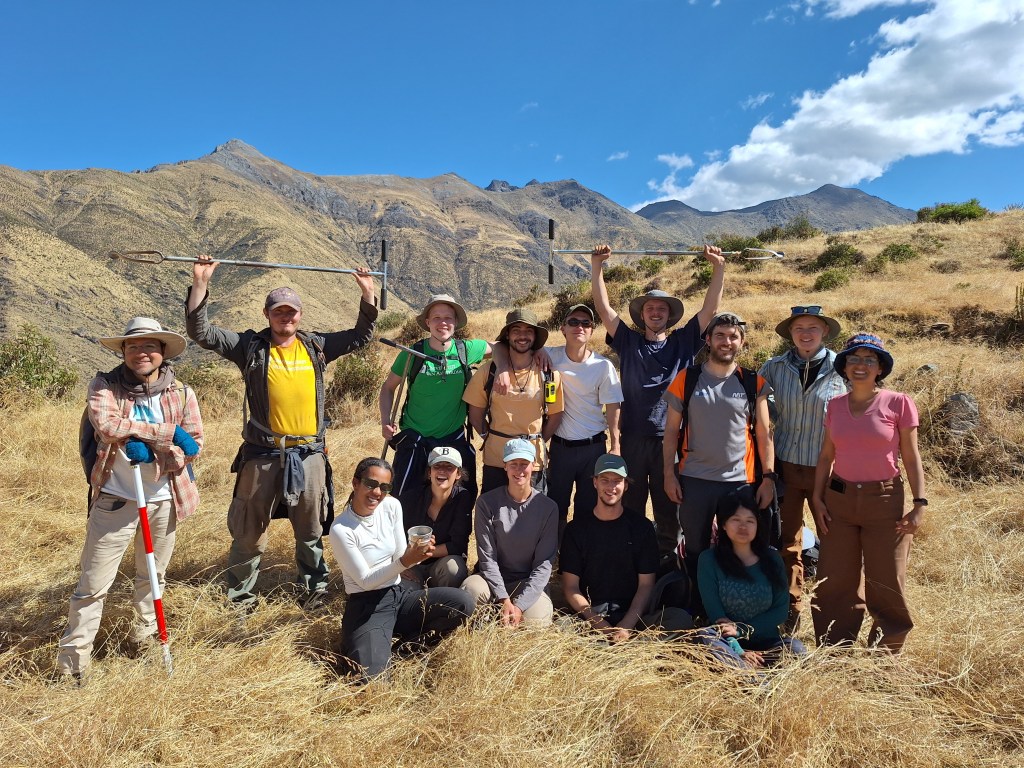
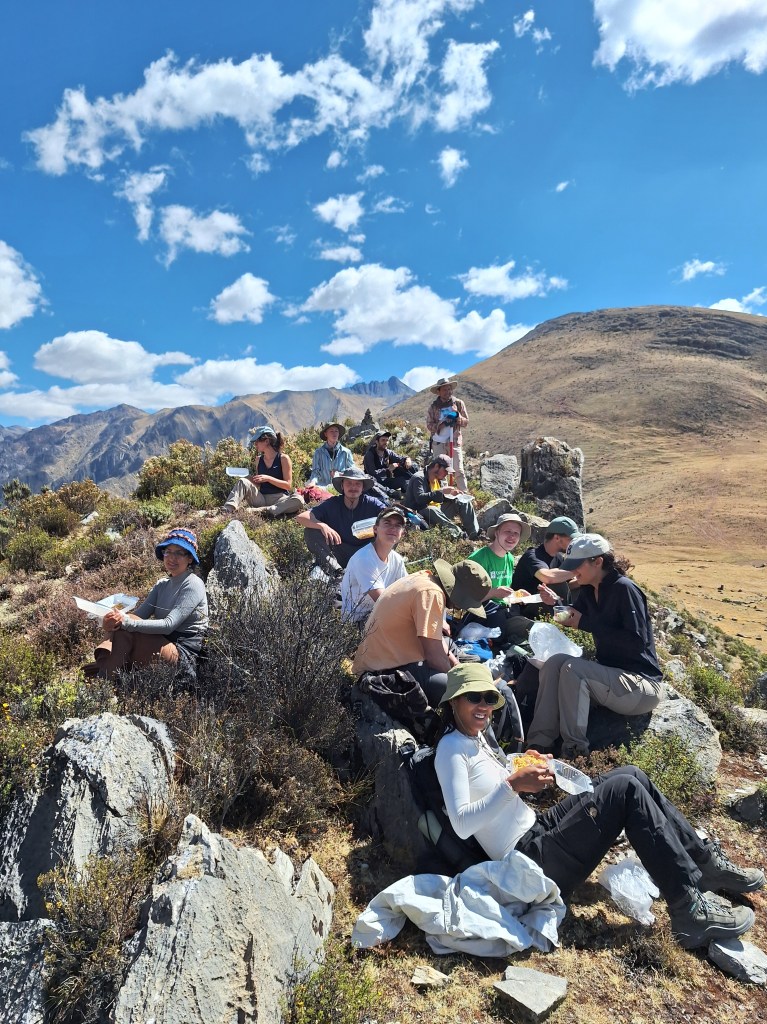
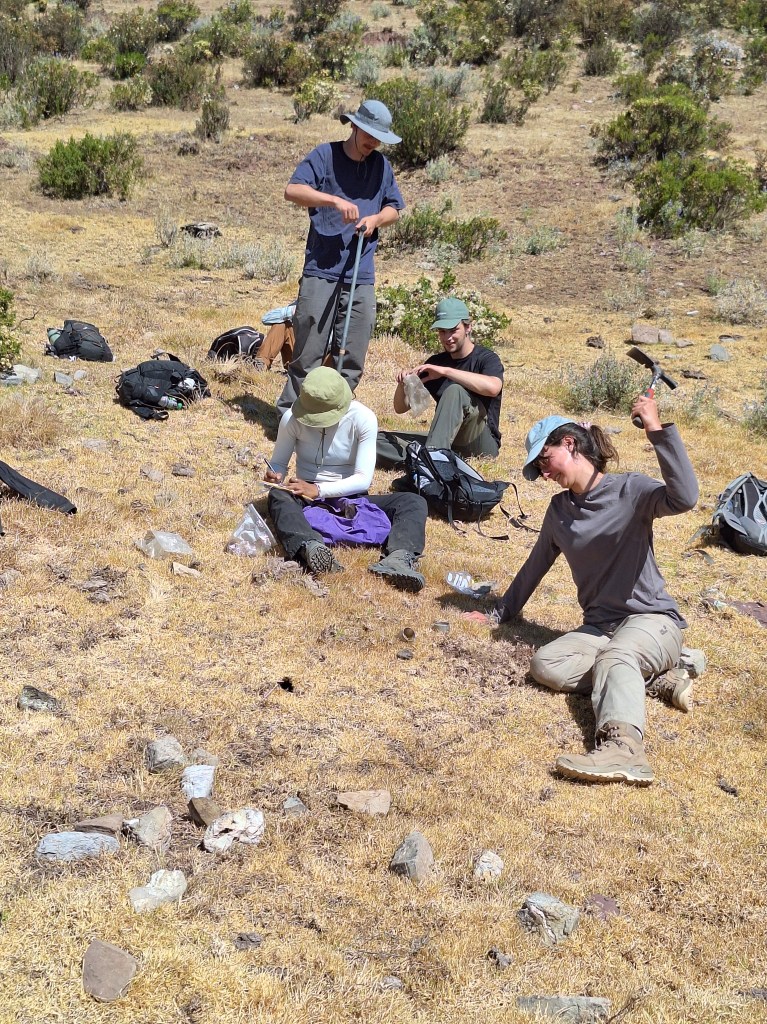
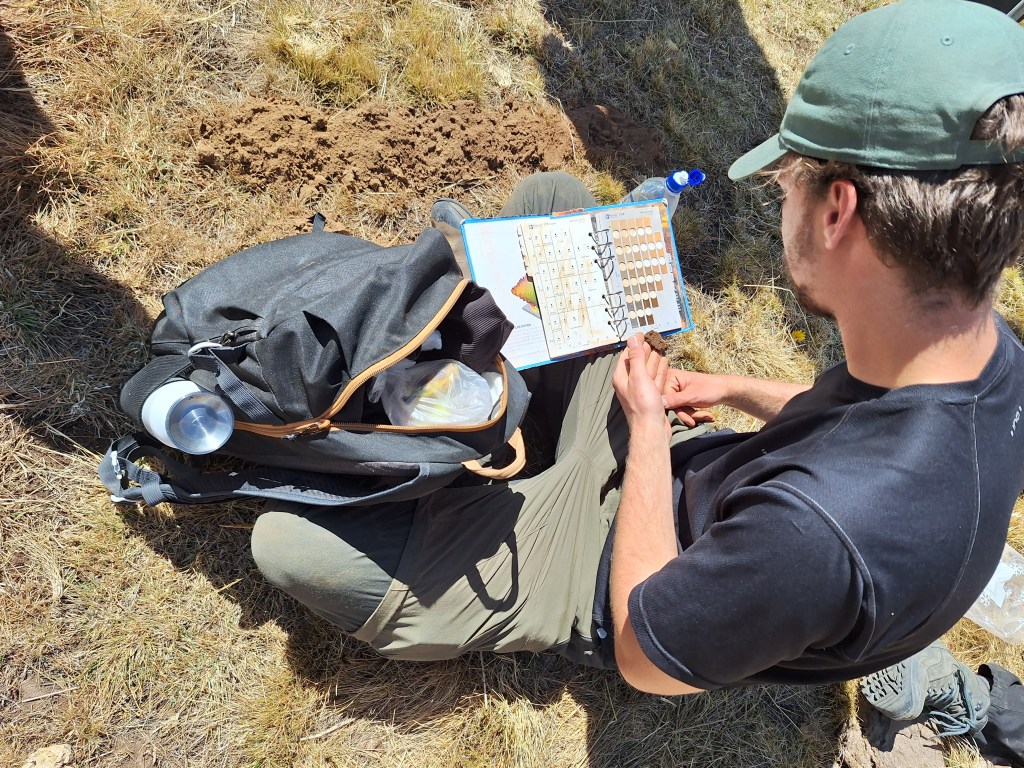
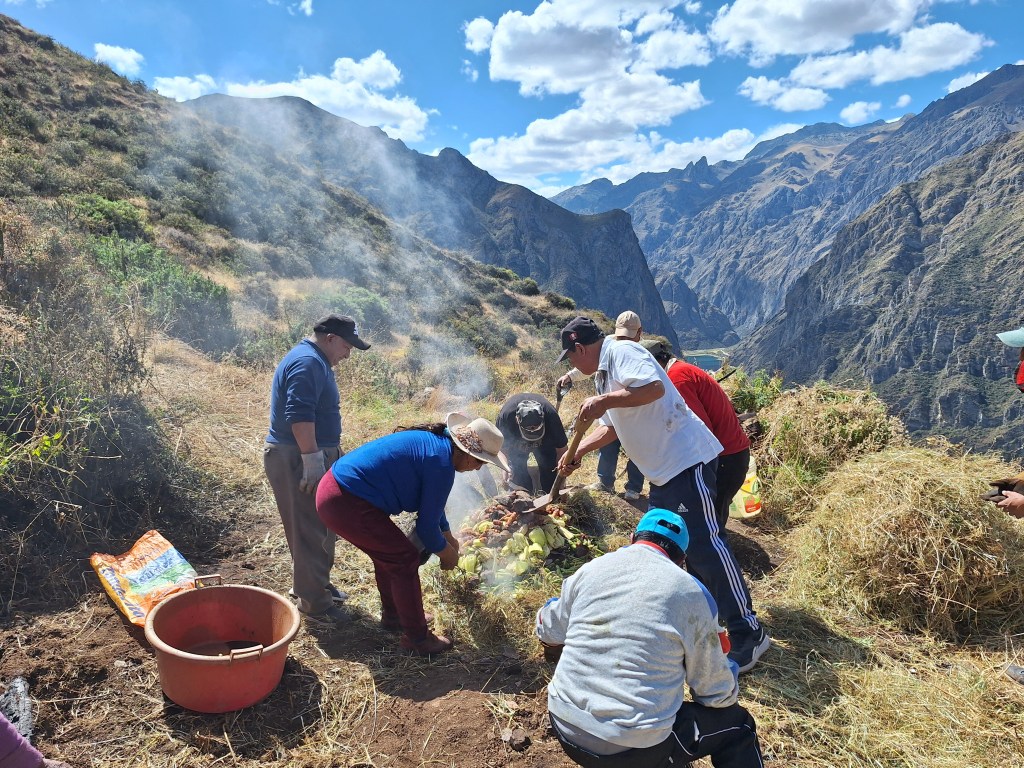
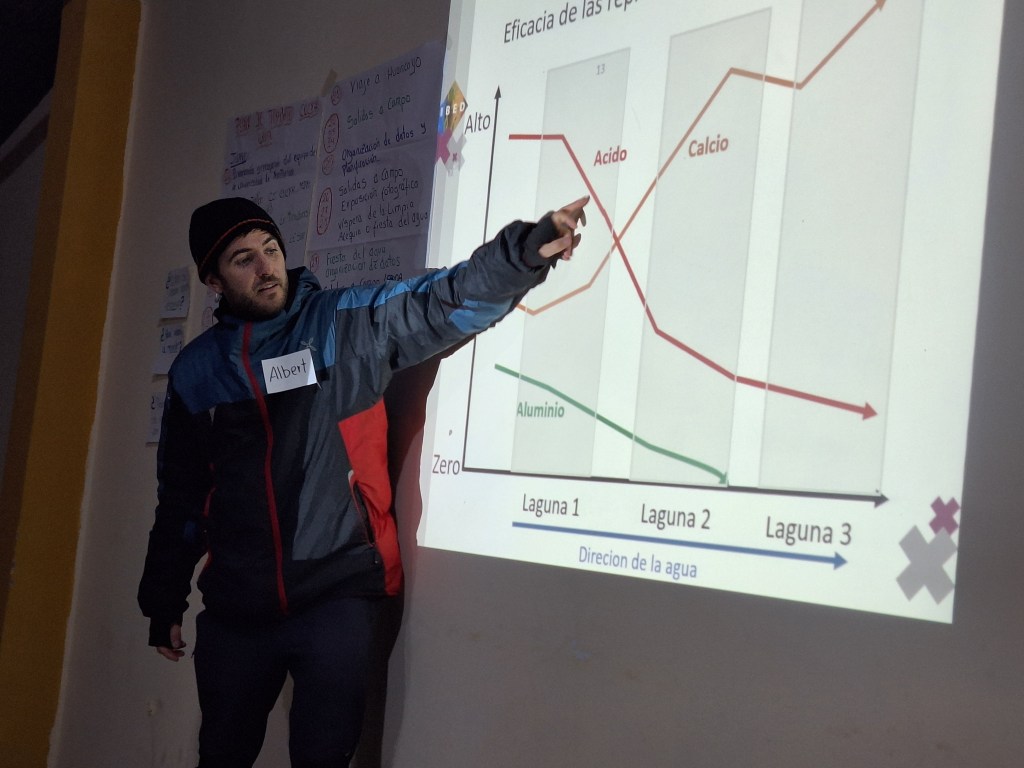
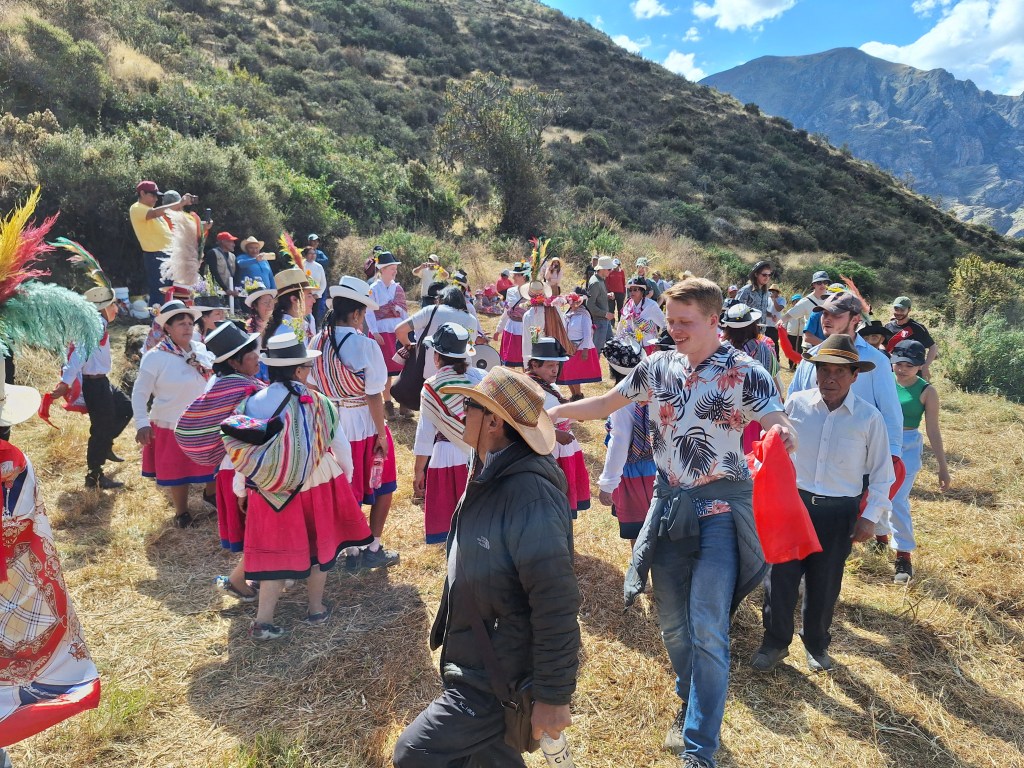
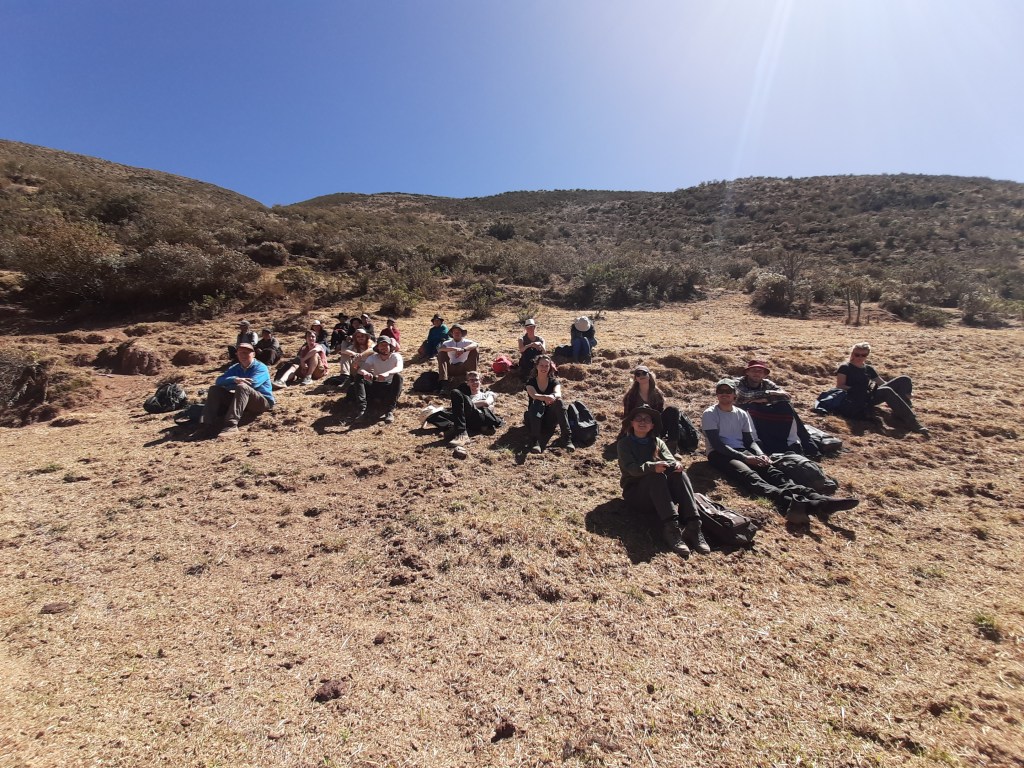
The University of Amsterdam MSc Earth Sciences “Geoecological Systems” field course took place this year in Miraflores (Peruvian Andes) during June and July. Eighteen students, including three from Peruvian institutions, spent four weeks exploring the high Andes. During this time the students developed scientific projects to address interests of the local population related to soil quality, environmental pollution, water resources and cultural heritage. Access to the area and embedding within the community was enabled by The Mountain Institute Peru. During the course the students gained extensive ‘hands on’ field experience, developed teamworking skills and discovered the benefits of a participatory approach to research.
This course runs once every two years (to find out about the 2022 expedition click here). Want to join us on a future expedition? Check out our degree program here to enroll.
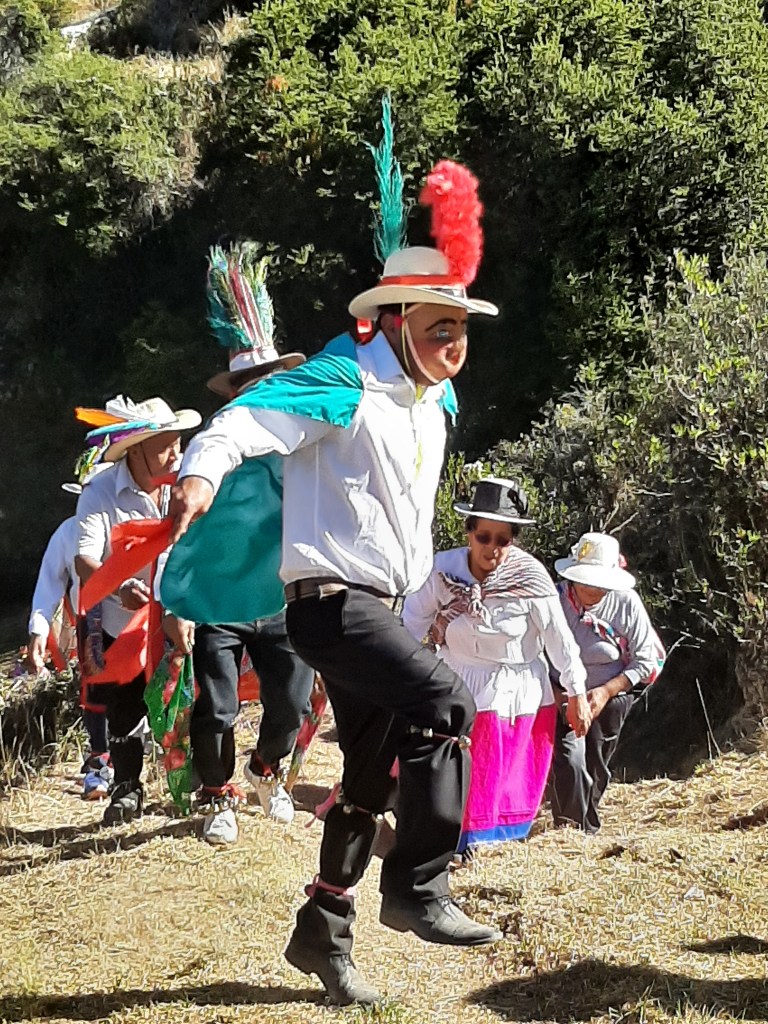
Images from the University of Amsterdam Peru field course 2024
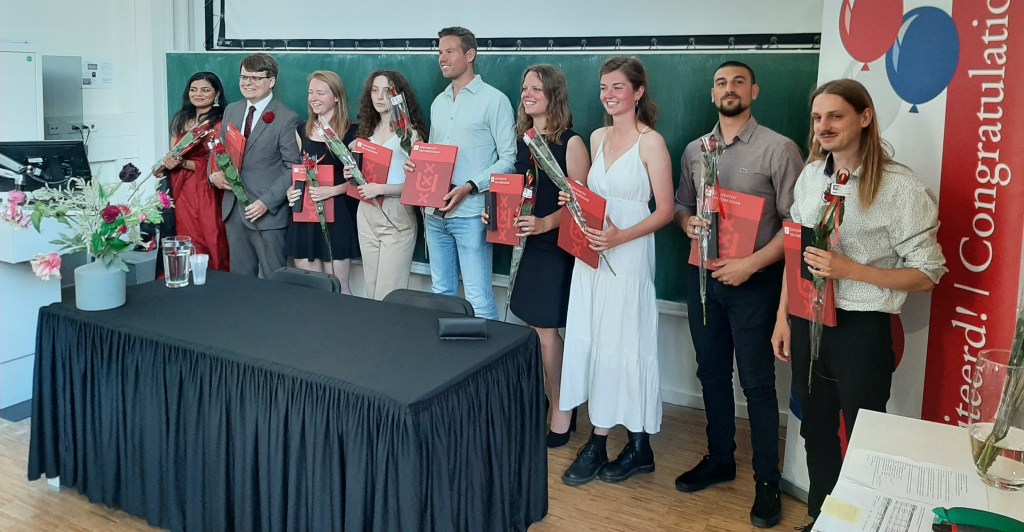
Yesterday evening, in my capacity as chair of the exam board MSc Earth Sciences, I had the pleasure of handing out degree certificates to graduates of both our Earth Science and Biological Science programs. It was unusual to have a combined event, but very nice given that I teach on both programs. It was great to meet up with some familiar faces and recount tales from past courses, notably the Field Course “Geoecological Systems”, and the associated adventures in the high Andes, came up a number of times! It was impressive to note the span of the research projects that students had been engaged with; from molecular biology to carbon cycle dynamics, and environmental policy. I think that all concerned had a great time at the ceremony, and throughout their studies at the University of Amsterdam. Congratulations again to all!
If you are interested to also become a happy graduate in a few years time sign up online for programs starting in September 2023:
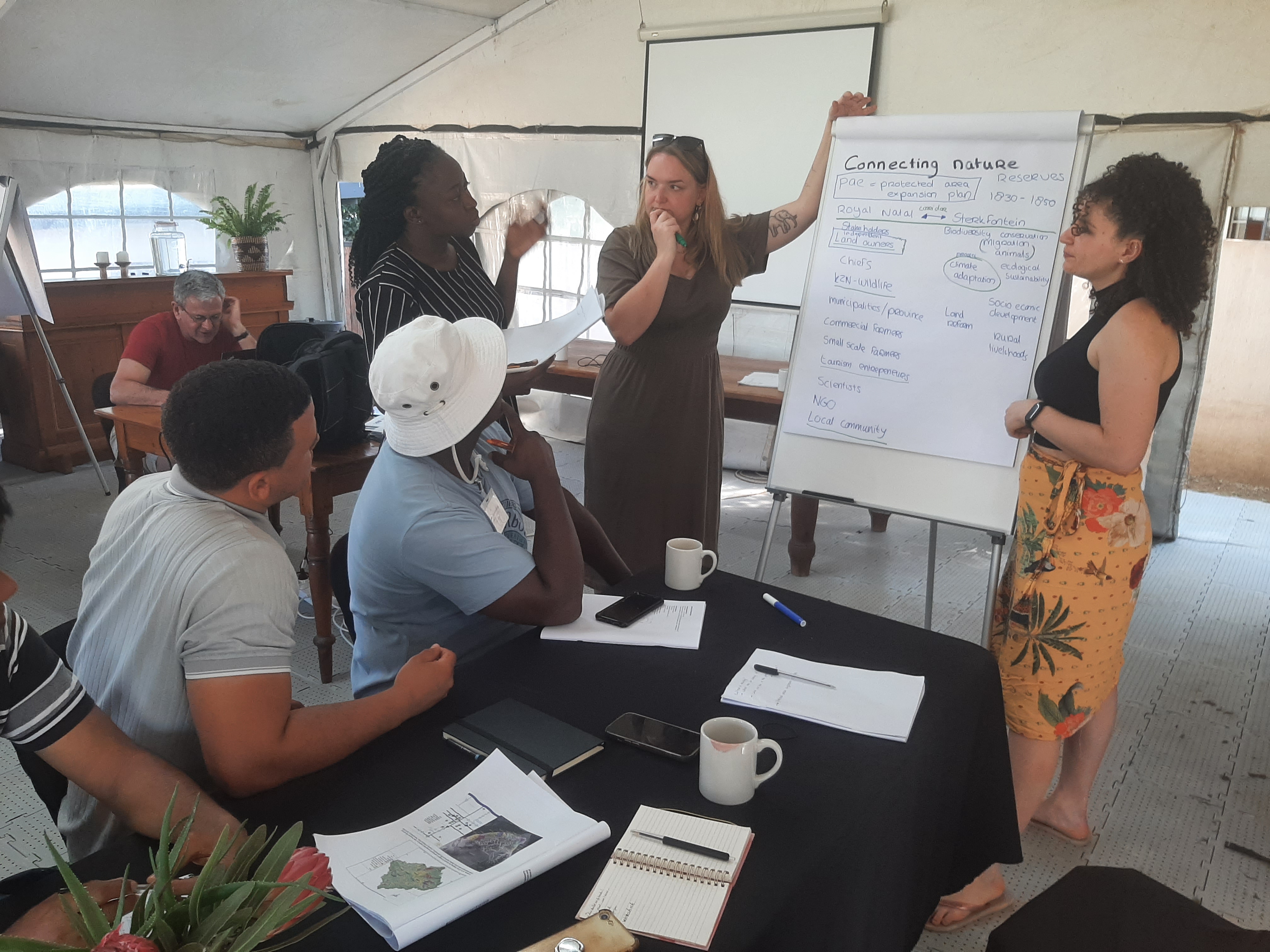
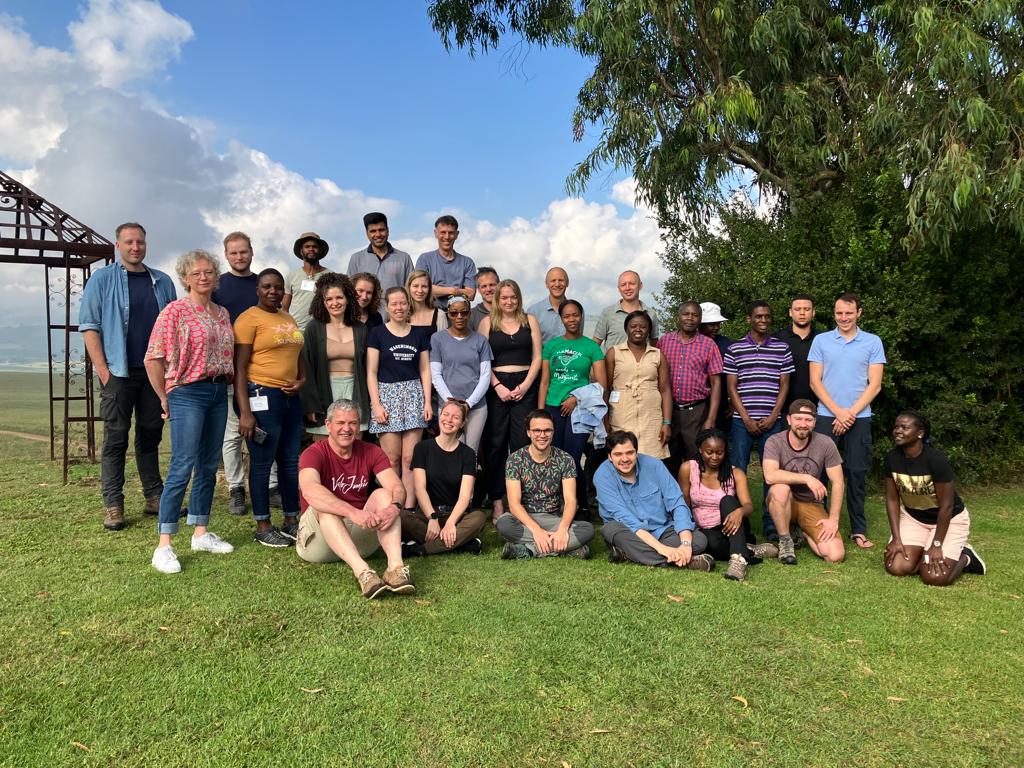
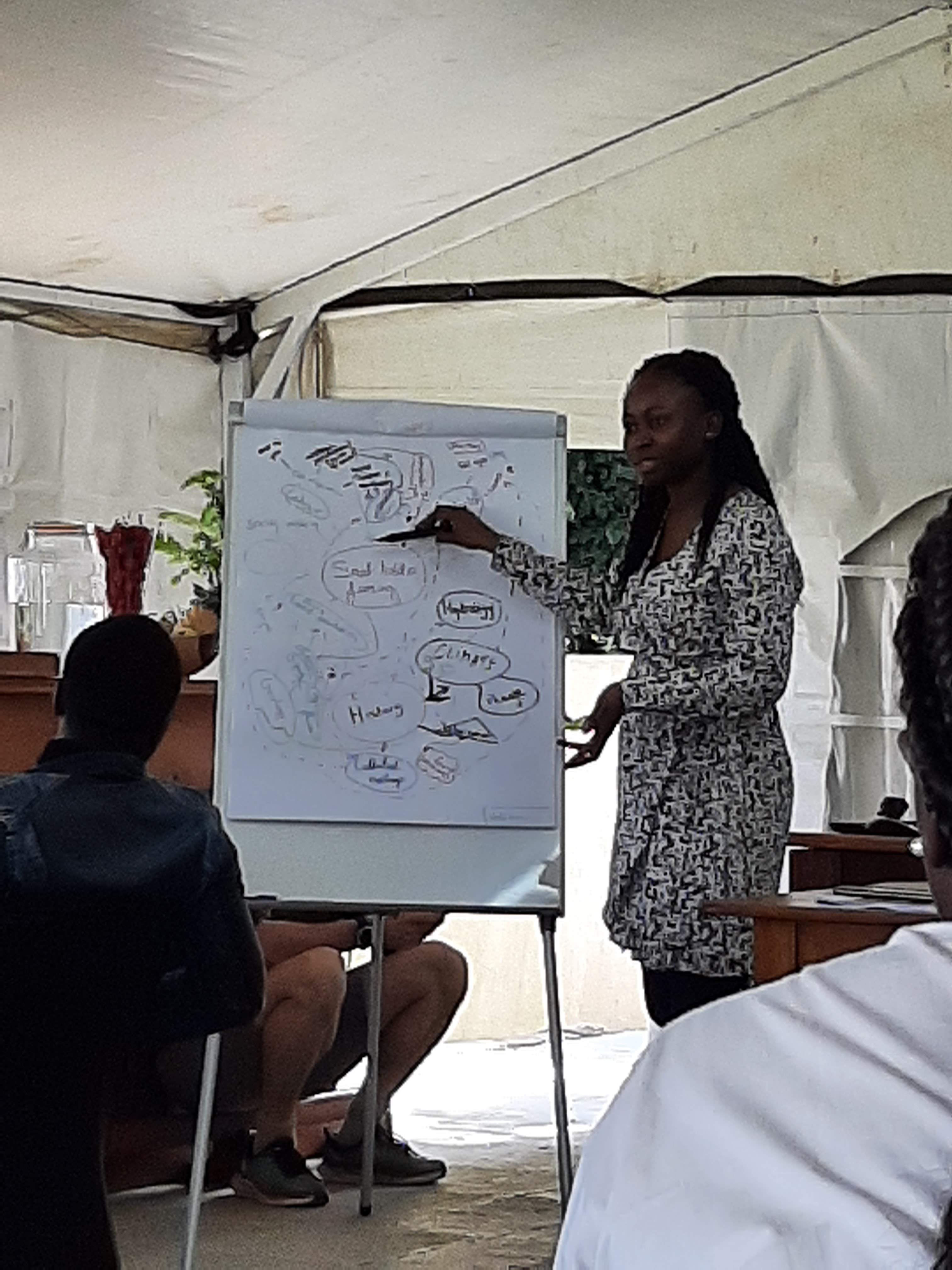
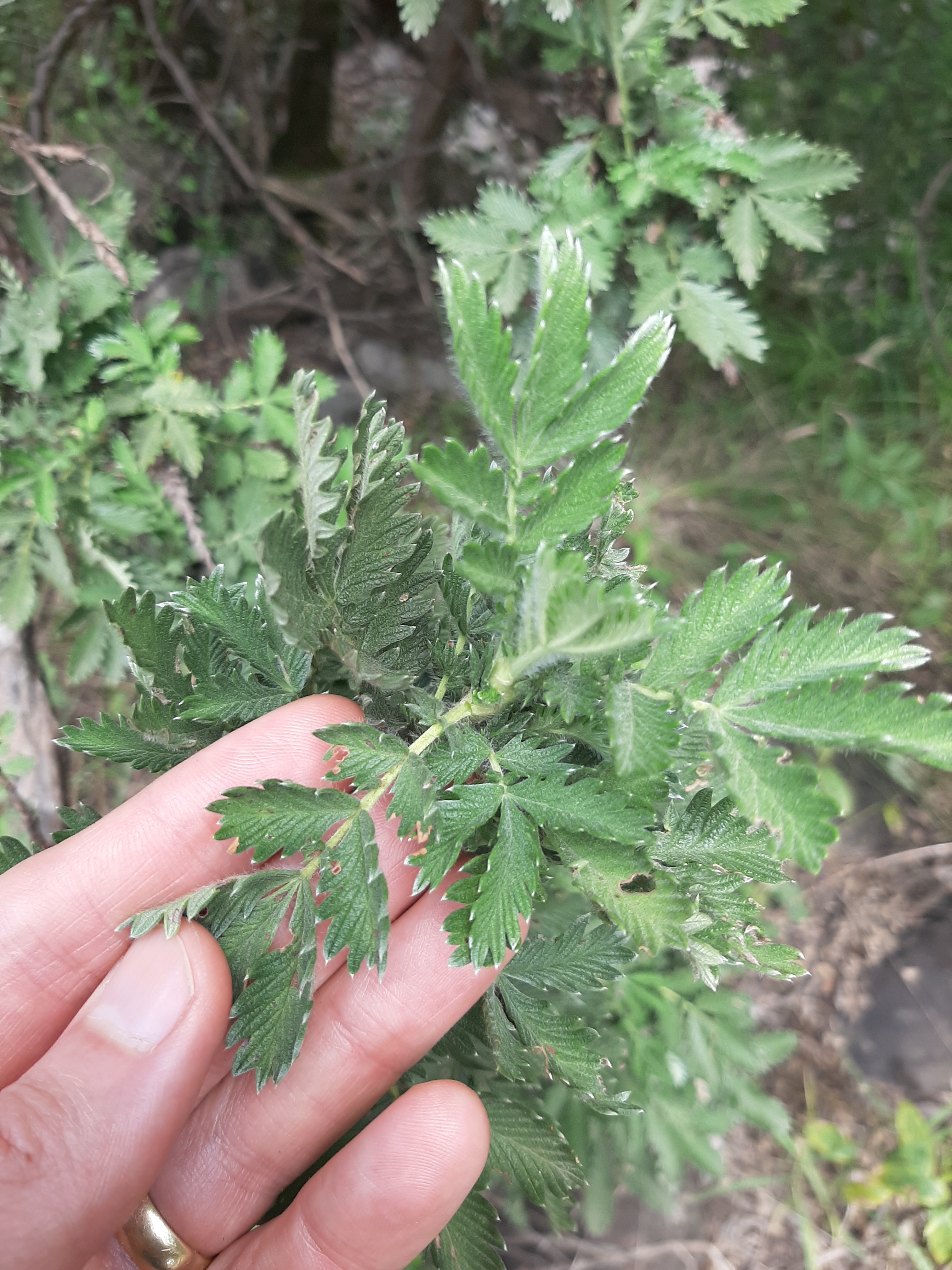
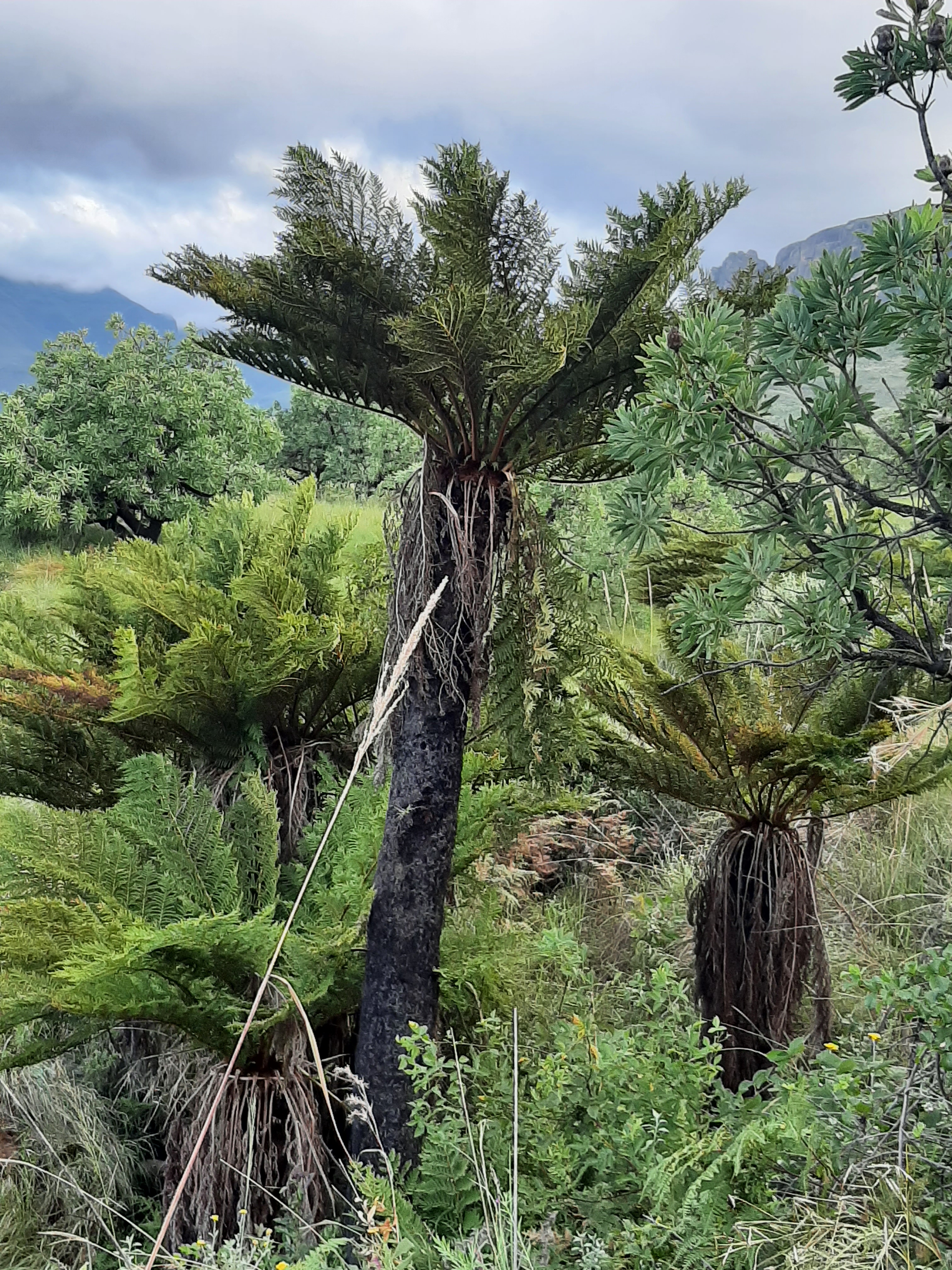
The course “Landscape Dynamics in an era of change: Learning from the past to face the future” took place in the Drakensberg Mountains of South Africa between 5 and 15 March 2023. The course was run by the Graduate School for Production Ecology and Resource Conservation (PERC) and participants were drawn from universities in the Netherlands and South Africa. The main goal of the course was to investigate the past and current dynamics of the region and predict possible futures in an inter- / trans-disciplinary context. Consequently the content of the course was incredibly diverse including: geology, geomorphology, palaeoecology, cultural history, vegetation studies, soil science, farming systems and forestry. These topics were integrated into four group projects centered on invasive species, rewilding, commercial farming and small scale farming.
The University of Amsterdam MSc Earth Sciences “Geoecological Systems” field course to Peru took place this year during June and July (2022). A team of 18 students and 4 staff spent four weeks in Miraflores Town (c. 3700 m above sea level) working with, and for, local communities to study geomorphology, geology, land-use, water quality and carbon storage. The students were organized into teams of 3 or 4 each of which tackled a research question in the nearby landscapes that had been developed in conjunction with the local community. Access to the area and embedding within the community was enabled by The Mountain Institute Peru. The student reports will be translated into Spanish who will communicate findings to the community in Miraflores Town.
Want to join us on a future expedition? Check out our degree program here to enroll.
University of Amsterdam MSc Earth Sciences field course to Peru 2022Continue Reading
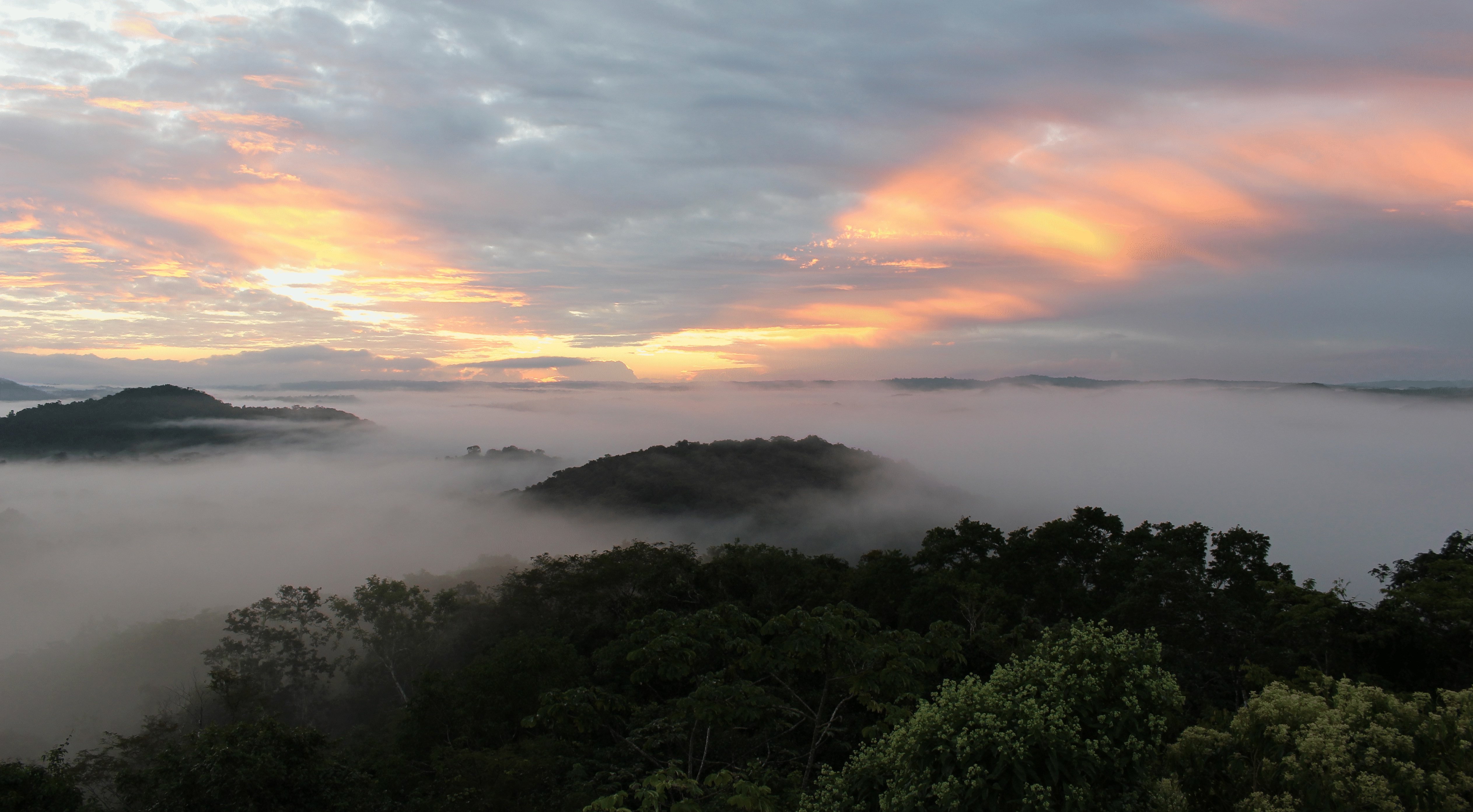
Getting back to the UK after fieldwork is always jarring and this time is certainly no different, the change from 32°C days walking through the savanna and lowland forests of Belize to the -2°C early mornings walking through snow in Milton Keynes is an abrupt transition. I have recently returned from a 2 week field course in tropical botany run by the Royal Botanic Garden Edinburgh (RBGE) in conjunction with their MSc course on the ‘Biodiversity and Taxonomy of Plants’. The field course allowed for 10 NERC funded PhD students in relevant fields to accompany the MSc students out to Belize to learn a host of valuable skills in tropical botany and ecology. During our time in Belize we visited 2 main locations, Las Cuevas Research Station within the Chiquibul forest reserve and the Rio Bravo Conservation and Management Area (RBCMA), in my next two posts I will briefly cover the places we visited and the botany we learned.
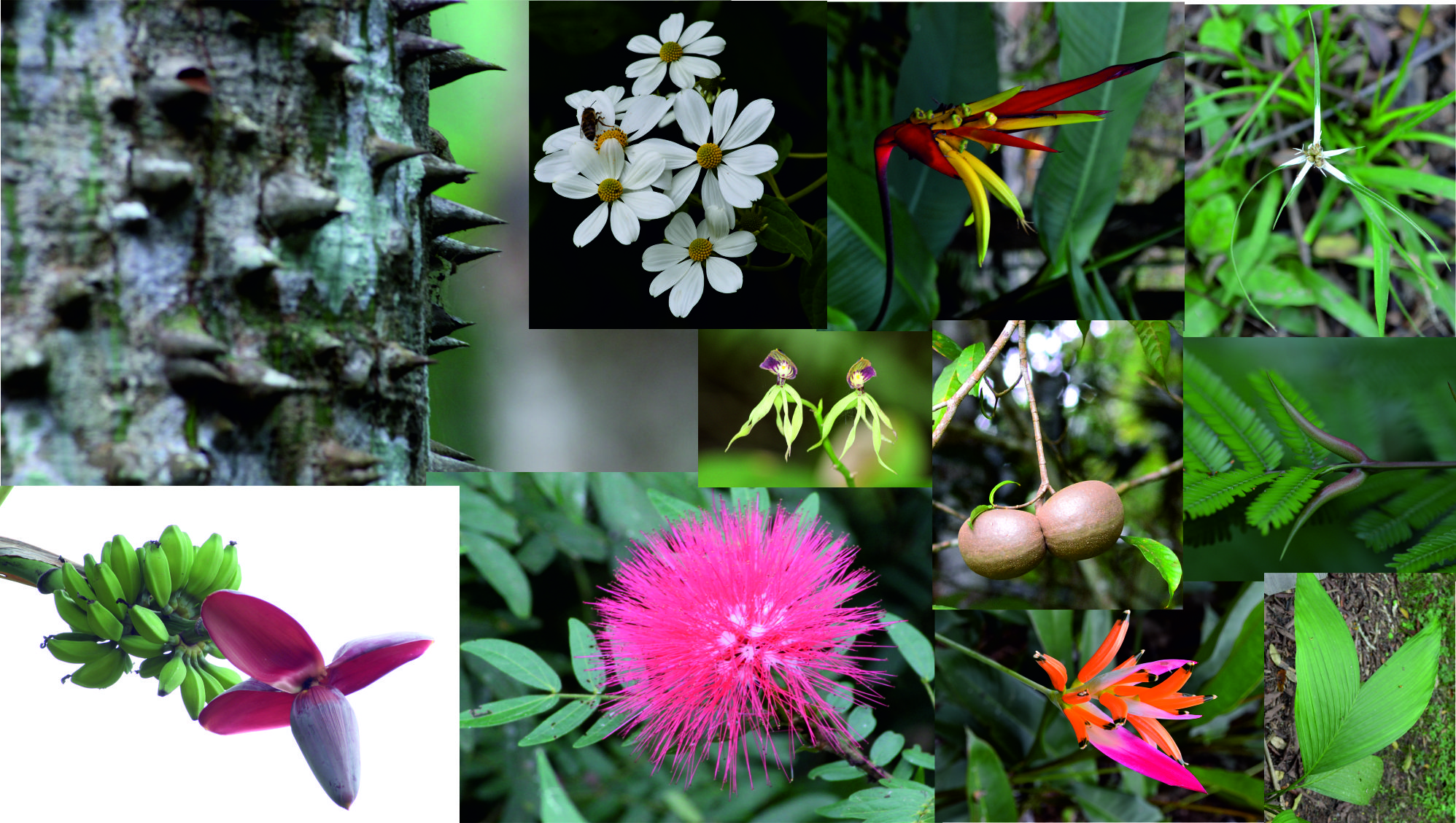
A very small selection of the plants we sampled and identified during the course (Photographs by Anna Turbelin and Nick Loughlin)
Before I get going I would just like to thank all of the staff from the RBGE who led the field course, (David, Louis, Tiina, Becky, Chris and Helen) their ability to teach the major characteristics of 70+ tropical families to many of us who are not botanists or taxonomists in an engaging way was astounding, although I don’t believe I will ever be able to identify a Euphorbiaceae from its vegetative characteristics. Also thanks to the students from the MSc course who were great fun, if any of you move away from botany and taxonomy and want more of an idea about the world of tropical palaeoecology, give me a shout.
On our way to see the Mayan ruins at Xunantunich (Photograph by Anna Turbelin)






















 Ecology of the past