Palaeoecology, Mauritius on fire & science communication
November 24, 2020
November 24, 2020
November 20, 2020
This year my contribution to the Science in Archaeology course (VU Amsterdam) was done online due to the COVID-19 restrictions. The course comprised live online lectures, pre-recorded video clips and case study discussions. The focus was how to detect past human impacts on the landscape and we explored many proxies including: charcoal, diatoms, egg shells, non-pollen palynomorphs, phytoliths, and pollen. In the final session of the humans impacts section of the course each student presented a case study paper that they had chosen. Here is what they chose:
November 16, 2020
This note is to acknowledge the passing yesterday of one of the most influential figures in the fields of palynology and palaeoecology, Eric Grimm. While I did not know Eric well he did visit Amsterdam twice in recent years. Firstly, as part of a collaborative initiative to digitise pollen data from the University of Amsterdam archives (March-July 2017), and secondly to train Data Stewards for the African Pollen Database (January 2020). During these visits Eric was generous with his time, masterful with his knowledge, and infectious with his enthusiasm. He will be sadly missed. My deepest condolences to his family and friends. Rest in peace Eric.
Some photos from the meeting in January
November 13, 2020
Teunissen van Manen, Milan L, Jansen, B., Cuesta, F., León-Yánez, S. & Gosling, W.D. (2020) From leaf to soil: n-alkane signal preservation, despite degradation along an environmental gradient in the tropical Andes. Biogeosciences Discussions 17, 5465–5487. https://doi.org/10.5194/bg-17-5465-2020
October 8, 2020
Willem Renema, head of the Marine Biodiversity research group at Naturalis, has been appointed as a Special Chair in Marine Palaeobiodiversity within the Department of Ecosystem & Landscape Dynamics at the University of Amsterdam. I am delighted that Willem has joined the team coupling his expertise in marine tropical systems with our existing focus on terrestrial tropical settings will, I am sure, provide many new avenues of scientific endeavour. Catalysing collaboration between Naturalis and UvA will be five PhD researchers, employed on the Marie Skłodowska-Curie Innovative Training Network, who will be jointly supervised by Naturalis and UvA staff.
September 30, 2020
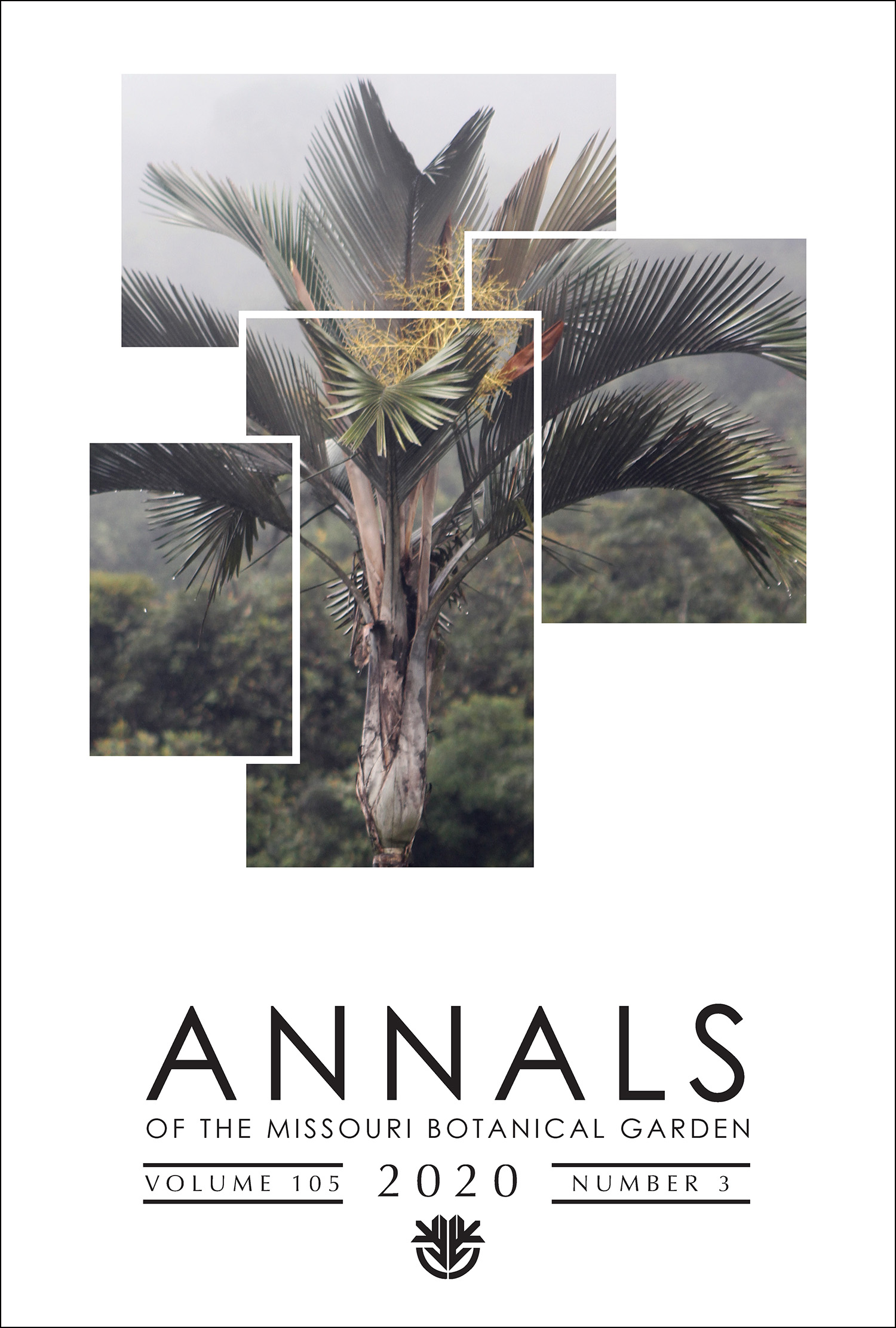
Bush MB. 2020. New and repeating tipping points: The interplay of fire, climate change, and deforestation in Neotropical ecosystems. Annals of the Missouri Botanical Garden 105:393-404. DOI: 10.3417/2020565
September 29, 2020
McMichael CNH. 2020. Ecological legacies of past human activities in Amazonian forests. New Phytologist. DOI: 10.1111/nph.16888
September 28, 2020
Do you have a PhD in Physical Geography, Environmental Sciences, Landscape Ecology or Soil Ecology? Have you got educational and research experience working with digital data to contribute to climate, geographic or biodiversity science? If so please consider applying for the 4-year post-doctoral position “Digital Environmental Sustainability” currently available within the Department of Ecosystem & Landscape Dynamics (Institute for Biodiversity & Ecosystem Dynamics, University of Amsterdam).
Closing data: 29 November 2020
For full information click here.
August 11, 2020
In search for the historical roots of grasses: A review of Neogene grass history in the Amazon drainage basin
Corresponding article: Kirschner, J. A., & Hoorn, C. (2019). The onset of grasses in the Amazon drainage basin, evidence from the fossil record. Frontiers of Biogeography. DOI: 10.21425/F5FBG44827
August 4, 2020
Within the overarching context of Plant Ecology & Diversity the “Global change & vegetation dynamics” subject area aims to place a temporal component on key themes such as biodiversity, conservation and ecosystem function. Manuscripts are welcome that use long-term (palaeo-) ecological approaches, modern field observations and laboratory experiments, and computational modelling to explore change and dynamics within ecosystems. We welcome all formats of manuscripts to this section (original research articles, rapid communication articles, review articles, and perspectives articles). If you have any questions about the potential suitability of your research in the journal please do not hesitate to get in contact.
The editorial team handling this section of the journal currently comprises myself as Subject Editor and six Associate Editors. To find out more about us, our research interests and expertise read on…