The sixth Mapping Ancient Africa online seminar took place on Thursday 6 October 2022. The seminar was delivered by Verena Foerster (Universität zu Köln) and showcased her new publication entitled: Pleistocene climate variability in eastern Africa influenced hominin evolution.
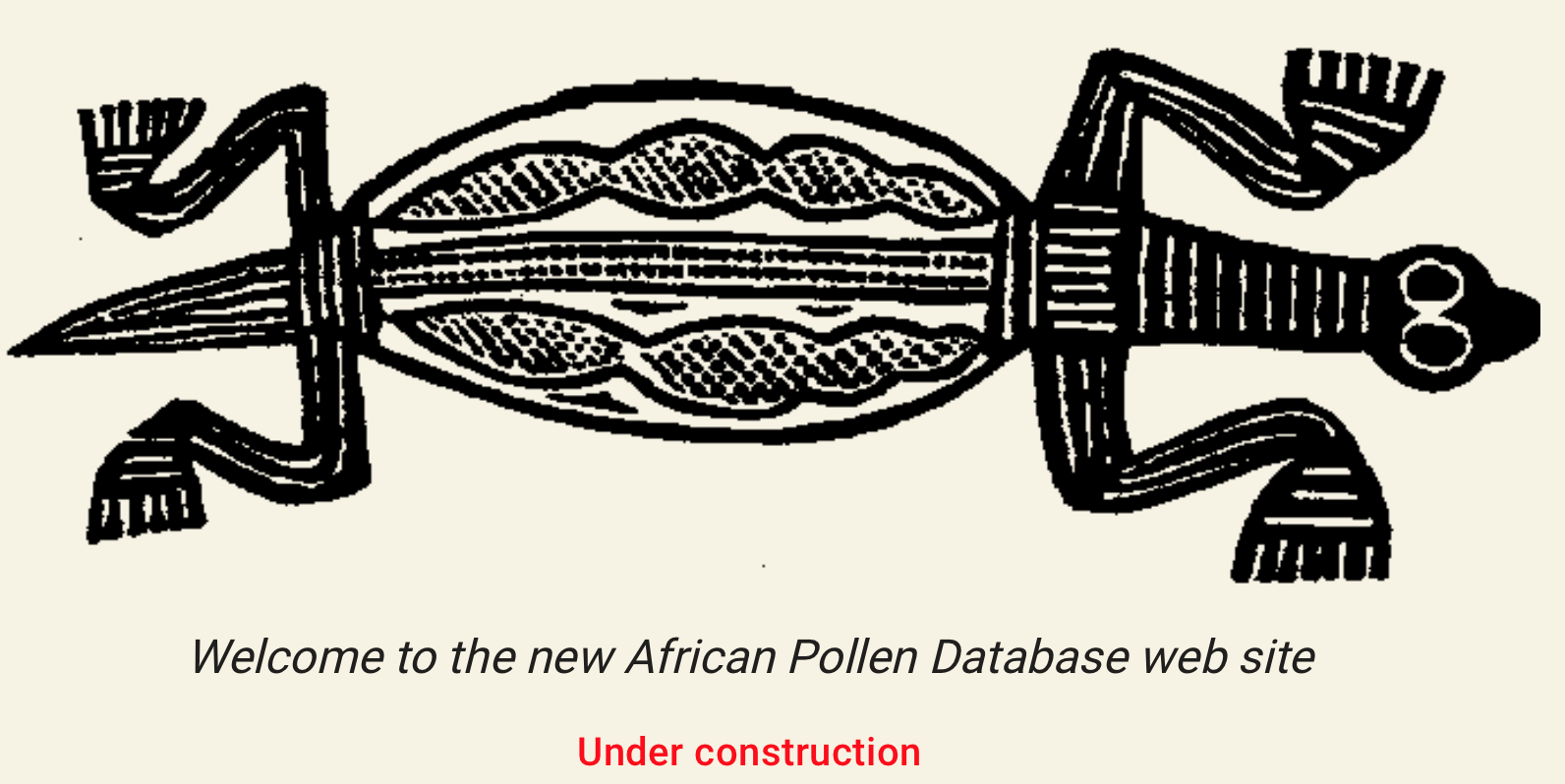
The fifth Mapping Ancient African project took place on Monday 11 April 2022 and focused on the African Pollen Database and past vegetation change in Africa.
The seminar was delivered by Sarah Ivory (Penn State University), Rahab Kinyanjui (National Museums of Kenya), and Lynne Quick (Nelson Mandela University). The seminar covers the principles behind and the working of the African Pollen Database (why make data openly available?) and the latest advances in eastern and southern Africa.
For more about the African Pollen Database check out:
The fourth of a seminars in the Mapping Ancient African project took place on Tuesday 1 March 2022 and was given by Minchao Wu (Uppsala University). You can watch the seminar now on the Ecology of the Past YouTube channel. Seminar details can be found here.
New sediment coring videos from Lynne Quick and her team at Nelson Mandela University. Find out more about their work on Twitter (@The_Palaeolab) and on their Palaeoecology Lab web pages.
Nelson Mandela University’s Palaeoecology Research Group: Sediment coring fieldwork campaign to the Zuurberg Mountains, Eastern Cape, September 2021. Enjoy…
The third of a seminars in the Mapping Ancient African project took place on Monday 17 January 2022 and was given by Emmanuel Ndiema (National Museums of Kenya). You can watch the seminar now on the Ecology of the Past YouTube channel. Seminar details can be found here.
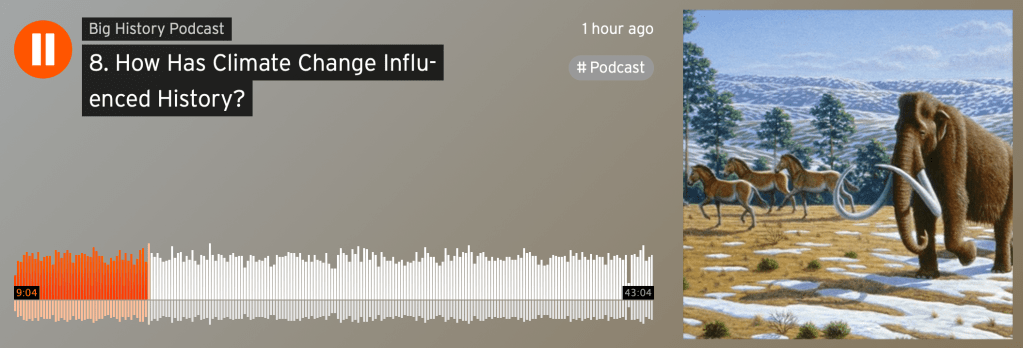
As part of the (on-line) bachelor level “Big History” course from the Institute for Interdisciplinary Studies at the University of Amsterdam I recently recorded a podcast with Henry Hooghiemstra. Under the banner of “How Has Climate Change Influenced History?” among other things we discussed: (i) the principles of how we can obtain information on past climatic and environmental change, (ii) how global climate changed between cold (glacial states) and warm (interglacial states) during the last 2.6 million years (Quaternary), and (iii) past human impacts and influences on environmental and climatic change.
Palaeoecology and past environmental research central to the work at the Institute for Biodiversity & Ecosystem Dynamics (University of Amsterdam); check out the new institute video, spot the palaeoecology researchers, and see what else is going on at IBED:


 Ecology of the past