All applications must be pre-approved by the host institution so if you are interested in applying for a project through The Open University expressions of interest are required by 25th January 2013.
Two NERC algorithm funded PhD studentships are currently available with the PCRG. The projects are focused on understanding past environmental change in west tropical Africa and Amazonian-Andean Ecuador. Both projects will involve field work and build on on-going research within the lab.
Closing date 31/01/2013
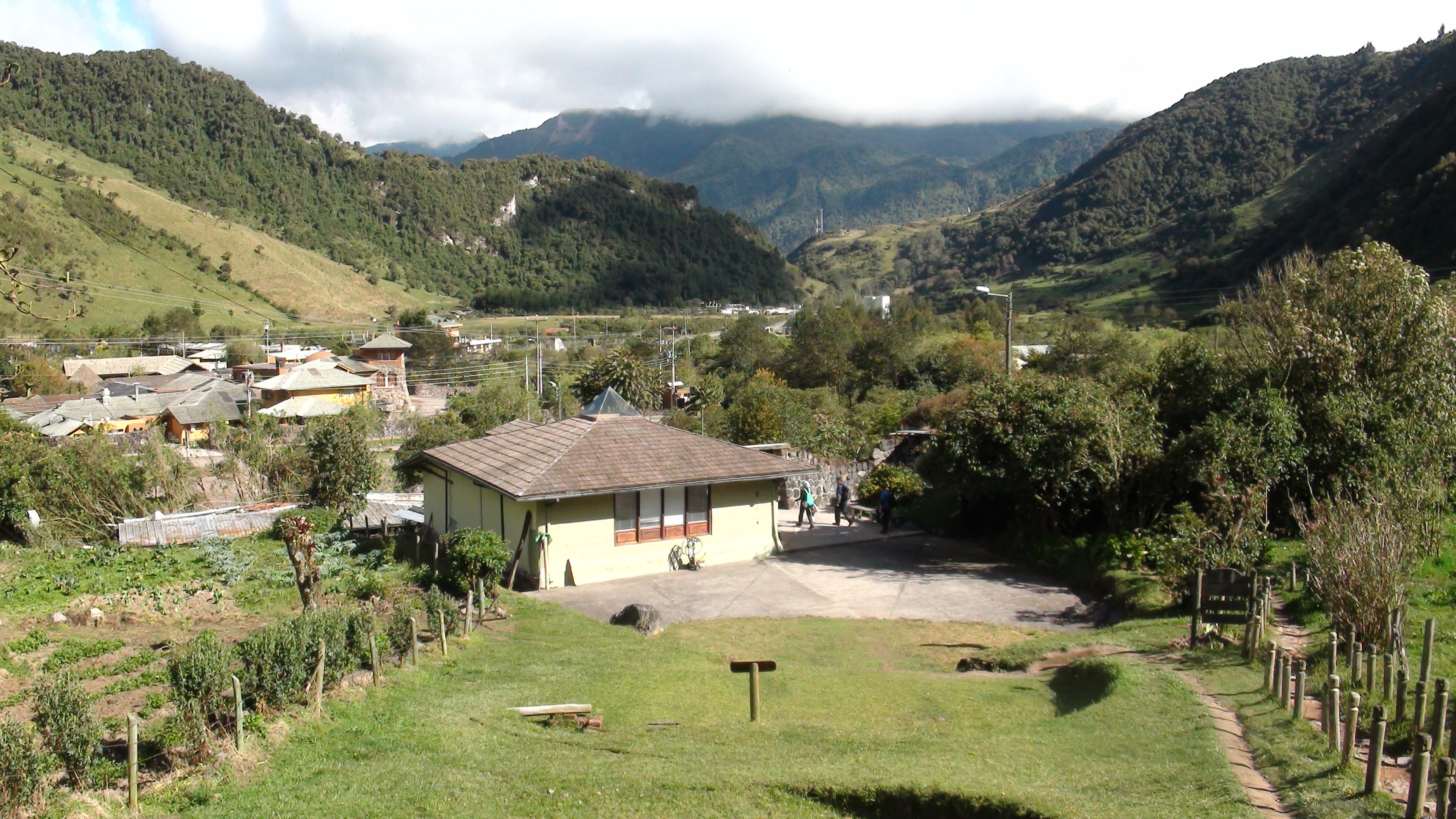
One project will work on samples collected during fieldwork in 2012 near Papallacta (Ecuador).
Further project details and how to apply below… Continue Reading
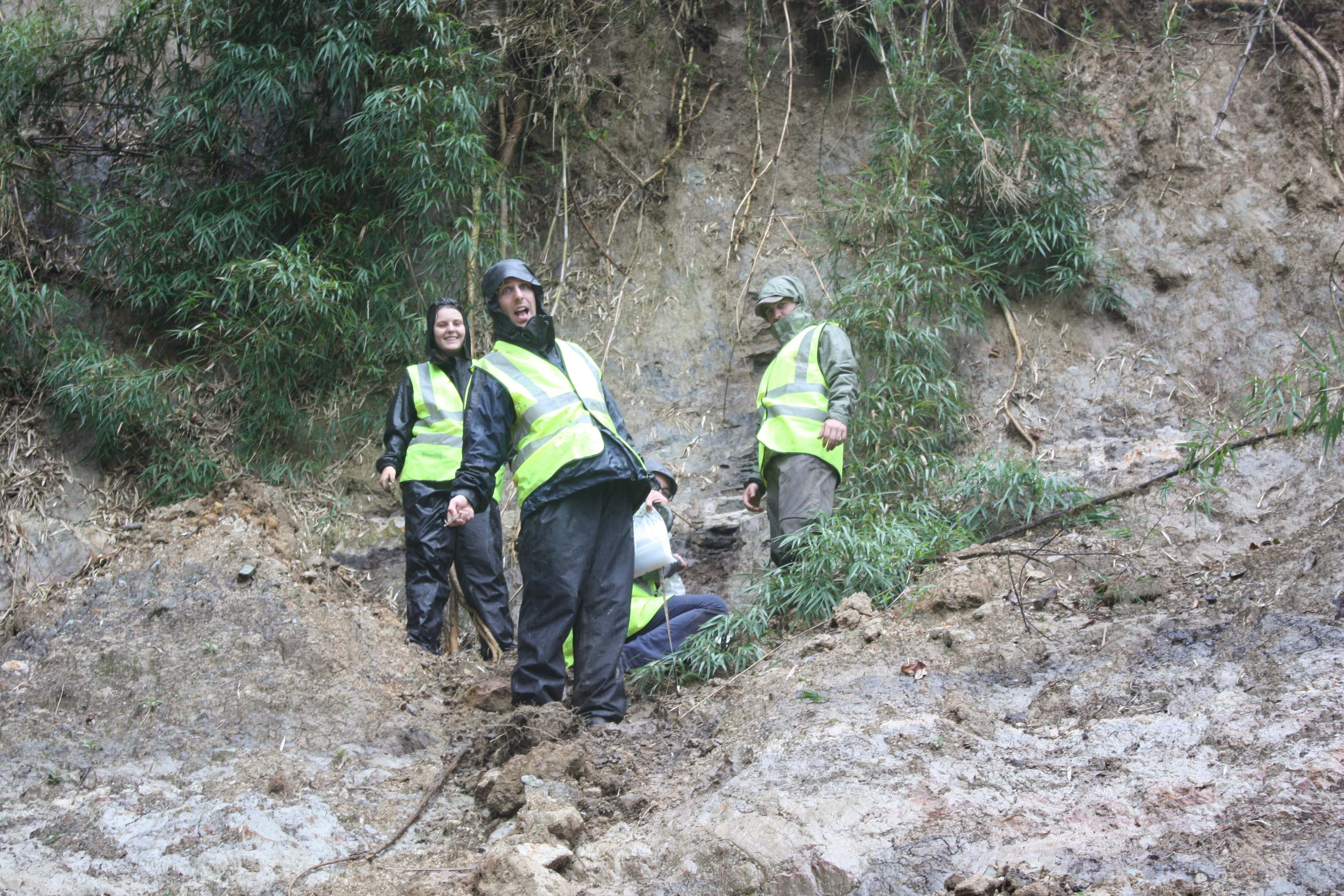
The first half of our field work expedition to Ecuador has now been completed. We had a very successful visit to Mera collecting samples from three new sections and recovered short cores from four lakes.
The sediment sections have yielded many wood macrofossils and samples for pollen analysis. It is anticipated that these will shed light on the nature of tropical vegetation during the last glacial period and before. Some of these samples will be analyzed by Hayley as part of her PhD research.
The sedimentary section found near Mera contained layers of crushed forest beneath volcanic ash. These “forest beds” provide a snapshot of vegetation in the landscape at the time of eruption. Part of plants growing on the landscape thousands of years ago are clearly preserved in the sediment.
On Friday I had the privilege of presenting research from the Palaeoenvironmental Change Research Group to the Hutton Club at the University of Edinburgh (Institute of Geography). My talk, entitled “Assessing the impact of Quaternary glacial-interglacial cycles in the tropics”, drew on: 1) empirical data on past vegetation change from sedimentary records spanning multiple glacial-interglacial cycles; Lake Titicaca (370,000 years), Erazo (middle Pleistocene) and Lake Bosumtwi (500,000 years), and 2) model climate-vegetation data from the GENIE-1 model. The combination of these new long tropical records with model data strongly suggests that the long-term pattern of vegetation response to global glacial-interglacial cycles is differently structured at low-latitudes when compared with mid-latitudes. The different pattern of change suggested in response to past global climate variation might suggest that the response of tropical vegetation change to predicted future climate change could be different to that anticipated for mid- and high-latitudes.

 Ecology of the past