Open access:
McMichael, C.N.H., Bush, M.B., Jiménez, J.C. & Gosling, W.D. (2023) Past human-induced ecological legacies as a driver of modern Amazonian resilience. People and Nature. DOI: 10.1002/pan3.10510

August 17, 2023
Open access:
McMichael, C.N.H., Bush, M.B., Jiménez, J.C. & Gosling, W.D. (2023) Past human-induced ecological legacies as a driver of modern Amazonian resilience. People and Nature. DOI: 10.1002/pan3.10510
August 16, 2023

Gosling, W.D. & McMichael, C.N.H. (2023) The use of micro infrared spectroscopy in reconstructing past ecological and environmental change. Reference Module in Earth Systems and Environmental Sciences (ed. by R. Bradshaw) Elsevier. DOI: 10.1016/B978-0-323-99931-1.00087-8
July 16, 2023
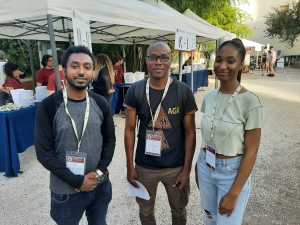
The Mapping Ancient Africa (MAA) project has a double session of talks and a poster session at the INQUA congress in Rome 2023. Our session will be on Wednesday 19 July. Unfortunately a number of the originally planned speakers could not make it to Rome due to a combination of not obtaining visas, logistical challenges and ill health. We wish them all well and hope that they will continue to be involved in the project. Further, many thanks to all those who have agreed to step up and give a presentation at a late notice. Below is an updated schedule correct as of Sunday 16 July based on the information contained on the INQUA Rome App; if you are aware of any further problems or changes please let me know ASAP!
If you are at the INQUA Rome congress please come along to our talks and posters in Session 64: Mapping Ancient Africa: Climate, Vegetation & Humans.
July 16, 2023

A further nine participants were anticipated to attend the workshop but, due to a combination of the non-issue of visas, logistical difficulties and ill health, they were not able to attend at the last moment. These were: Aliyu Adamu Isa (Ahmadu Bello University), George Biddulph (University of St Andrews), Olugbenga Boboye (University of Ibadan), Husna Mashaka (University of Nairobi), Emma Mbua (National Museums of Kenya), Aissatou Thiam Ndong (University of Cheikh Diop, Dakar), Adisa Ogunfolakan (Leventis Museum of Natural History), Alice Paine (University of Oxford), and Lynne Quick (Nelson Mandela University). Some people were able to attend partly online. Some have now made it to Rome and we hope to catch up at the INQUA Rome congress (Session 64) if not before. We hope that all will continue to be involved with the Mapping Ancient Africa project.


July 15, 2023
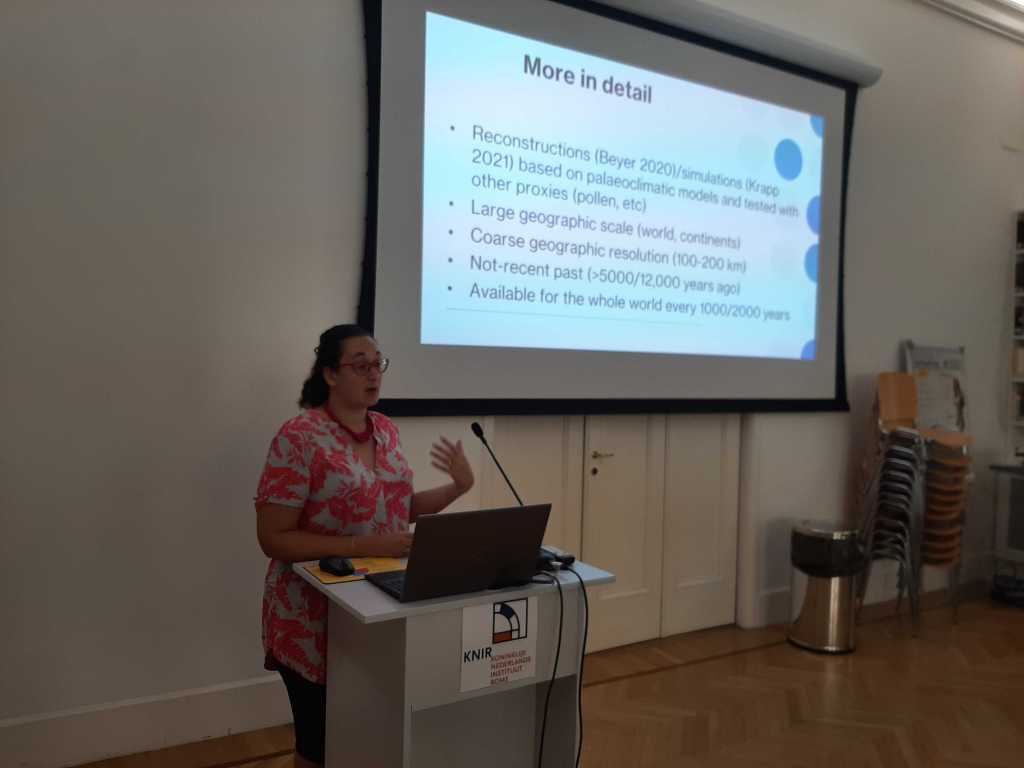
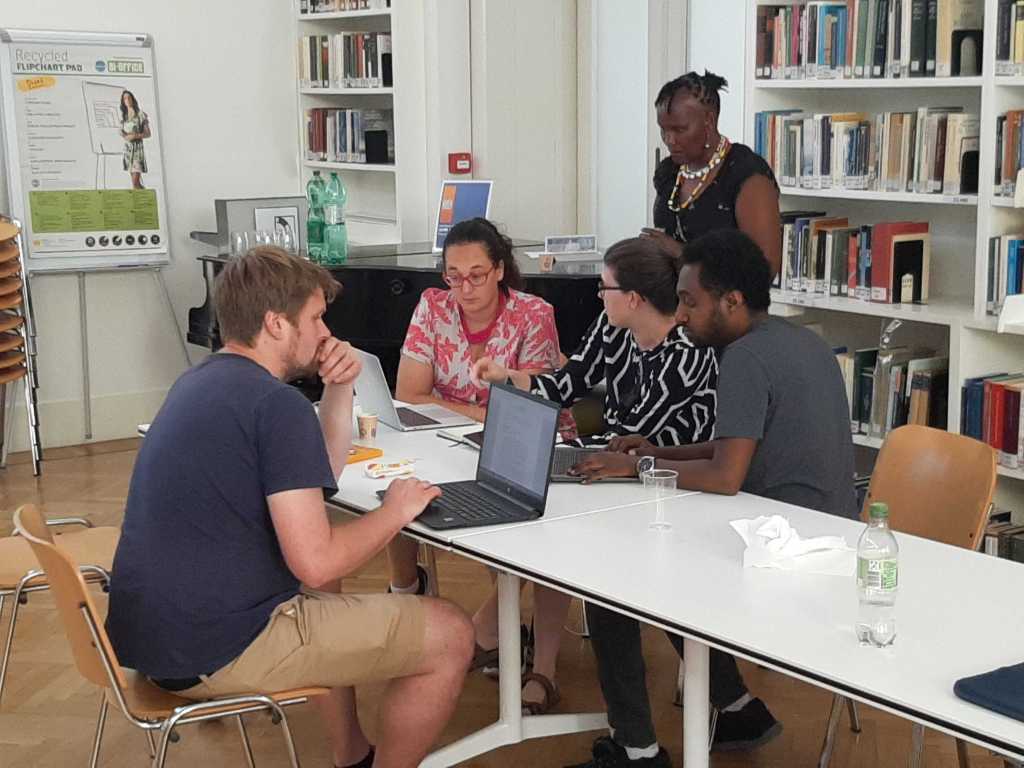
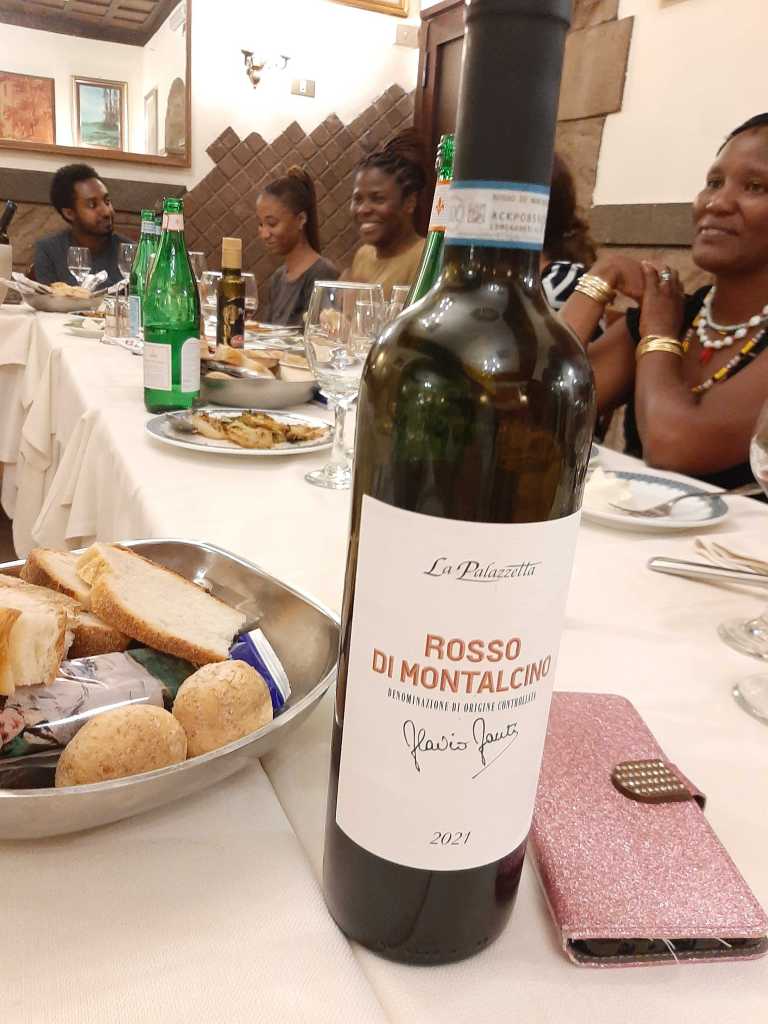
The Mapping Ancient Africa workshop took place on the 12-13 July 2023 at the Royal Netherlands Institute in Rome. At this INQUA funded workshop we played with palaeoclimate models and discussed past environmental change across the continent. Here are some picture of us in action. To find out more click here.


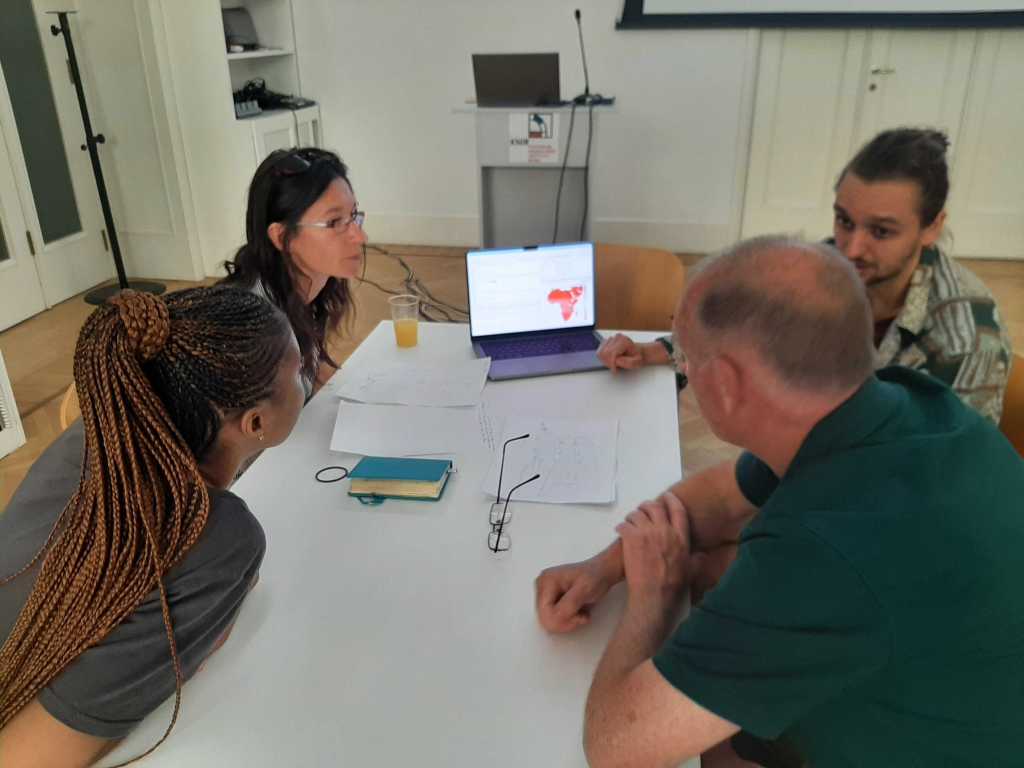

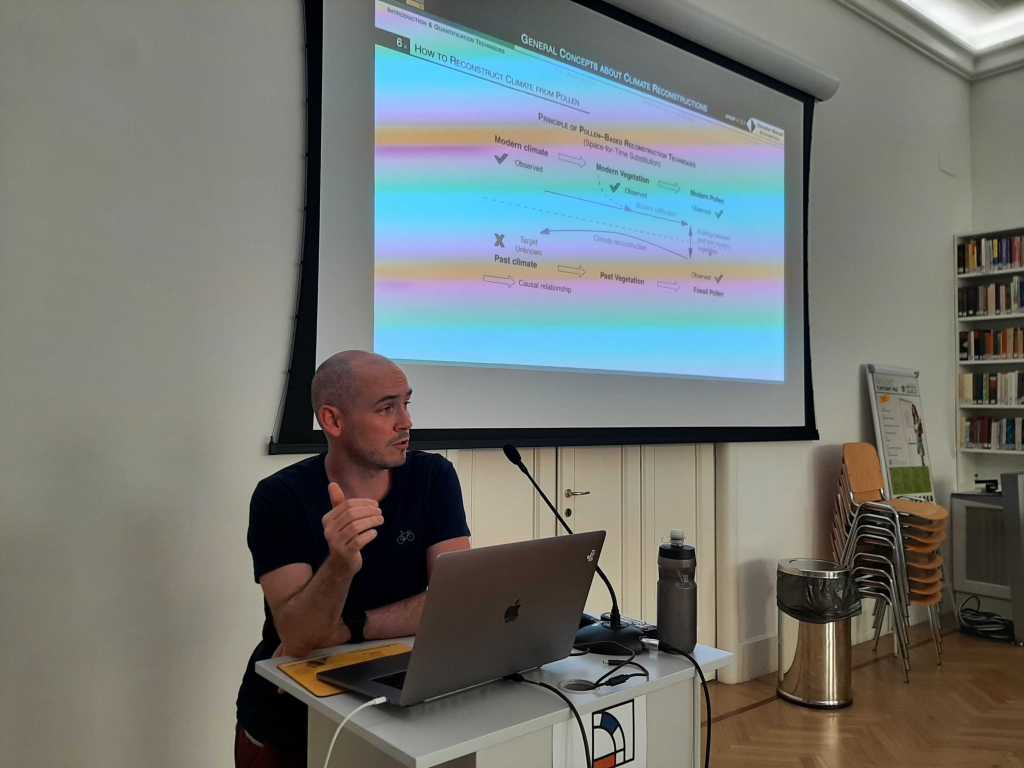
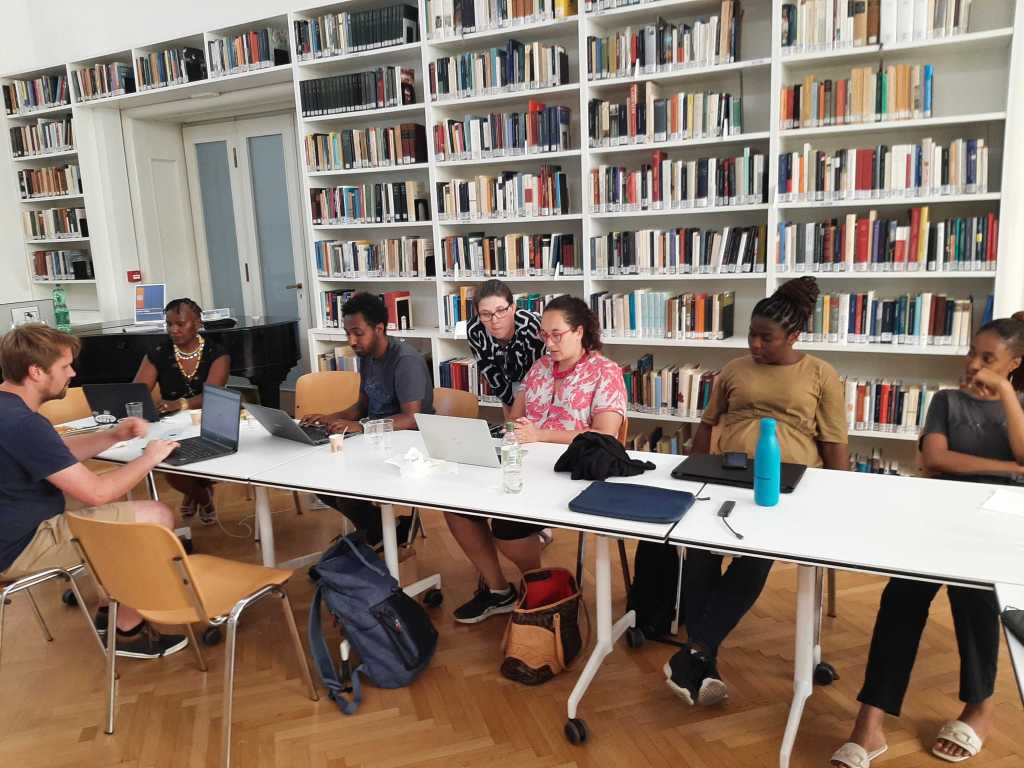
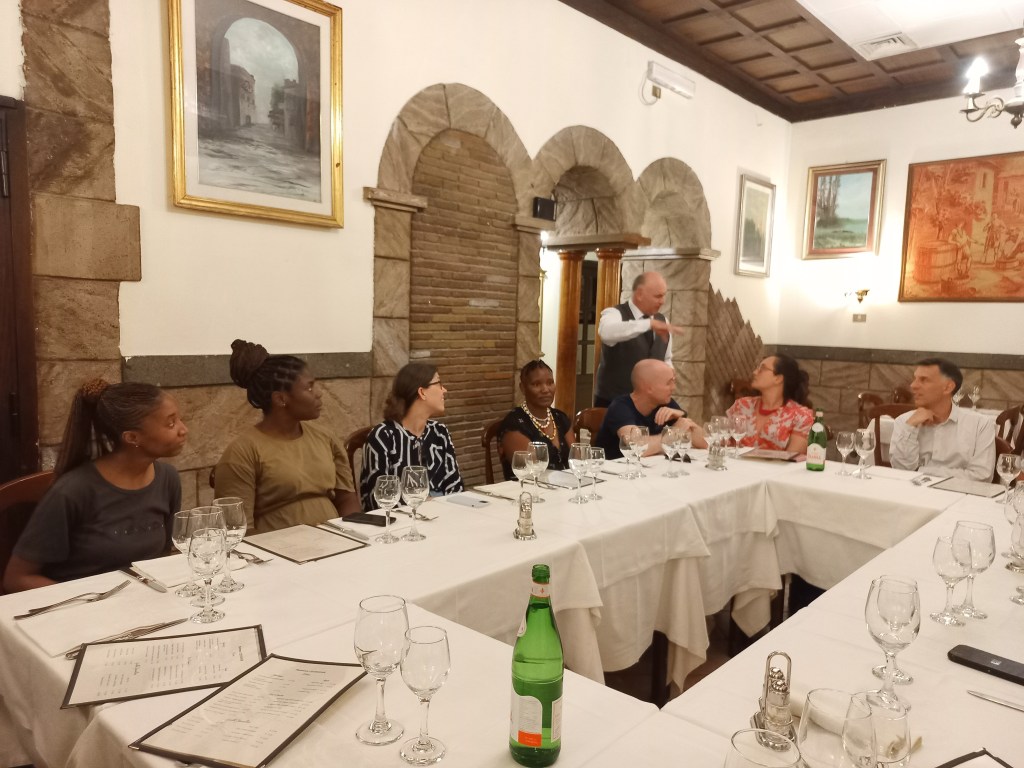

July 14, 2023

The Mapping Ancient Africa workshop took place at the Royal Netherlands Institute in Rome on the 12 and 13 July 2023. Participants engaged with two different approaches to palaeoclimate modelling:
The aim of the workshop was to promote interaction between scientists working across Africa and across disciplines (palaeoclimate, palaeoecology, archaeology, modelling). The plenary session was joined by participants who could not make it to Italy via Zoom. This session was recorded and you can watch it below. In the plenary session outputs from the workshop, the planned special issue of Quaternary International, and the future of the Mapping Ancient Africa project were discussed.
To find out more about the workshop click here.

July 6, 2023

A recent open letter to Wiley from Associate Editors working for the Journal of Biogeography posted by Lucie Zinger and others highlighted a dispute between the editors and the publishers in relation to: (i) the proposed switch of the journal to a pure open access model, (ii) financial barriers to publication, (iii) the proposed increase in throughput of manuscripts to maximise profits, and (iv) the manuscript referral process (see @LucieZinger, read tweet here, dated 28 June 2023). This got me thinking about these issues in relation to the journal that I am most involved with editing which also published papers related to biogeography; Plant Ecology & Diversity.

Plant Ecology & Diversity is the journal of the Botanical Society of Scotland. It is published in association with Taylor & Francis and any profits are split between the publishers and the academic society. To promote diversity and inclusion among authors the journal has a policy of double blind peer review (and has done for many years). Further, there are no publication fees for authors to publish in this journal, however, this does mean that published papers are behind a pay wall. An “Open Access” option is available to all authors for a fee (hybrid model), although the invited “Grubb Reviews” series is automatically published Open Access. Subject Editors and Associate Editors “work” for the journal gratis (for free) and the love of furthering the field.
If you have manuscripts related to biogeography, and prefer this mode of publishing, then please consider the fit of your paper to Plant Ecology & Diversity and send them our way. Or indeed if you have manuscripts related to one of our other key themes:
The journal accepts original research articles (c. 7000 words), rapid communications (c. 2500 words), review articles (c. 12,000 words), and perspectives (c. 2500 words). Other options for publishing are of course also available 🙂
July 4, 2023

Henry Hooghiemstra (University of Amsterdam) began working on “long” continental pollen records during his PhD (Hooghiemstra, 1984). After a long and distinguished career working around the Henry has just published a retrospective discussing the challenges, benefits, and prospects for investing in this aspect of palaeoecological research (Hooghiemstra, 2023).
References
July 3, 2023

The Mapping Ancient Africa (MAA) project has a double session of talks and a poster session at the INQUA congress in Rome 2023. Our session will be on Wednesday 19 July.
If you are at the INQUA Rome congress please come along to our talks and posters in Session 64: Mapping Ancient Africa: Climate, Vegetation & Humans.
Part 1: 08:30-10:30
Part 2: 11:00-13:00
Continue Reading
June 30, 2023

I would like to draw readers attention to the “Unissued Diplomas” exhibition that documents stories of students killed in the ongoing war in Ukraine. This exhibition is currently on display in the entrance hall of the Science Faculty building of the University of Amsterdam. You can view the exhibition online at: https://www.unissueddiplomas.org/
 Ecology of the past