Williams, J.J. (2011) Human and climate impacts on tropical Andean ecosystems. PhD Thesis, Department of Earth & Environmental Sciences, The Open University.
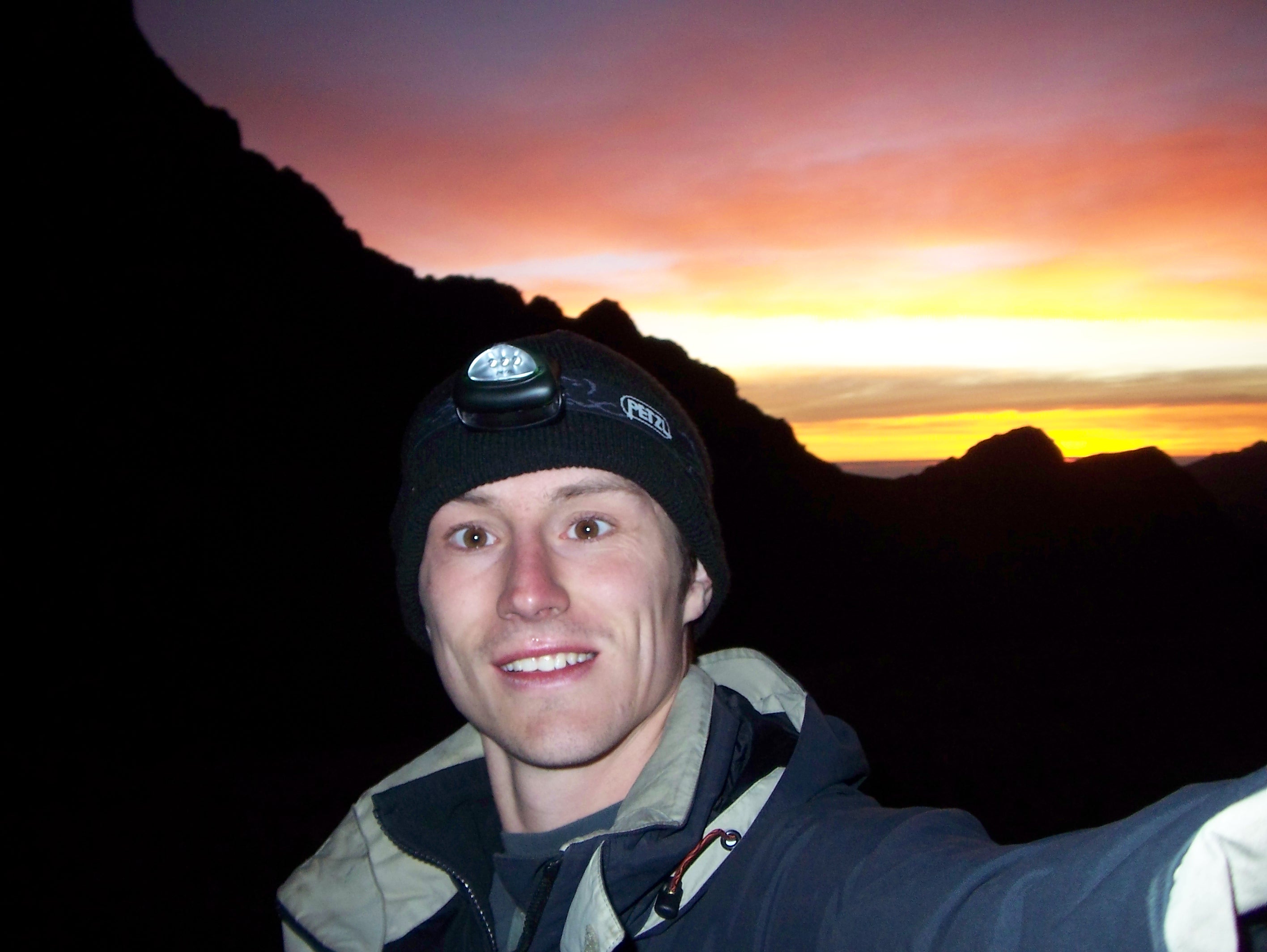
JJW Bolivia (2007)
Abstract:
Population growth and predicted global climate change are applying new, and increasing, pressure to mountain environments, but the consequences of these changes upon the biodiverse and vulnerable Tropical Andean ecosystems are poorly understood. This thesis explores past human-climate-ecosystem interactions using multi-proxy palaeolimnological investigations (fossil pollen, spore, charcoal and Chironomidae (midges); elemental abundance, colour spectra and magnetic susceptibility) of two sites in the eastern Bolivian Andes (Lake Challacaba and Laguna Khomer Kocha Upper) over the last c. 18,000 years. During the deglaciation and Holocene ecosystems were exposed to varying climatic stress levels, and pressures imposed by the development of human cultures.
Examination of preserved ecological assemblages, including the first assessment of subfossil central Andean Chironomidae, reveals ecosystem sensitivity to changes in temperature, moisture, fire regime, lake level and salinity. Charcoal analysis from Laguna Khomer Kotcha Upper reveals changes in burning at c. 14,500, 10,100 and 6,400 cal yr BP. Concomitant palynological shifts shows this climatically controlled fire regime was a transformative agent of Andean vegetation, particularly for the threatened, high elevation, Polylepis woodlands. Pollen and geochemical data from Lake Challacaba indicate two periods of aridity (c. 4000−3370 and 2190−1020 cal yr BP), these broadly correlated to El Niño/Southern Oscillation variations. Increased Sporormiella abundance after c. 1,340 cal yr BP indicate changes in trade routes and agricultural practices; demonstrating human adaption to environmental change and interconnectivity to Tiwanaku and Inca civilizations.
The long-term response of the terrestrial and aquatic ecosystems, reconstructed from these lakes, has provided insights into how Tropical Andean ecosystems may respond to future changes in temperature, precipitation and human interference. The palaeoenvironmental data has implications for conservation management; it indicates that spatial and temporal variations in site sensitivity, exposure and resilience should be assessed, and that planting strategies should mimic the present day natural patchy distribution of Polylepis woodlands.
Montoya, E. (2011) Paleocology of the southern Gran Sabana (SE Venezuela) since the Late Glacial to the present. PhD Thesis, Department of Animal Biology, Plant Biology and Ecology, Unitersitat Autonoma de Barcelona.
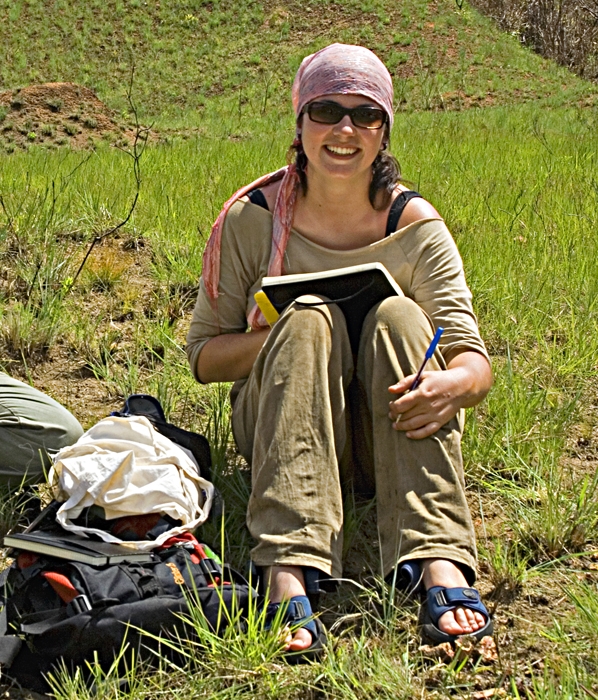
EM Venezuela (2007)
Abstract:
This thesis is aimed to study the paleoecology of the southern Gran Sabana region (GS; SE Venezuela) since the Late Glacial to the present. This region is characterized nowadays by the occurrence of large extent of savannas in a climate suitable for rainforests. For this purpose, three sequences (two from peat bogs and one from lake sediments) have been analyzed for pollen and spores, non-pollen palynomorphs (NPP), and microscopic charcoal particles. Among the sequences analyzed, two of them are located currently within treeless savannas (Lakes Chonita and Encantada); whereas the third one is placed in the boundary between GS savannas and Amazon forests (El Paují). The Late Glacial interval of Lake Chonita was characterized by a shrubland that was replaced by a treeless savanna at the end of Younger Dryas (YD) and the onset of the Holocene, linked to the occurrence of regional fires since ca. 12.4 cal kyr BP. The beginning of local fires was dated synchronous with the vegetation replacement, ca. 11.7 cal kyr BP. A similar shrubland, though not identical, is located nowadays around 200 m elevation above the lake, so the replacement by surrounding savannas was interpreted as a probably upward displacement of the former vegetation and an increase in average temperatures of approximately 0.7 ‐1.5ºC. This section represents the oldest interval analyzed for GS so far, and the presence of fires during the Late Pleistocene is among the oldest fire records documented for northern South America. The peat bog records of Lake Encantada and El Paují showed the main vegetation trends of the last 8 cal kyr BP, which were characterized by the continuous occurrence of regional fires. In Lake Encantada, the presence of treeless savannas was reported during the whole interval analyzed as the dominant vegetation type, despite variations in forest abundance and composition taxa of the community also occurred. The vegetation changes in this record were interpreted as mainly due to climatic shifts until the Late Holocene. At El Paují, the occurrence of forests and savanna/forest mosaics was reported during the same interval, and fire was postulated to have been the major driver of the vegetation shifts. In this sequence, a treeless savanna was not recorded as the dominant vegetation of the landscape until the last millennia, and the presence of two different indigenous cultures was postulated as responsible of the shifts in fire regime registered, with an interval of human land abandonment between them. This interval was characterized by the cessation of fires, and the establishment of a secondary dry forest. The Late Holocene was characterized, in the three sequences studied, by a sudden increase of fires, which likely favored the expansion of savannas and the establishment of the present GS landscape.
The join interpretation of the records presented in this thesis, together with previous analyses in the region, highlighted some key aspects for understanding the main trends of GS landscape and vegetation, e.g., the appearance and establishment of morichales (Mauritia palm stands typical of current southern GS landscapes) has been restricted to the last two millennia, synchronous with the increase in fire incidence. Moreover, it has been possible to gather empirical evidence for testing some previous hypothesis regarding GS. For example, the proposal of an extended aridity prior the Holocene has been rejected, whereas the hypothesis about the postglacial expansion of morichales has been supported. In this sense, with all the available information to date, some suggestions have been proposed: (i) Climate and fire have been the major forcing factors operating in the GS; (ii) During the Late Glacial and the beginning of the Early Holocene, the landscape of southern GS was likely formed by a mosaic of forests, shrubs, and savannas, without the current supremacy of the last vegetation type, which only established during the last 2 cal kyr BP onwards; (iii) Some general climatic trends have been inferred for the study area, as for example an increase in average temperatures around the Late Glacial/Early Holocene transition, a dry interval from 8 to 5 cal kyr BP, and a wetter phase during the Mid-Holocene centered around 4 cal kyr BP; (iv) The establishment of Mauritia in the region has been likely driven by a synergism between biogeographical, climatic and anthropogenic factors, as well as the likely pyrophilous nature of this palm given its synchronous appearance with the increase of fires; (v) The settlement of the modern indigenous culture (Pemón) occurred at least since around ca. 2000 cal yr BP onwards, 1500 yr earlier than previously thought, but previous human presence in the region has been also documented; and (vi) The fire activity observed in the long-term has caused a huge impact on GS landscape.
Miller, C.S. (2014) 520,000 years of environmental change in West Africa. PhD Thesis, Department of Environment, Earth & Ecosystems, The Open University.
CSM (2014)
Abstract:
Global temperatures are predicted to rise by 2–2.5°C by 2065, profoundly affecting the Earth’s environment. The response of ecosystems to past climate fluctuations can inform on how systems will respond in the future. This thesis focuses on Quaternary environmental changes in West Africa, a region important because of its high ecological value and role in the global carbon cycle.
In 2004, the International Continental Drilling Program recovered c. 291m of sediments spanning the last c. 1 Myr from Lake Bosumtwi (Ghana). Pollen, charcoal and nitrogen isotopes (d15N) were analysed from the most recent c. 150m (c. 520 kyr). The latitudinal position and long duration of this core makes it unique for understanding West African monsoon dynamics and vegetation change.
To aid characterisation of the Bosumtwi pollen succession, an atlas of present-day pollen was constructed for 364 pollen and spore taxa.
The pollen record from Bosumtwi reveals dynamic vegetation change over the last c. 520 kyr, characterized by eleven biome shifts between savannah and forest. Savannah vegetation is dominated by Poaceae (>55%) associated with Cyperaceae, Chenopodiaceae-Amaranthaceae and Caryophyllaceae. Forest vegetation is palynologically diverse, but broadly characterised by Moraceae, Celtis, Uapaca, Macaranga and Trema. Low d15N values correspond to forest expansion and these are driven by high lake levels. The timescale indicates that the six periods of forest expansion correspond to global interglacial periods. The record indicates that the wettest climate occurred during the Holocene, and the driest during Marine Isotope Stage 7.
The vegetation and d15N records show a strong response to glacial-interglacial variability between c. 520–320 kyr and 130–0 kyr. Between c. 320–130 kyr there is a weaker response to glacial-interglacial cycles probably related to high eccentricity during the peak of the 400-kyr component of eccentricity, with high eccentricity resulting in greater seasonality and ultimately drier conditions.
Tardigrade egg found in Ghanaian pollen trap by Adele
Here is a summary of what other people have been up to:
Lottie Miller: submission and approval of thesis corrections (hooray), working on British Ecological Society grant application.
Hayley Keen: is finishing up lab work (macro charcoal – done, XRF – done, wood macrofossils – thin sectioned, awaiting identification, pollen – just 4 more samples!); and dealing with minor review revisions to first submitted paper (hooray).
Frazer Bird: finished the data collection for two Ecuadorian lakes (Banos and Pindo) and will hopefully begin to write up this data soon; attended the NERC stats course (very useful; would advise everyone to try and get on it).
Nick Loughlin: has split and logged the sediment cores recovered from Lake Huila (Ecuador) during recent fieldwork, and begun preparing the samples for pollen.
Adele Julier: has been preparing pollen trap samples from Ghana and learning tropical pollen.
Emily Sear: has mostly been on holiday and we are still waiting for the post card! She has also been working at getting results that make sense from the MS2.
Phil Jardine: has been oxidising spores to see what it does to the chemistry, generating FTIR data with the oxidised samples and starting the numerical analysis, and editing film footage from the 2013 Ghana trip.
Encarni Montoya: has been doing pollen lab and analysing pollen from Baños, and comparing the midges trends from Pindo and Baños with Frazer.
Wes Fraser: Reported back to Royal Society on finding from research grant – paper containing exciting results to follow in next couple of months.
Some pollen from Adele’s pollen traps in Ghana
We have also had 4 papers published with 2014 dates on them:
Cárdenas, M.L., Gosling, W.D., Pennington, R.T., Poole, I., Sherlock, S.C. & Mothes, P. (2014) Forests of the tropical eastern Andean flank during the middle Pleistocene. Palaeogeography, Palaeoclimatology, Palaeoecology, 393: 76-89. doi: 10.1016/j.palaeo.2013.10.009
Fraser, W.T., Watson, J.S., Sephton, M.A., Lomax, B.H., Harrington, G., Gosling, W.D. & Self, S. (2014) Changes in spore chemistry and appearance with increasing maturity. Review of Palaeobotany and Palynology, 201, 41-46. doi:10.1016/j.revpalbo.2013.11.001
Sayer, E.J., Featherstone, H.C. & Gosling, W.D. (2014) Sex & Bugs & Rock n Roll: getting creative about public engagement. Trends in Ecology & Evolution, 29, 65-67. doi: 10.1016/j.tree.2013.12.008
I am a NERC Research Fellow with a project entitled “Evaluation of forests sensitivity to past climatic changes” (FORSENS), which will be running until September 2015. The project is based on a multi-site, multi-proxy and multi-disciplinary approach to aid the understanding of Neotropical forests’ dynamics since the Last Glacial Maximum (LGM; c. 21,500 years ago).
I presented details in a poster at the recent INTIMATE/CELL-50k Join Workshop this 12-15th November at Budapest, Hungary. Click here to view my poster and find out more details about the project.
Prior my arrival to PCRG, I was working at The Botanical Institute of Barcelona (CSIC-ICUB, Palynology and Paleoecology Lab) and the Autonomous University of Barcelona (Tropical and High Mountain Paleoecology). I am a palaeoecologist mainly focused on Late Glacial environmental change in Neotropics, being interested in the climate-vegetation-human relationships. For this purpose, I mainly use pollen, microscopic charcoal and non-pollen palynomorphs. I am also involved in several editor tasks, as regular referee os several Q1 journals, and the editor of the “Humans and Biosphere Commission” Newsletter.
If you are interested in my project please do not hesitate to get in contact.
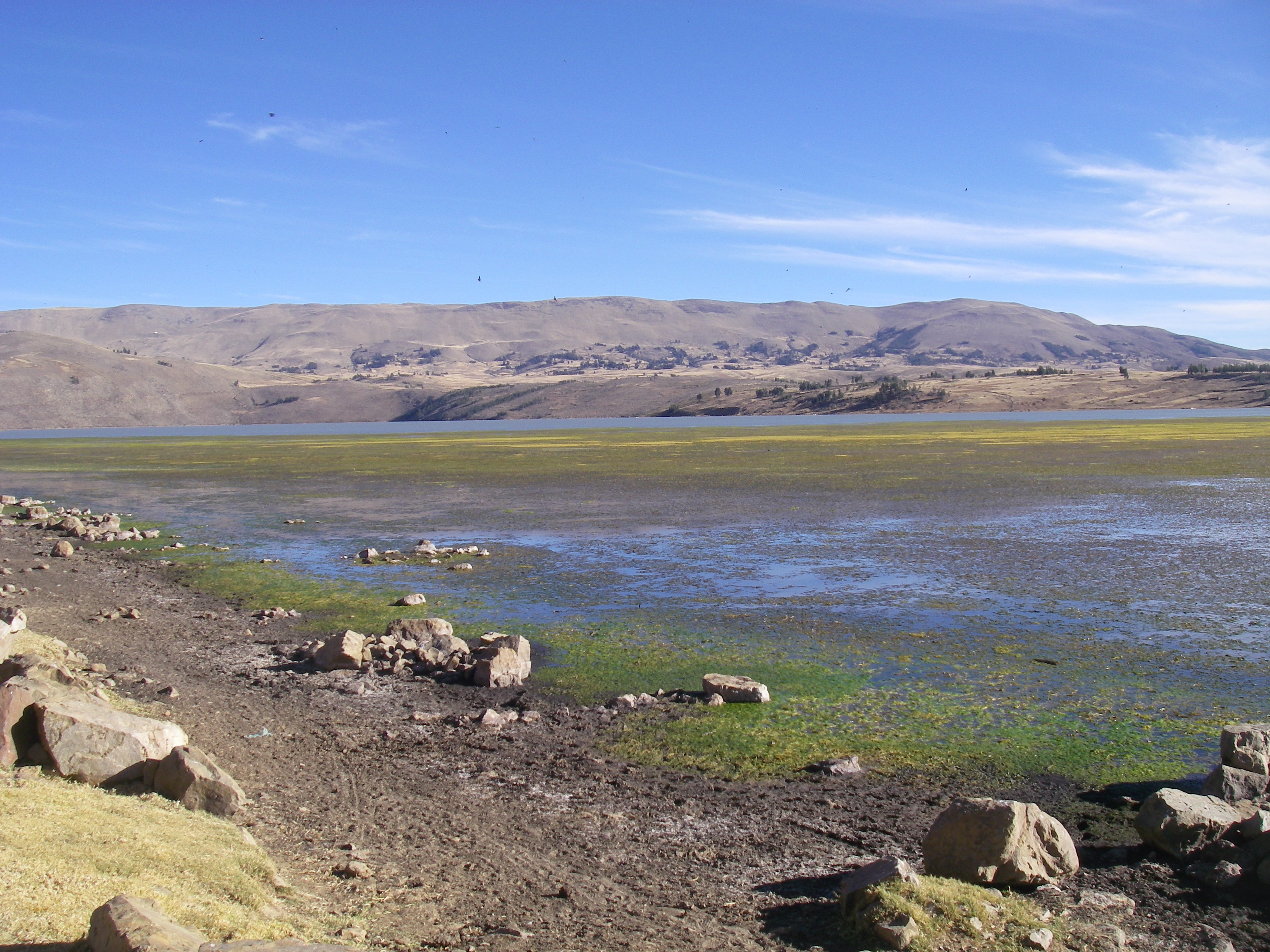
I am delighted to report that Dr Encarnacion Montoya Romo (currently of the Botanical Institute of Barcelona) has been awarded a NERC Fellowship to join the PCRG. The project is entitled “Evaluation of tropical forests sensitivity to past climate change” (FORSENS) and will examine environmental change at four study sites from different regions of the Neotropics: 1) Khomer Kotcha (Bolivia; 17oS, 4100 m above sea level [asl]) [1-3], 2) Consuelo (Peru, 13oS; 1400 m asl) [4-5], 3) Banos (Ecuador; 0oS, 4000 m asl), and 4) a new lowland site from Columbia/Ecuador to be collected during field work during the project.




 Ecology of the past