By Bouwe Groeneveld (MSc Biological Sciences, track Ecology & Evolution, University of Amsterdam)
From 2 to 6 March, I joined the Mapping Ancient Africa Research and Writing Workshop at Fountainhill Estate near Pietermaritzburg, South Africa. The week brought together focused writing, interdisciplinary exchange, and time in the landscape.
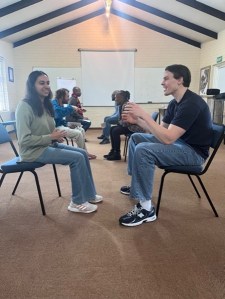
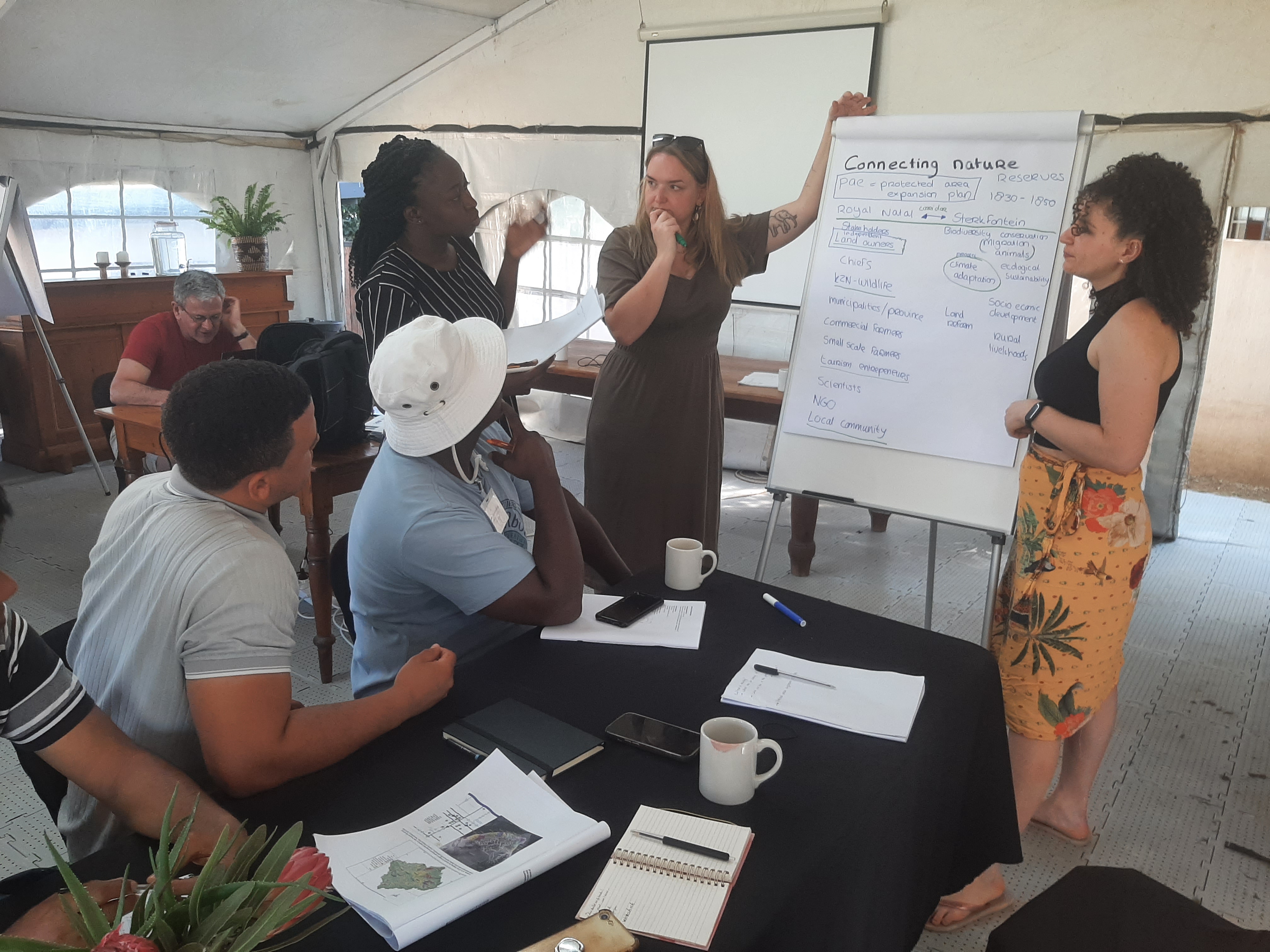
We began with a speed dating session that set an open and collaborative tone. Participants introduced their research backgrounds, ranging from botany and ecology to geography. The group was highly international, with participants from Ghana, Ethiopia, Nigeria, Kenya, South Africa, and the Netherlands. This diversity quickly proved valuable, as different perspectives naturally complemented one another throughout discussions.
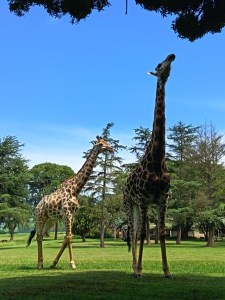
The second day centred on the challenges of academic writing and publishing. Through group conversations and smaller sessions, we reflected on common difficulties such as structuring arguments and navigating the publication process. Later that afternoon, we walked across the estate to the Holley Shelter archaeological site. During the walk, I noticed how the surrounding landscape offered a sense of calm that contrasted with the intensity of writing. Along the way, we encountered a giraffe standing only a few metres from us, quietly feeding on acacia leaves.
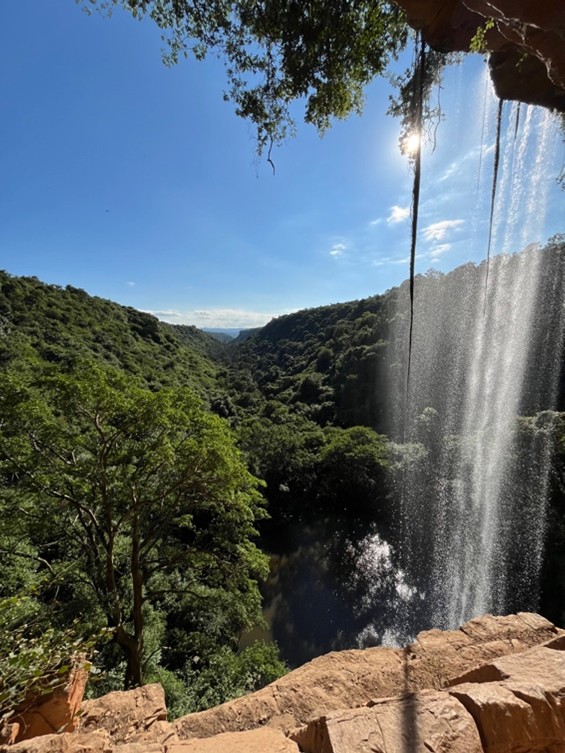
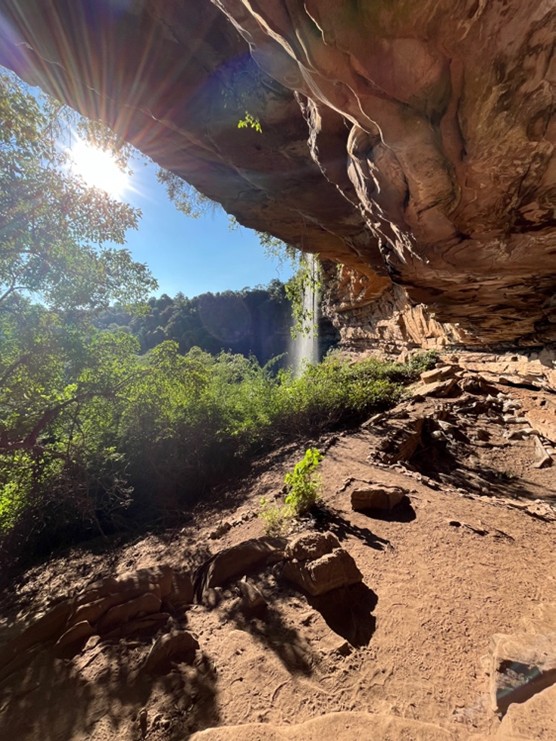
The shelter itself was striking. A clear waterfall flowed down the rock face, catching the sunlight as it filtered into the green valley below. The interplay of water, rock, and light created a remarkably beautiful and tranquil setting, making the site feel both impressive and deeply serene.
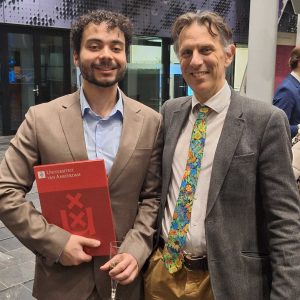
Reyan Christ graduating with an MSc in Earth Sciences
On the 18 March 2026 I had the fun challenge of speaking at two MSc graduation ceremonies that were running at the same time. Two ‘long-term’ members of the palaeoecology team at the University of Amsterdam had reached the culmination of their degree program.
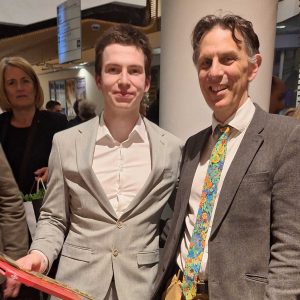
Reyan Christ graduating Cum laude in MSc Earth Sciences (track Earth System Science) and Jelle Kraak graduating in MSc Biological Sciences (track Ecology & Evolution).
Reyan was up 2nd in the Earth Sciences program, and Jelle was up 5th in Biological Sciences, giving me approximately 10 mins to get between rooms! Thankfully everything ran to time and I was able to deliver my speeches for them both. It was great to meet their friends and families and celebrate this important moment for their education.
Jelle Kraak graduating with an MSc in Biological Sciences
It was also great to celebrate the submission of a manuscript (the day before) on which they are first and second author. This manuscript is based on a combination of their, and other students, theses work on past environmental change in the Drakensberg Mountains (South Africa), and conducted in collaboration with Jemma Finch and Trevor Hill at the University of KwaZulu-Natal. We now cross our fingers that the journal editors and reviewers are as excited as we are about their findings. Fingers crossed we can be announcing the published version on here later in the year…
After visiting the SASQUA conference and presenting my work there (see SASQUA Conference post), we travelled to the University of Kwa-Zulu Natal in Pietermaritzburg (UKZN), where I would be staying for three weeks. During this period, my goal was to meet with local experts and to visit my site of study in the Drakensberg mountains. This would help me gain more insight into the environment I’m studying and provide me with an opportunity to collect more samples.
Pietermaritzburg
After the SASQUA congress finished, we flew from Port-Elisabeth to Durban. This would be my first time in one of the highly urbanised parts of South-Africa. We drove about an hour from Durban to Pietermaritzburg, better known locally as PMB, and I immediately noticed the stark difference between the countryside of the Western cape and the urbanised areas of Kwa-Zulu Natal. The city was rough around the edges and felt generally less safe than the laid-back countryside. Luckily, my accommodation was located in one of the better neighbourhoods close to campus. Macho the adorable dog of the AirBnB owners further assured my feeling of safety.
As part of my MSc Biological Sciences (University of Amsterdam) research project entitled “Assessing the effect of human induced fire regime changes on vegetation in the Drakensberg mountains” (for further details click to see previous post). I’ve travelled to Africa, where I’ll be staying a month. During this mini blogpost series I’ll take you with me on my travels!
During the first poster session, I presented my poster which went into detail on how we are developing a proxy to reconstruct past fire using micro-Fourier Transformed Infrared Spectroscopy (µFTIR). These reconstructed fire temperatures can then be compared with phytolith or pollen data to assess the effects of different fire temperatures on local vegetation over time. The presentation and poster were well received!
After my poster presentation there were two more congress days which were filled with interesting talks and beautiful posters.
Hello Ecology of the Past readers, my name is Jelle Kraak and I’m currently doing a research project for my MSc Biological Sciences (University of Amsterdam) supervised by William Gosling (University of Amsterdam), Jemma Finch (University of KwaZulu-Natal), and Trevor Hill (University of KwaZulu-Natal). The project is entitled: “Assessing the effect of human induced fire regime changes on vegetation in the Drakensberg mountains”. During the project I will visit South Africa to work at the University of KwaZulu-Natal and visit field site thanks to partial funding from the Amsterdam University Funds.
Research project outline
As many of you know, humans have been interacting with the environment for millennia in various ways. One of the ways in which humans interact with the environment is through the ignition of fires. By doing so, humans may change fire regimes (fire frequency, severity and/or intensity), which in turn can cause changes in vegetation composition and structure. By using a combination of phytolith (local vegetation) and charcoal (fire) data from two sediment cores obtained from wetland environments in the Drakensberg mountains, we aim to assess the effect of fire regime changes on vegetation over the last 6000 years.
The phytoliths (biogenic silica microfossils) allow for the reconstruction of the past vegetation. Charcoal fragments characterize all aspects of past fire regimes: (i) frequency (time series analysis of charcoal data), (ii) severity (abundance of charcoal in samples reflecting biomass consumed), and (iii) intensity (spectral properties of individual charcoal fragments reflecting combustion temperature).
The most interesting part of this project (in my humble opinion) is that this study is the first to use micro-Fourier Transformed Infrared Spectroscopy (µFTIR) to reconstruct fire temperatures from field samples ánd combine these accurately reconstructed temperatures with local vegetation data! It is important to accurately estimate fire temperatures, as the temperature of a fire dictates the type of plant materials which are consumed in a fire (the higher the temperature, the greater the proportion of woody material burning up). Similar studies have been conducted previously, however, these studies compared fire severity i.e. total burnt biomass with vegetation data. Although this works decently, total burnt biomass is not an accurate representation of fire intensity or temperature, as at very high temperatures biomass turns to ash, which cannot be detected in sediment cores. Through parameterizing both the vegetation changes and the fire regime we will provide a comprehensive picture of how changing human fire use practices modified the vegetation. We anticipate that: (i) a decrease in fire intensity resulted in woody encroachment of the surrounding vegetation, which was concomitant with the arrival of agropastoralists c. 600 years ago, and (ii) a shift in the proportion of C3 and C4 grass species in reaction to temperature changes in the Drakensberg mountains.
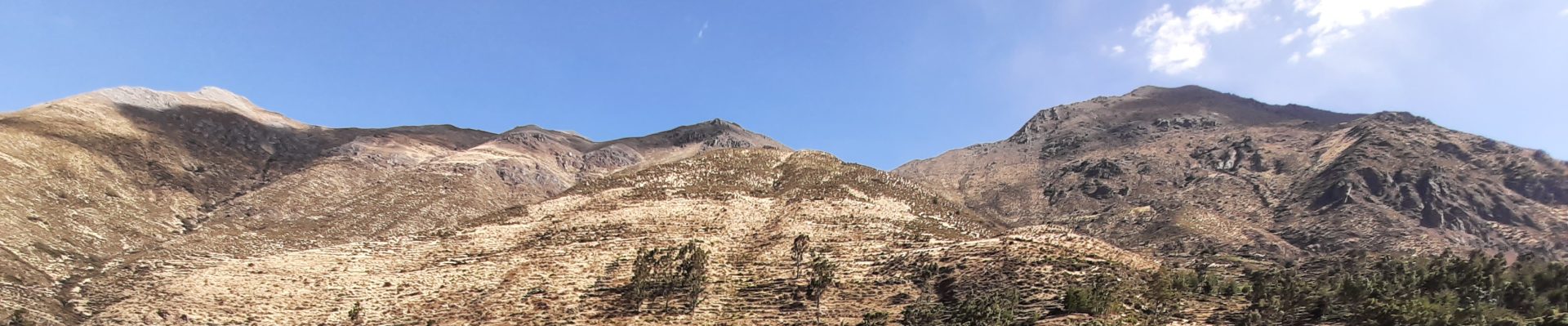
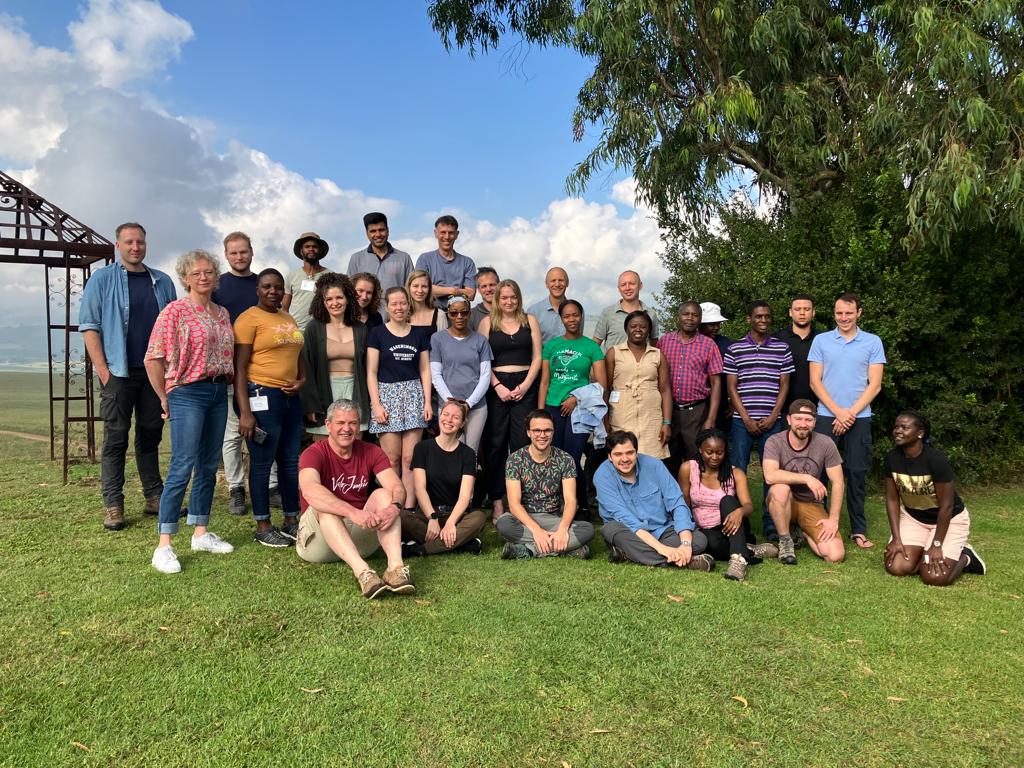
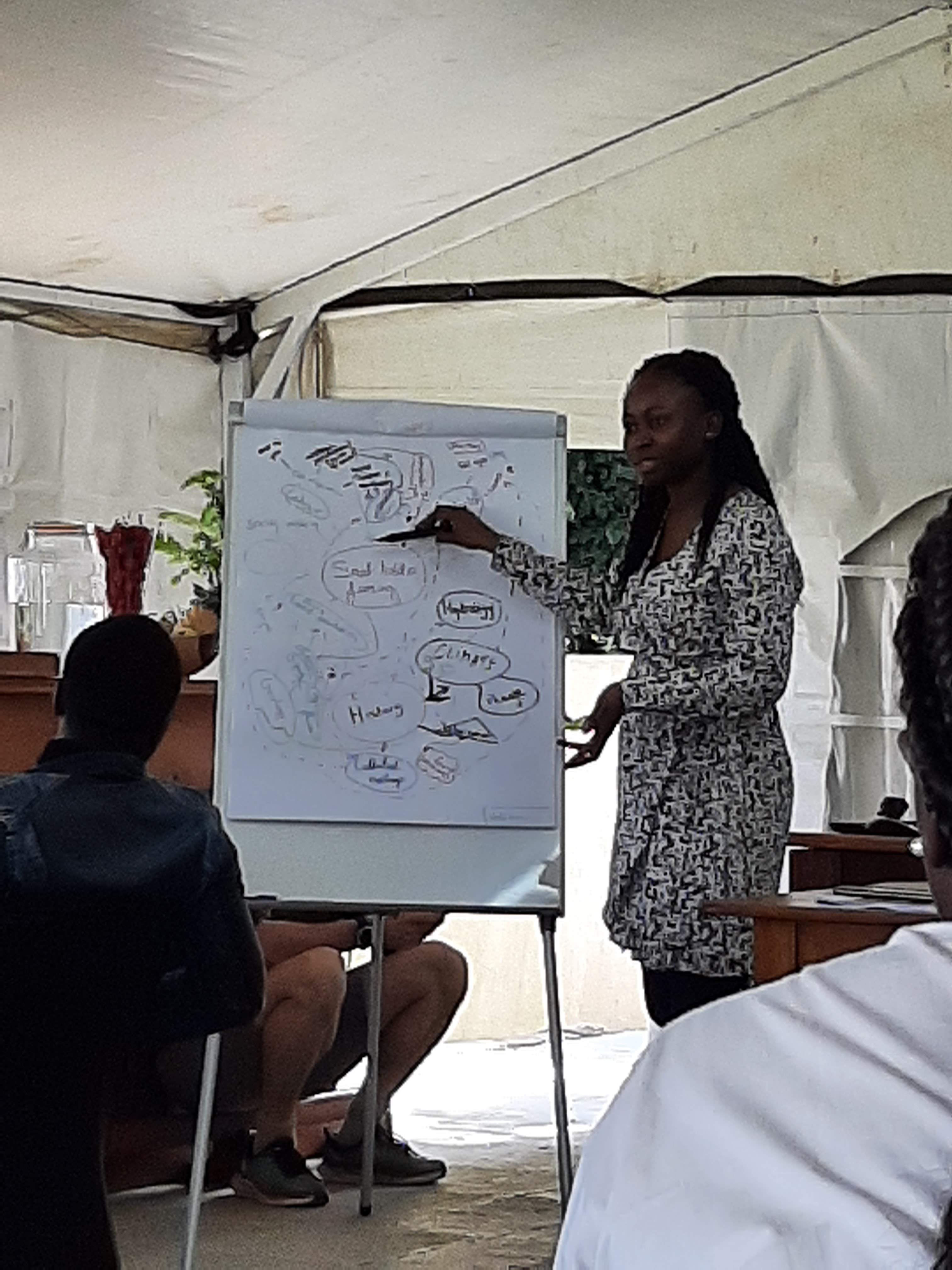
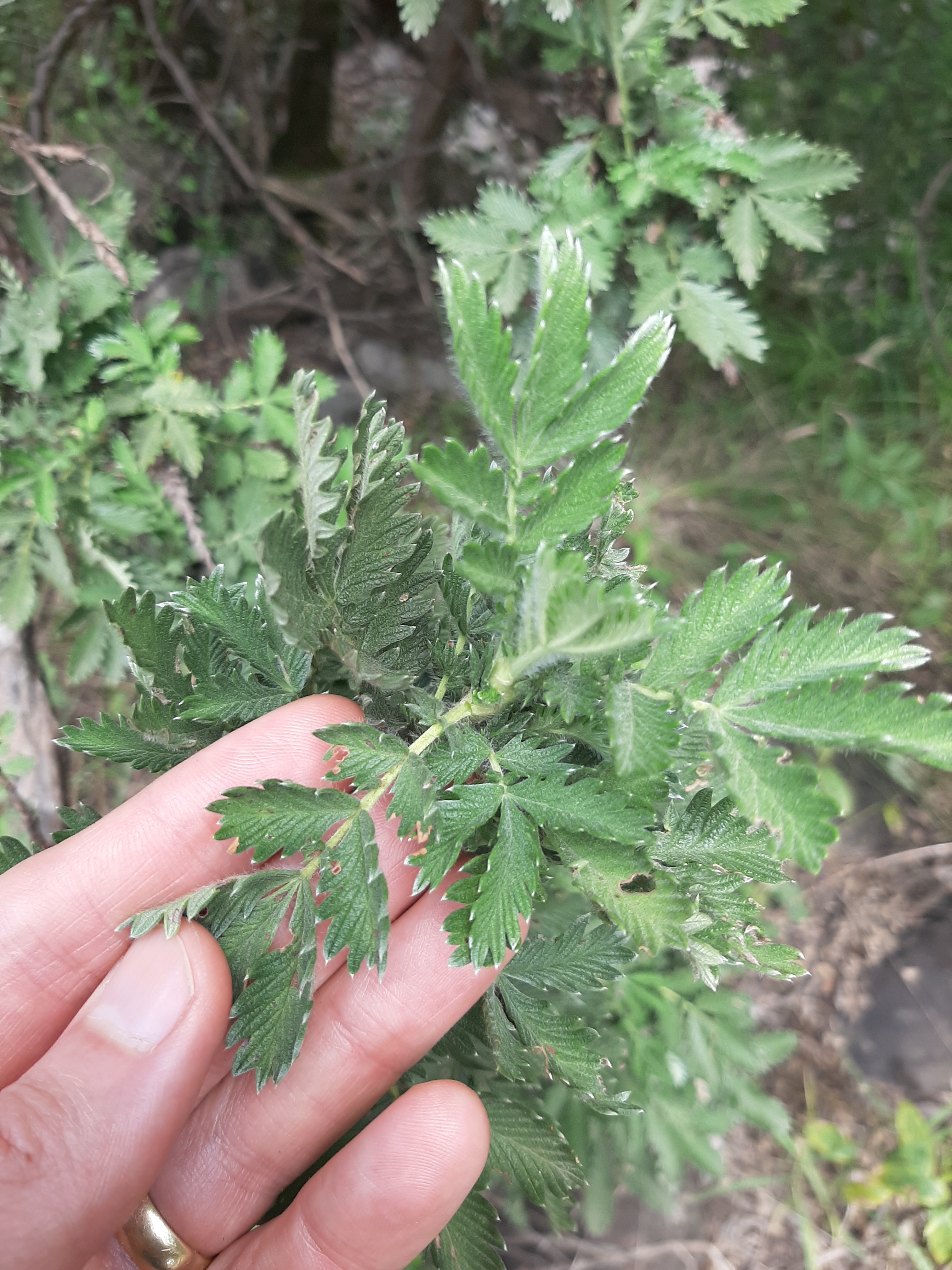
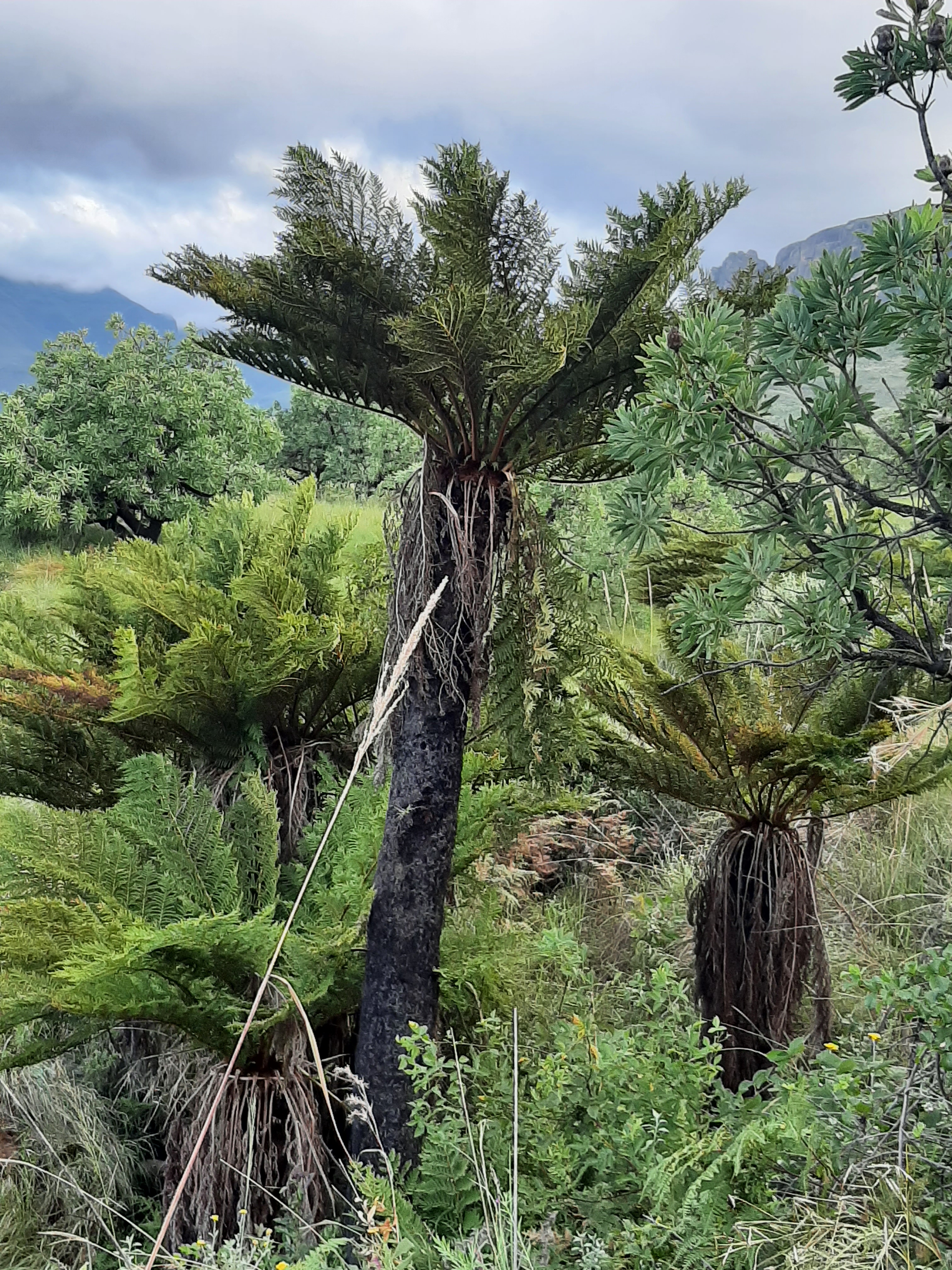
The course “Landscape Dynamics in an era of change: Learning from the past to face the future” took place in the Drakensberg Mountains of South Africa between 5 and 15 March 2023. The course was run by the Graduate School for Production Ecology and Resource Conservation (PERC) and participants were drawn from universities in the Netherlands and South Africa. The main goal of the course was to investigate the past and current dynamics of the region and predict possible futures in an inter- / trans-disciplinary context. Consequently the content of the course was incredibly diverse including: geology, geomorphology, palaeoecology, cultural history, vegetation studies, soil science, farming systems and forestry. These topics were integrated into four group projects centered on invasive species, rewilding, commercial farming and small scale farming.







 Ecology of the past