I would like to draw readers attention to the “Unissued Diplomas” exhibition that documents stories of students killed in the ongoing war in Ukraine. This exhibition is currently on display in the entrance hall of the Science Faculty building of the University of Amsterdam. You can view the exhibition online at: https://www.unissueddiplomas.org/
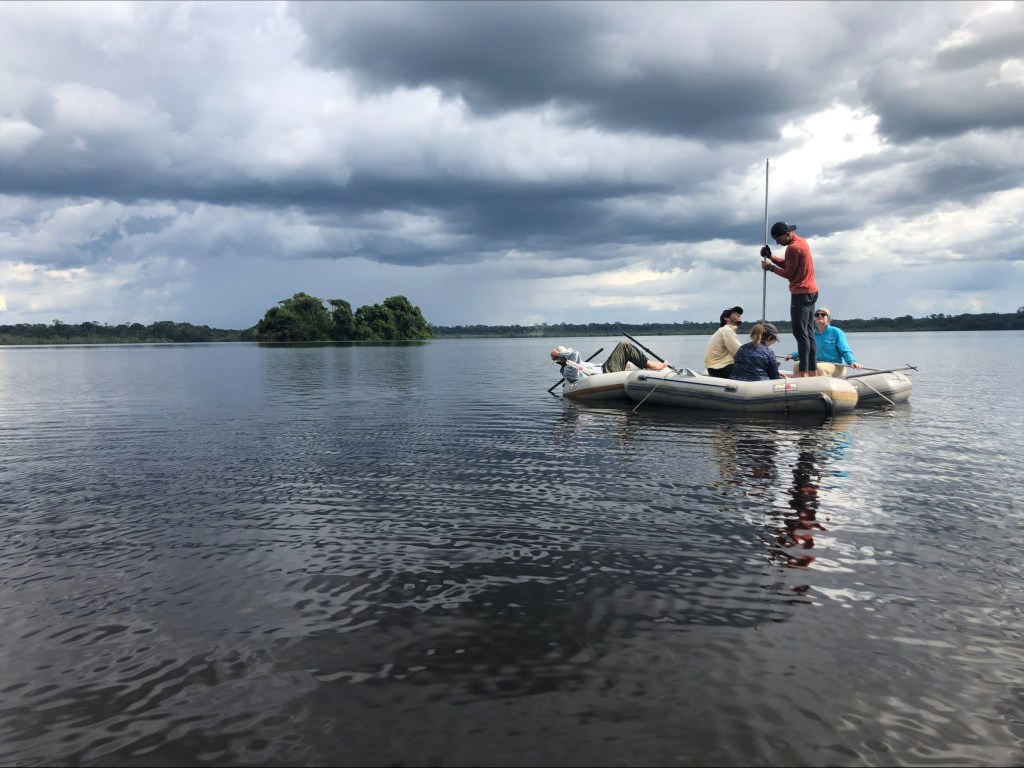
Fieldwork in Ecuador, Lake CubeCoring lake Zancudo Cocha (Ecuador)
Ansis Blaus is a Latvian postdoctoral research associate exploring patterns of climatic and anthropogenic change in the Neotropical Paleoecology Research Group led by Mark Bush at Florida Institute of Technology. He earned his Ph.D. in Earth Sciences from Tallinn University of Technology, Estonia. Supervised by Dr. Triin Reitalu he worked on modern pollen-plant relationships and palaeoecological reconstructions of peatlands and calcareous spring fens with an emphasis on biodiversity and plant functional trait reconstructions.
Currently, at Florida Tech, Ansis works on pollen data and other proxies from the sediment cores collected in the tropical Amazon. He investigates the tropical forest changes in relation to the global climate from a historical perspective, particularly during the Last Glacial Period and the Last Interglacial ca. 130 thousand years ago. His work will shed light on the history of dynamics and climate tipping points in the Amazonian rainforest. This research is particularly important in the face of the current global climate crisis and could help to anticipate the tropical forest response to the changing climate in the future.
Another objective of Ansis’s work is to study the pollen signature of human disturbance in the Amazon Basin as a means to model and interpret human presence and activities in the past and to understand human-nature interactions in tropical forest ecosystems in different spatial and temporal scales. For that, he is collaborating with the University of Amsterdam, Institute for Biodiversity and Ecosystem Dynamics, and working on a project aiming to quantify tropical pollen assemblages led by Crystal McMichael.
Ansis is fascinated by the potential revelations that come with the intersection of neoecology and paleoecology and human interactions. His interest in paleoecology, biodiversity, and various natural processes comes through the sense of pursuing a higher purpose for society and the well-being of our planet, and from the concern that humans have altered tropical forests and most other ecosystems in the world to the level of a negative rebound effect. Ansis believes that we must study and understand these ecosystems from different perspectives to decrease the current damage, predict future scenarios and to develop conservation strategies for both nature and human well-being.
The Mapping Ancient Africa (MAA) workshop in Rome will take place on the 12 and 13 July 2023. The workshop supported by International Union for Quaternary Research (INQUA) and hosted by the Royal Netherlands Institute in Rome. During the workshop we will be working towards aims of the MAA project to strengthen the research community of Quaternary scientists working across Africa, and to further our scientific goals of understanding past climate change. To achieve this we will work collaboratively to:
simulate past climate change in Africa,
develop the proposed Special Issue of Quaternary International, and
plan the next steps for the MAA project.
Twenty-seven people are registered for the workshop and we look forward to seeing them in Rome. If you are not registered for the workshop but still want to participate this is possible. On the 13 July between 15:00 and 18:00 CEST the workshop sessions will be online via Zoom. To obtain the Zoom link either visit the MAA Slack channel, or contact William Gosling. During the online part of the meeting we will present the outputs from the palaeoclimate mapping activity, the plans for the special issue, and outline the ideas future of MAA. Feedback from the wider MAA community will be very welcome.
The next meeting of the Palynologische Kring will take place on the afternon of Tuesday 13 June in Amersfoort. There will be scientific seminars from Roy van Beek (Wageningen University & Research), Otto Brinkkemper (Cultural Heritage Agency), and Jos Bazelmans (Cultural Heritage Agency) focused on the development of the Dutch landscape. In addition the prize for best palynological MSc thesis in the Netherlands – the Florschütz Award – will be given out.
To find out more details and how to register click here.
On Tuesday 16 May 2023 a small team of researchers from the Institute for Biodiversity & Ecosystem Dynamics (University of Amsterdam) visited the Maashorst (Netherlands) to visited an area “re-wilded” with European Bison (Bison bonasus). In addition to the bison the area is also now home to Tauros and Exmoor Ponies The purpose of the trip was to collect soil surface samples to examine for dung fungal spores. Certain fungi grow only on the dung of herbivores and the spores of these fungi can be preserved in the sedimentary record (for more information see Lee et al., 2022). Analysis of dung fungal spore diversity through the sedimentary record can therefore provide insights into the changes in the amount of dung (animals) in the landscape in the past. The purpose of this sampling effort was to see if we can quantify how many, and what type, of spores are representative of this group of bison. This information will help us to be able to interpret ancient records of fungal spores in more detail.
Special thanks to Maurice van Doorn (Gemeente Maashorst) for showing us around.
Bison statueTauros on the moveStudents collecting dataBison enjoying the sun
Socorro Dominquez and Simon Goring will be presenting an African Pollen Database (APD) practical tutorial about working with paleoecological data in R ! Please join us Wed, April 5 at 10am EST. Please email sji15@psu.edu for the zoom link.
At this workshop, you will learn to:
search for APD sites and filter data from Neotoma in R
make simple pollen diagrams
do simple analysis like look at change in taxa across time
For more information, check out the schedule below and see past workshops here.
Title: Newly discovered fossil sites in Kenya and their implications in human evolution discussions
Related publication: Mbua, E., Kusaka, S., Kunimatsu, Y., Geraads, D., Sawada, Y., Brown, F.H., Sakai, T., Boisserie, J., Saneyoshi, M., Omuombo, C., Muteti, S., Hirata, T., Hayashida, A., Iwano, H., Danhara, T., Bobe, R., Jicha, B. & Nakatsukasa, M. (2016) Kantis: A new Australopithecus site on the shoulders of the Rift Valley near Nairobi, Kenya. Journal of Human Evolution 94, 28-44. DOI: 10.1016/j.jhevol.2016.01.006
The seminar will be delivered via Zoom. The link for the seminar can be obtained from the MAA Slack channel or by contacting the chair of this seminar Rahab Kinyanjui. If you want to know more about the Mapping Ancient Africa project visit our web pages and please do not hesitate to get in contact if you want to get involved.
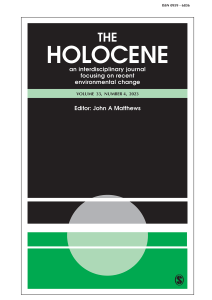
I am excited to announce that I have recently joined the “Advisory Editorial Board” of The Holocene journal. Many thanks to editor-in-chief John Matthews for the invitation. Interesting to join a very experienced team, which includes both my PhD and post-doc supervisors; the esteemed Frank Mayle and Mark Bush! I look forward to receiving interesting new papers to examine.
The Holocene journal publishes research, review and forum papers focused on environmental change during the Holocene (last 11,700 years). It encourages the submission of manuscripts with an interdisciplinary approach covering palaeoenvironments, palaeoclimate, palaeoecology, palaeohydrology, palaeopedology, palaeoceanography and geo-archaeology. So if you have a some research in this area that you are looking for a home for please check out the details aims and scope, and criteria on the journal web page, click here.
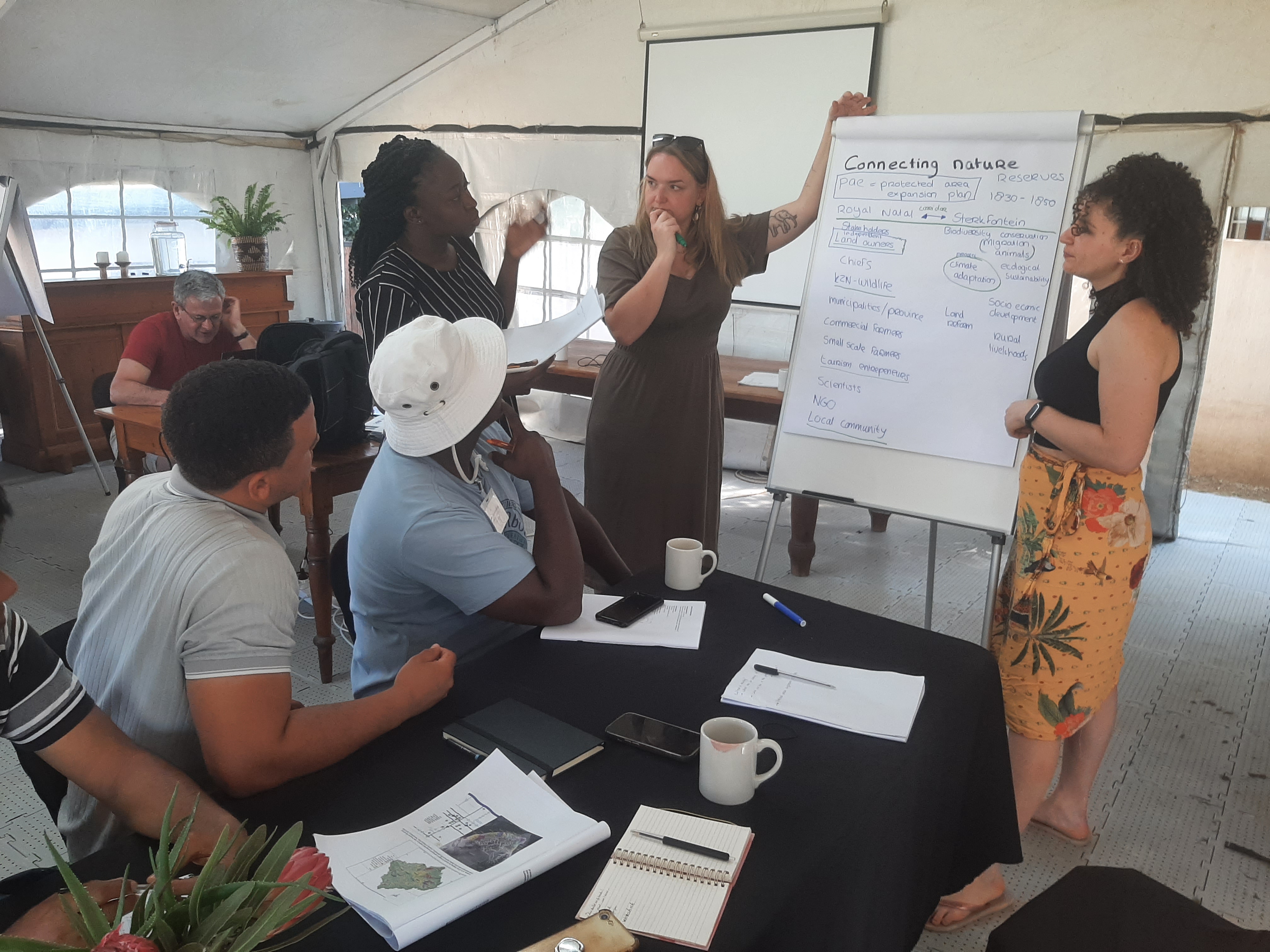
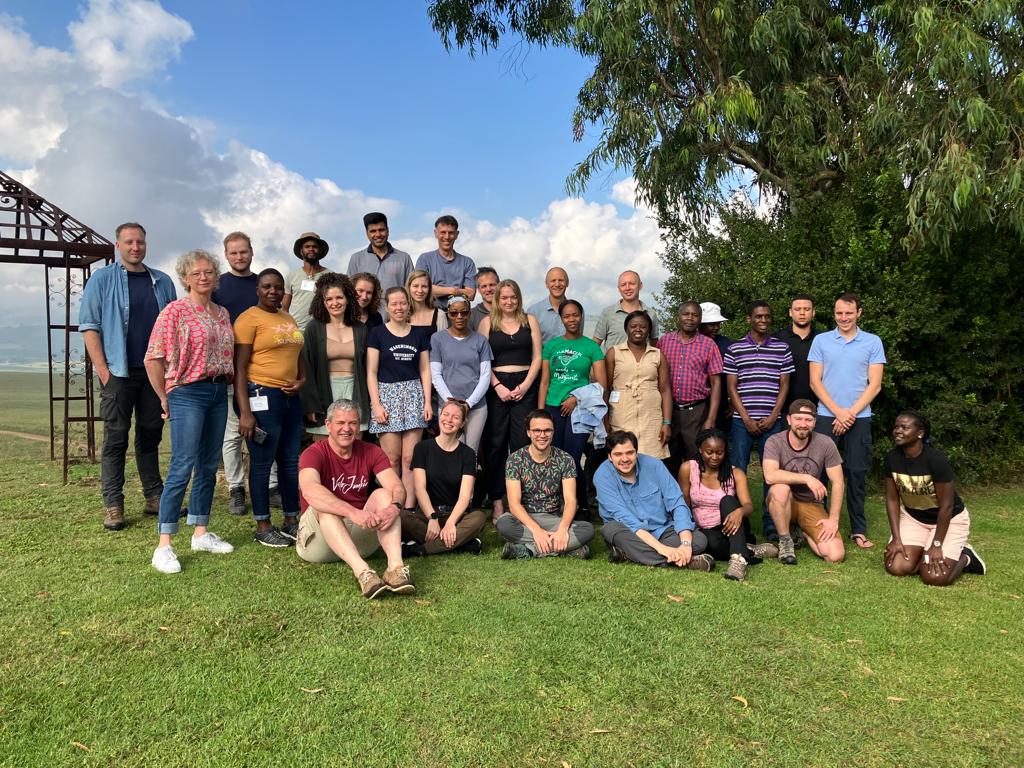
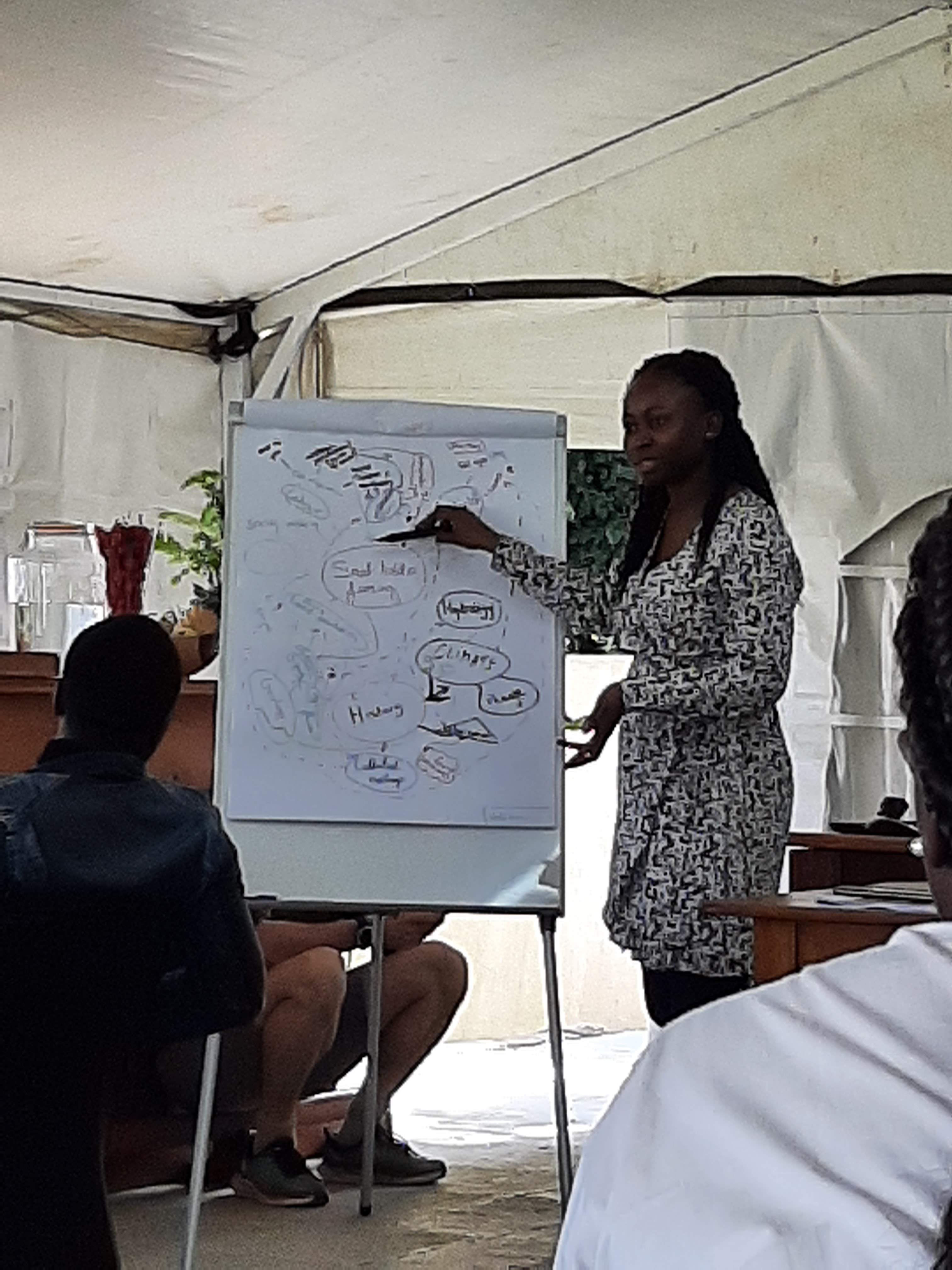
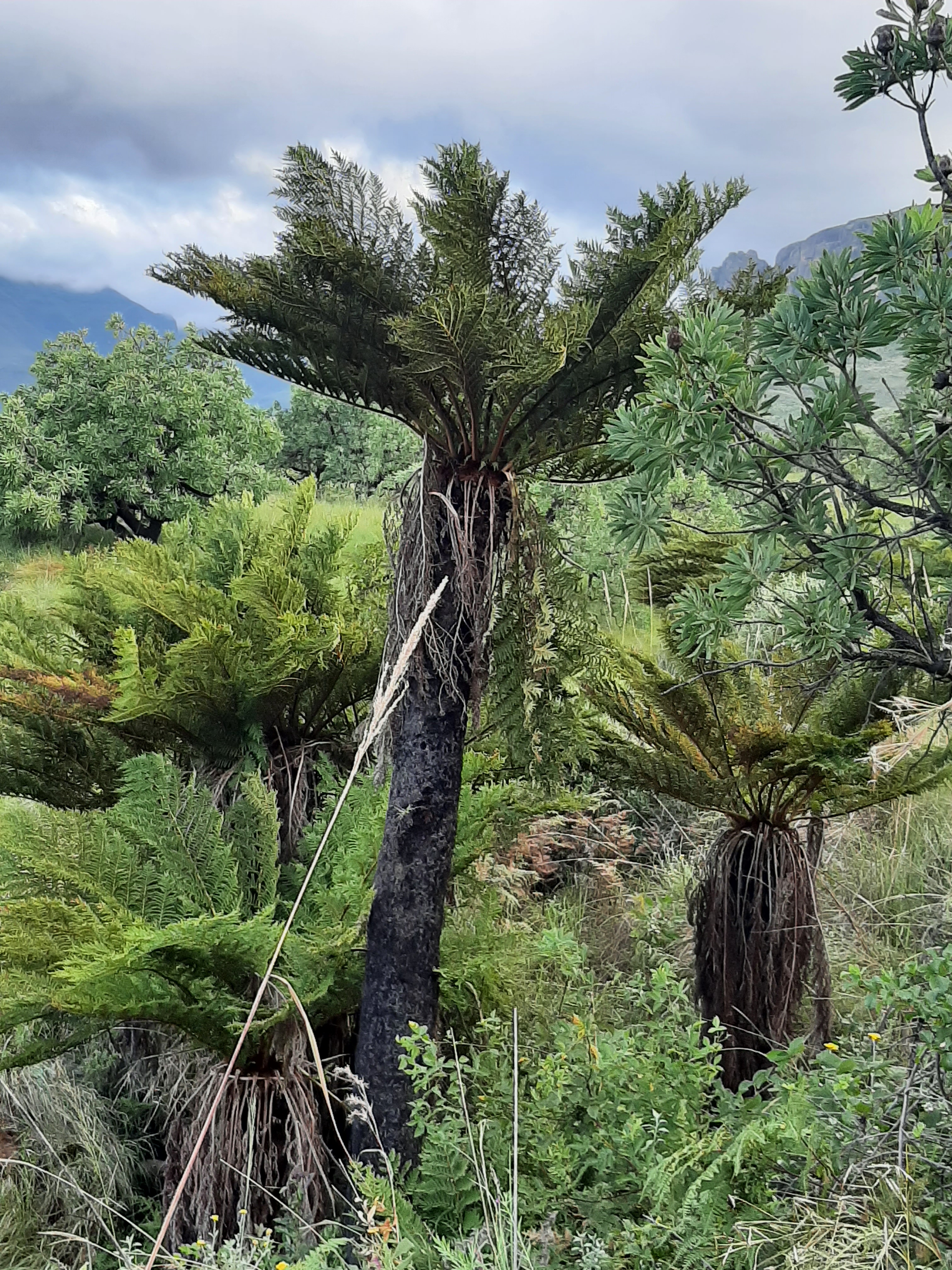
The course “Landscape Dynamics in an era of change: Learning from the past to face the future” took place in the Drakensberg Mountains of South Africa between 5 and 15 March 2023. The course was run by the Graduate School for Production Ecology and Resource Conservation (PERC) and participants were drawn from universities in the Netherlands and South Africa. The main goal of the course was to investigate the past and current dynamics of the region and predict possible futures in an inter- / trans-disciplinary context. Consequently the content of the course was incredibly diverse including: geology, geomorphology, palaeoecology, cultural history, vegetation studies, soil science, farming systems and forestry. These topics were integrated into four group projects centered on invasive species, rewilding, commercial farming and small scale farming.
The “Environmental Management” track of the University of Amsterdam MSc Earth Sciences program is the more applied sister to the Earth System Science track. The Environmental Science track is focused on the solutions to societal challenges that can be gained from the Earth sciences. Drawing on linkages with social sciences you will gain a broad interdisciplinary training covering topics including: urban-ecological development, human-wildlife conflicts, and the climate crisis. During the degree you will work with researcher within the interdisciplinary Institute for Biodiversity & Ecosystem Dynamics (IBED), carry out an independent research project, and an internship at a societal facing organisation.
Energy and Climate Change: Investigate the relationship between climate change and energy systems, and confront the challenges of creating a decarbonised world.
GIS and Remote Sensing in Ecosystem Dynamics: Learn how to use large remotely sensed datasets to gain insights into geological, geomorphological and soil systems.
Integrated Coastal Dune Management: Explore the concept of “Resilience Thinking” in tacking the complex management task of protecting the Dutch coastline and its ecosystems.
Metropol Ecology: Focused on the part of the Earth system where people are, investigate biodiversity and ecosystems in urban systems and mega cities.
Science Based Geo-ecological Management: How can science guide environmental management, address key challenges of supporting society, includes field visit to Oostvardersplassen.
System Innovation and Transition Management: Climate, energy and agricultural systems are all changing discover how understanding their dynamics is important for governance and sustainability.
Environmental management of high Andean ecosystems. During the field school in Peru MSc Earth Science students work with locals and NGOs to improve practices (click here to find out more)
The Environmental Management track can be taken in conjunction with the “Science for Sustainability” minor offered by the Faculty of Science, or other free elective courses to broaden your program.
During the course you will do an internship to get direct experience of working outside academia. Organisations hosting internships in recent years have included:













 Ecology of the past