On Wednesday 11 May 2023 I was delighted to give a online seminar for the African Pollen Database group on integrating palaeoecological data into educational programs. Thanks to Sarah Ivory, Chris Kiahtipes, and Alejandra Domic for inviting me and organizing this series.
I covered topics including the motivation of students, designing a MSc level course, and setting up BSc/MSc research projects. My presentation was centered around my personal experience of running courses for BSc Biology and Future Plant Studies students (Palaeoecology), and for MSc Earth Science and Biological Science students (Environments Through Time) at the University of Amsterdam. It was nice to get a wider perspective from discussion with the audience and to pick up some additional ideas and advice. If you have other thoughts on this topic please feel free to comment on this post.
The entire African Pollen Database online seminar series is now available to watch via the associated YouTube channel. So to find more click here.
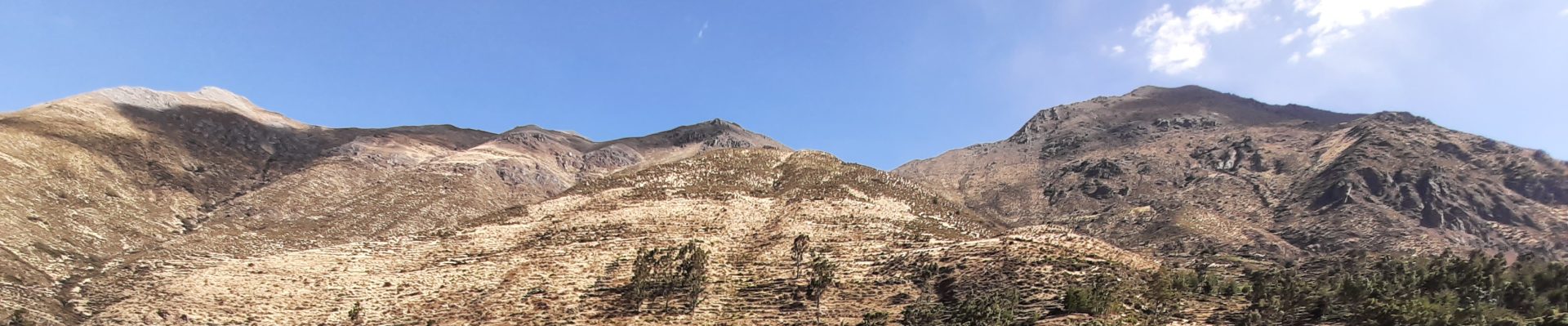
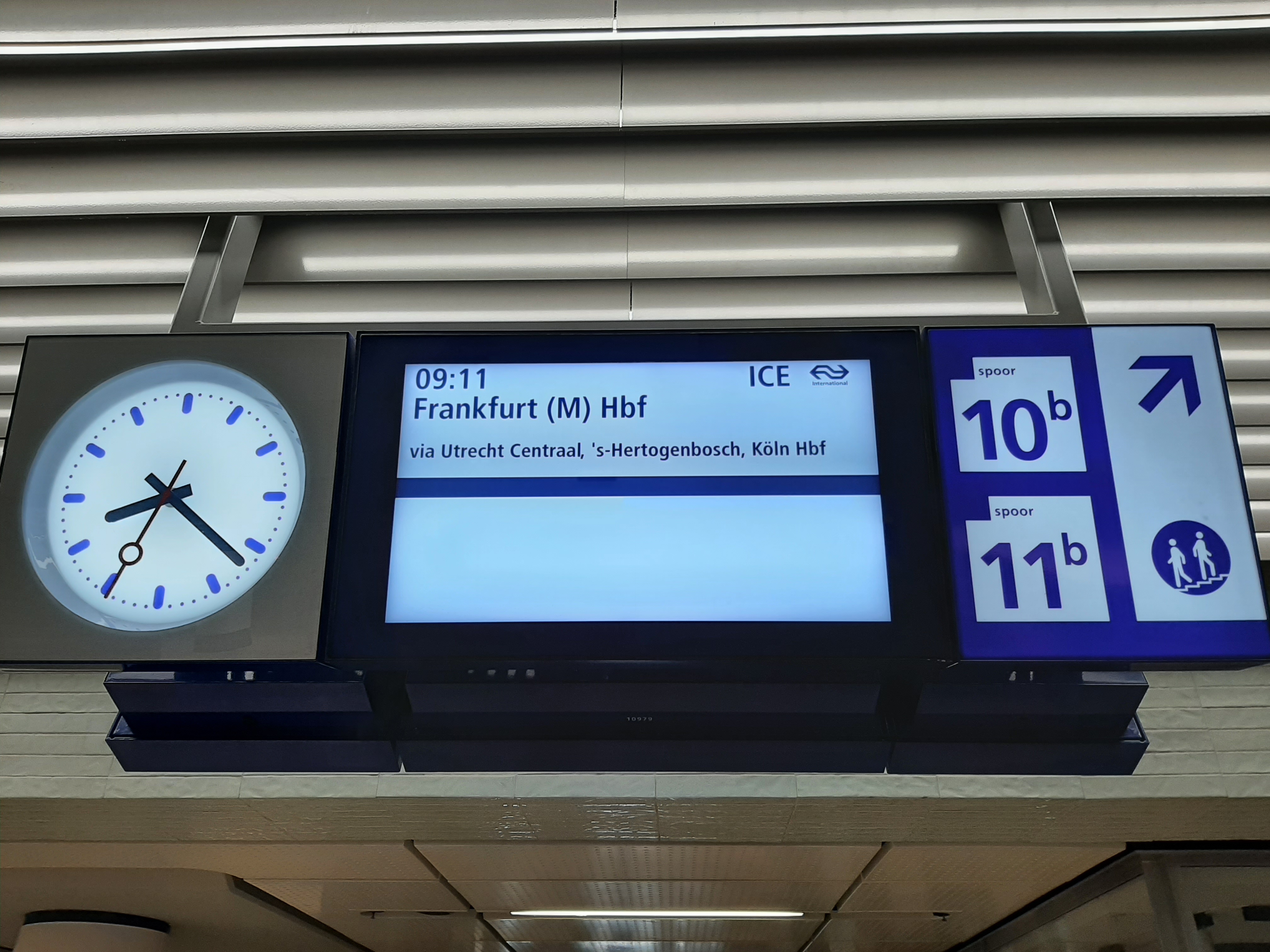
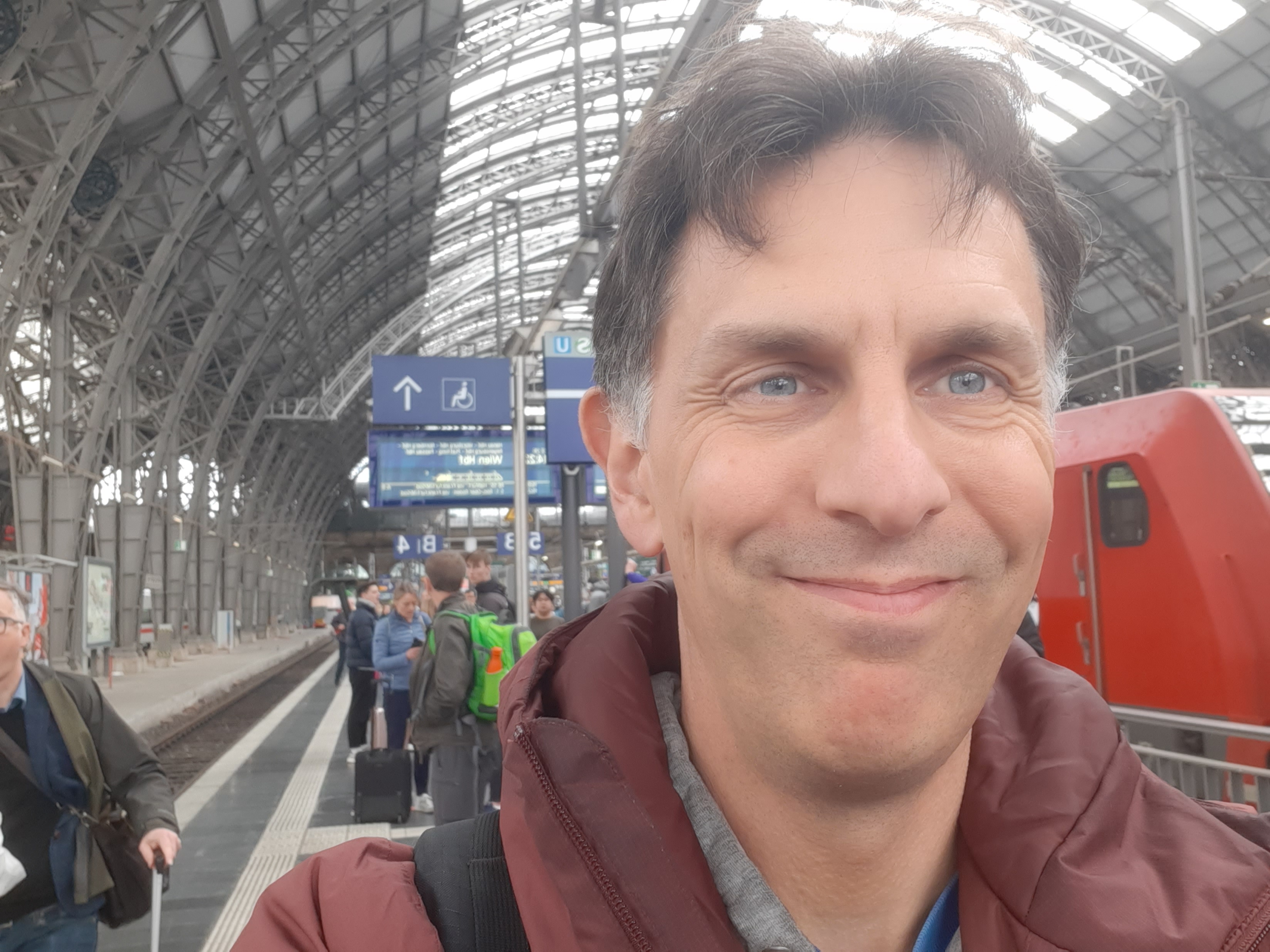
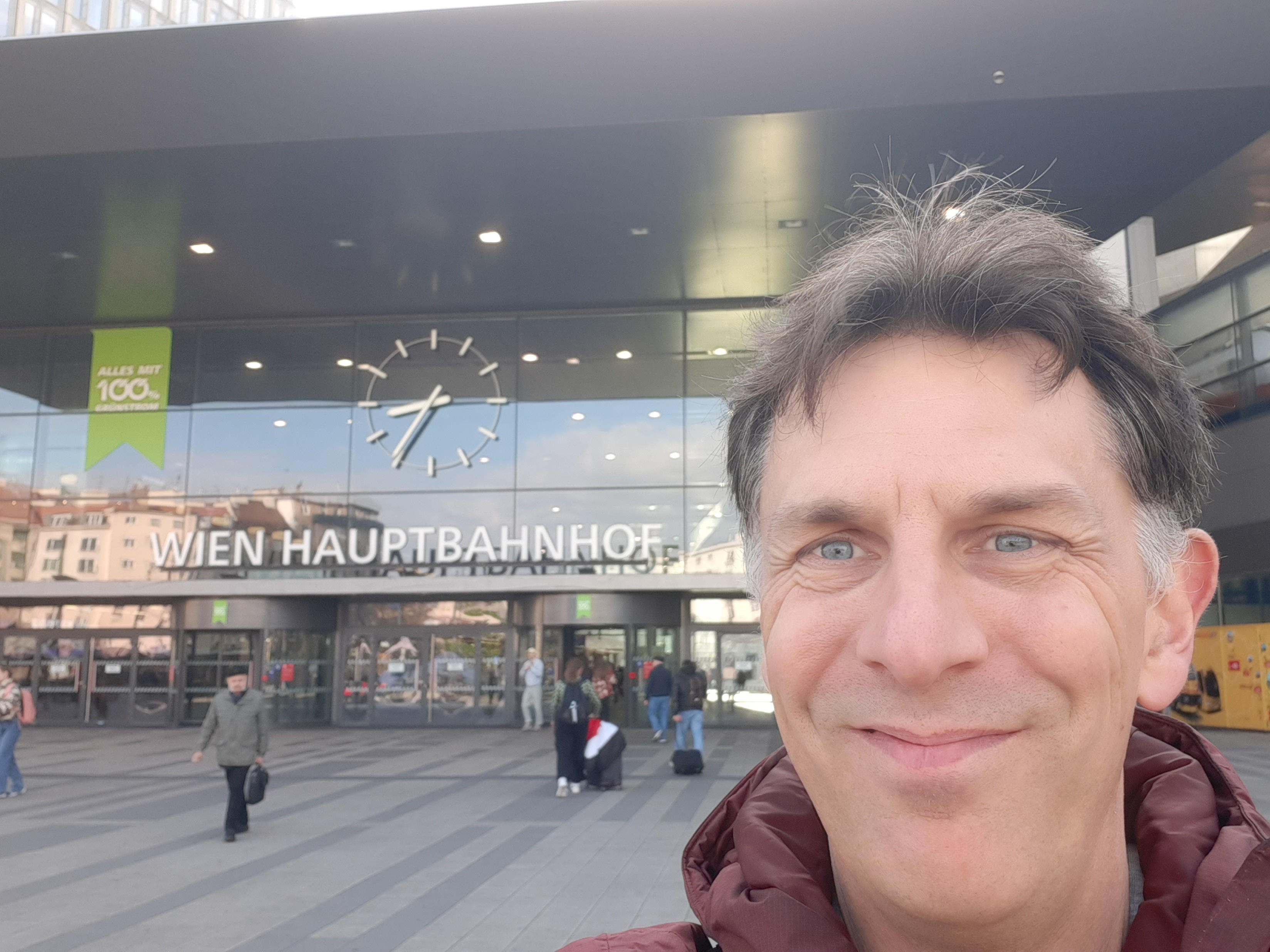
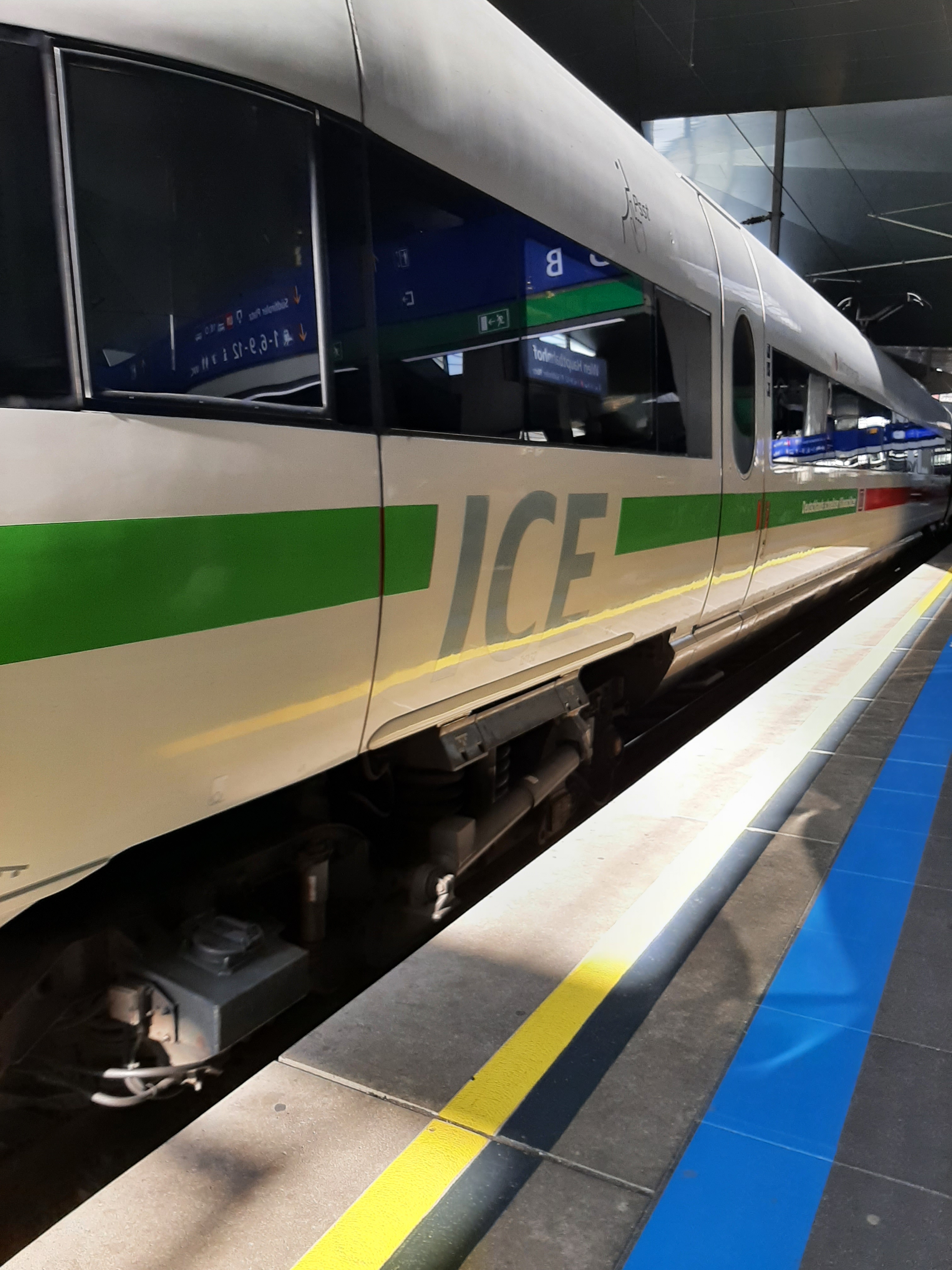
The European Geophysical Union General Assembly is taking place in Vienna this week (23-28 April 2023). Thousands of scientists from around the world have come together at the Austria Centre to discuss the latest discoveries related to our understanding of how the Earth system functions. This year I choose to travel to EGU by train from Amsterdam. It was not until later that I discovered that #Train2EGU was a “thing” (see photos below). I was not able to stay in Vienna for the whole congress so I am now back in Amsterdam. However, my time at the congress was excellent:
Listening to a wide range of talks (including sessions on past environmental change in Africa, the role of fire in shaping ecosystems and landscapes, and how we can develop new methods to extract information from sedimentary records),
Holding in-person scientific meetings with colleagues to try and figure out what the datasets mean on various projects (mainly focused on wiggly lines generated from long lake records), and
Meeting up with friends and colleagues who I had not seen for many years…
I hope all those still at EGU are having fun. While I see the necessity of scientists to get together in the same physical space to advance our field I also see the tension with the environmental impacts of travel. Getting together at big congresses such as this maybe the most travel efficient way to solve this conundrum? Anyway, I hope at least people think about their travel plans and I for one enjoyed by #Train2EGU experience; all connections met and – apart from 1 hour of very crowded conditions after leaving Frankfurt – a very pleasant experience in which I could easily work / sleep / eat.
The seminar delivered by Emma Mbua (National Museums of Kenya) on the 13th April 2023 was the twelfth in the Mapping Ancient Africa series. The seminar highlighted new finds from archaeological sites in eastern Africa that have yielded bones of various animals, including early humans.
Having recently traveled to South Africa as part of the Landscape Dynamics field course run by our graduate school, and to be thinking again about trying to obtain funding to further research in Africa, I thought it might be fun to turn to the journals in which I have an editorial hand (Plant Ecology & Diversity, Vegetation History & Archaeobotany, and The Holocene) and see what new work was coming out on African ecosystem dynamics. From each of these journals I have selected two recent papers to highlight here.
The papers come from across the continent and all have a component of the ecology of the past, but they range in focus from developing methods to extract new insights about past ecological change (Le Moyne et al., 2023) through to the application of our understanding of past ecosystems to the management of conservation areas (Wilkinson et al., 2022).
The study by Le Moyne et al. (2023) examined modern reference material of nine grass species to determine how they might be better identified in the archaeological and palaeoecological record from the phytoliths they produce. Three of the studies use different lines of evidence of past ecological dynamics to explore change over the last few thousands of years.
Champion et al. (2023) shed light on past agricultural practices in western Africa (Nigeria) through the examination of macro-botanical evidence from 50 archaeological sites and dating back c. 3500 years, hypothesizing a new route for the spread of pearl millet out of the central Sahara into the central Nigerian savannahs.
Prader et al. (2023) present a c. 4000 year geochemical, palynological and and charcoal record from Table Mountain National Park in South Africa, showing changes in the abundance of fynbos and forest plants and how this was modified by people.
Hildebrand et al. (2022) collated multiple lines of evidence of past environmental change from eastern Africa to assess changes in human activity during and after the African Humid Period (15,000-5000 years ago), highlighting the complex relationship between changes in human resource acquisition practice (fishing, hunting, gathering, and pastoralism) and environmental change.
The longest timescale perspective is provided by Milton et al. (2022) who investigated plant speciation in the Namib Desert. They combined a phylogenetic, morphometric and experimental genetic approaches to explore the evolutionary history of Senecio flavus and S. engerianus and produce palaeo-distribution models. From these data they suggest that the wider ranged species (S. flavus) is in fact derived from the smaller ranged parent (S. engerianus) and that this separation was caused by aridification during the Pleistocene.
The final paper, Wilkinson et al. (2022), take evidence for past abundances of elephants and compare them with the abundances in national parks today. They argue that modern elephant densities in national parks could be higher than the historical levels and that this could be detrimental to the flora and other fauna in the parks.
The 11th Mapping Ancient Africa seminar took place on Thursday 16 March (2023). The seminar was delivered by Hannah Keller (Yale University) and highlighted her ongoing research into ostrich egg shells and environmental change she is undertaking as part of the “Malawi Ancient Lifeways and Peoples” project.
Title: Newly discovered fossil sites in Kenya and their implications in human evolution discussions
Related publication: Mbua, E., Kusaka, S., Kunimatsu, Y., Geraads, D., Sawada, Y., Brown, F.H., Sakai, T., Boisserie, J., Saneyoshi, M., Omuombo, C., Muteti, S., Hirata, T., Hayashida, A., Iwano, H., Danhara, T., Bobe, R., Jicha, B. & Nakatsukasa, M. (2016) Kantis: A new Australopithecus site on the shoulders of the Rift Valley near Nairobi, Kenya. Journal of Human Evolution 94, 28-44. DOI: 10.1016/j.jhevol.2016.01.006
The seminar will be delivered via Zoom. The link for the seminar can be obtained from the MAA Slack channel or by contacting the chair of this seminar Rahab Kinyanjui. If you want to know more about the Mapping Ancient Africa project visit our web pages and please do not hesitate to get in contact if you want to get involved.
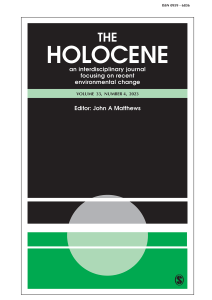
I am excited to announce that I have recently joined the “Advisory Editorial Board” of The Holocene journal. Many thanks to editor-in-chief John Matthews for the invitation. Interesting to join a very experienced team, which includes both my PhD and post-doc supervisors; the esteemed Frank Mayle and Mark Bush! I look forward to receiving interesting new papers to examine.
The Holocene journal publishes research, review and forum papers focused on environmental change during the Holocene (last 11,700 years). It encourages the submission of manuscripts with an interdisciplinary approach covering palaeoenvironments, palaeoclimate, palaeoecology, palaeohydrology, palaeopedology, palaeoceanography and geo-archaeology. So if you have a some research in this area that you are looking for a home for please check out the details aims and scope, and criteria on the journal web page, click here.
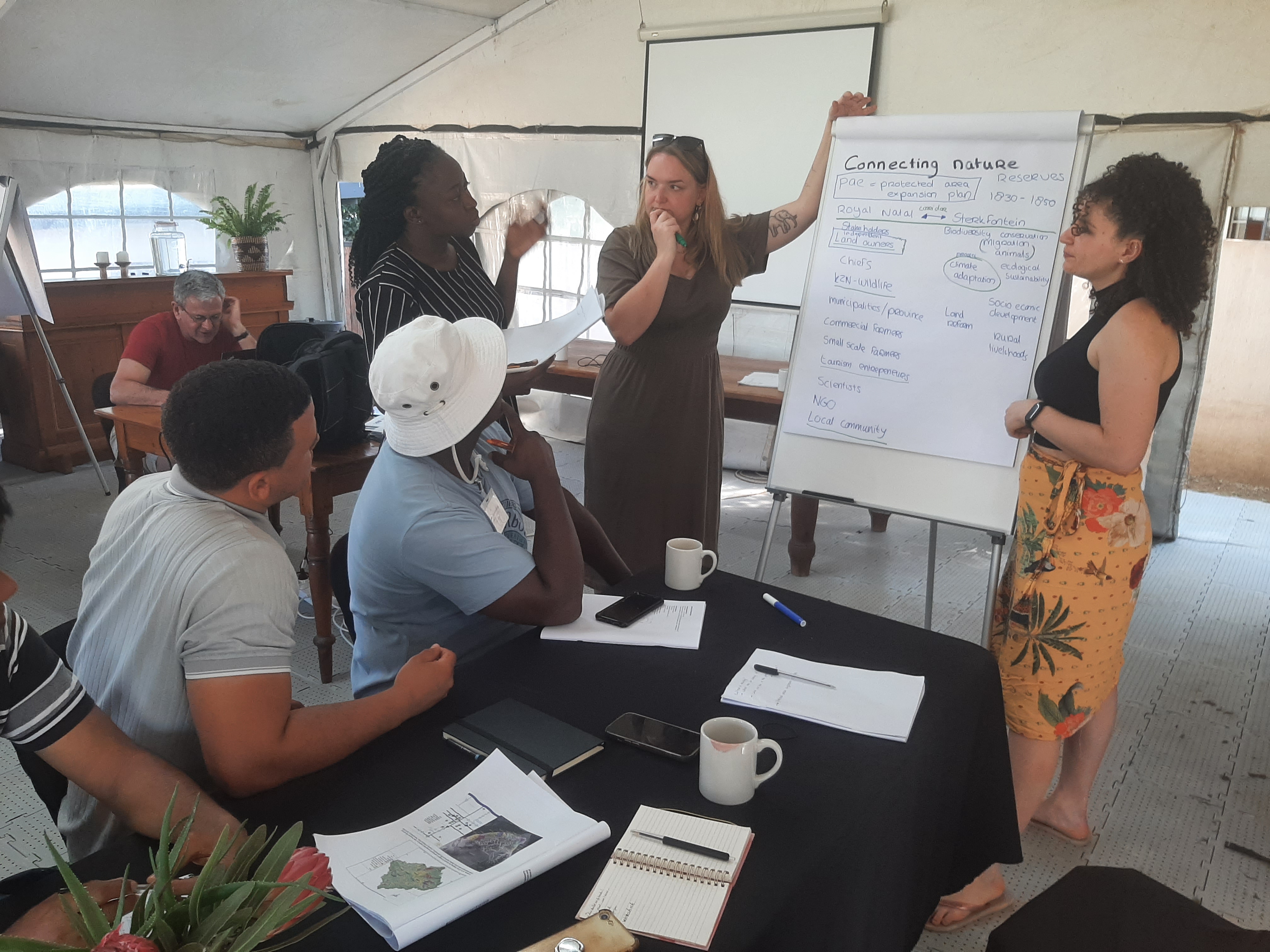
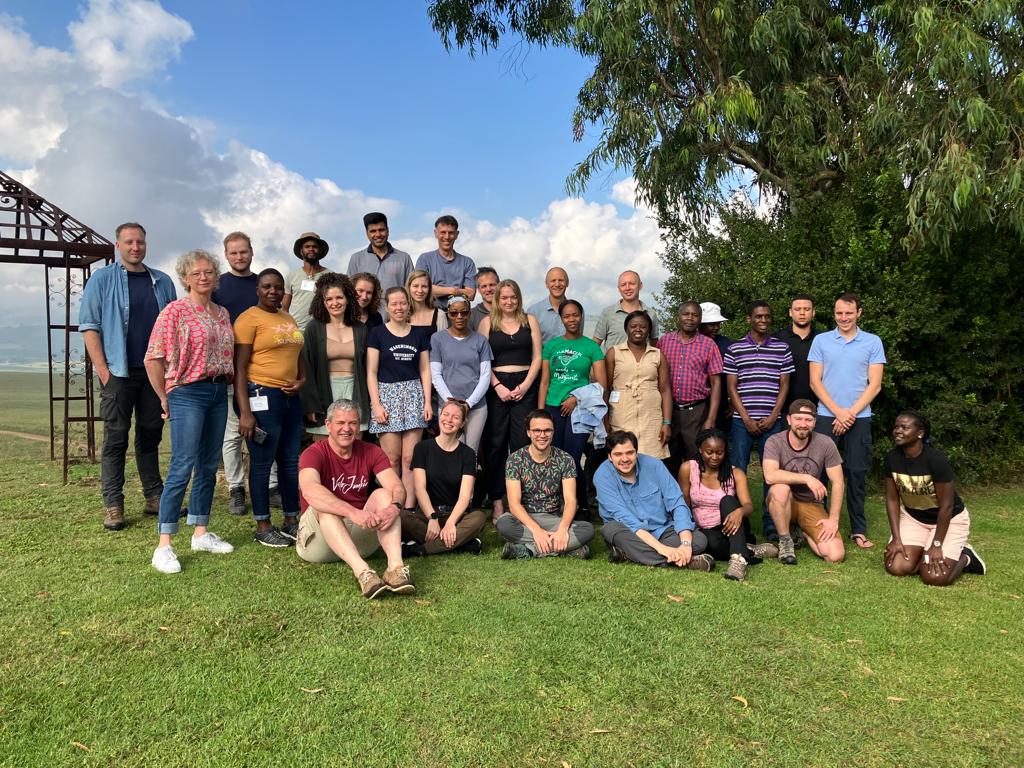
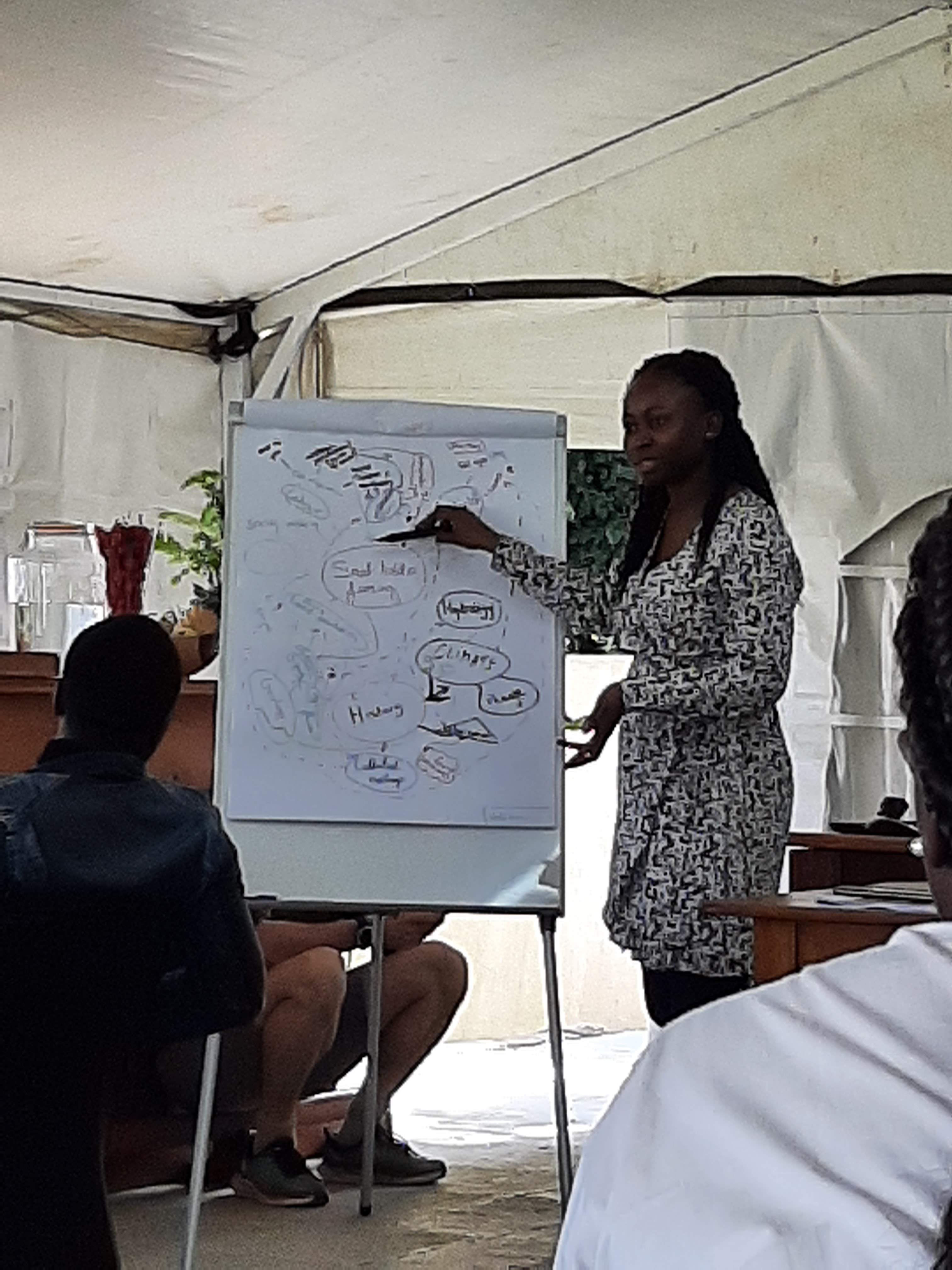
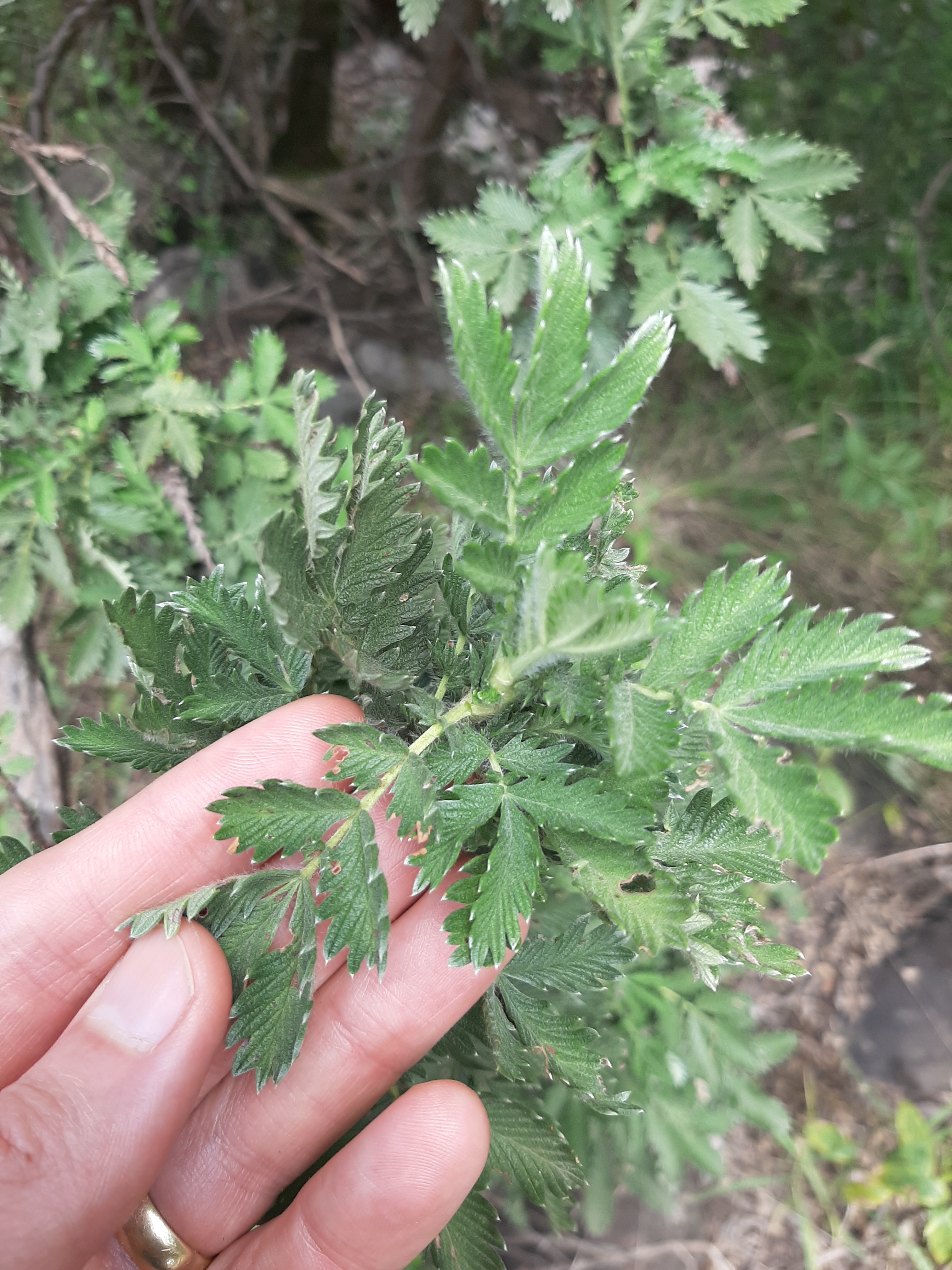
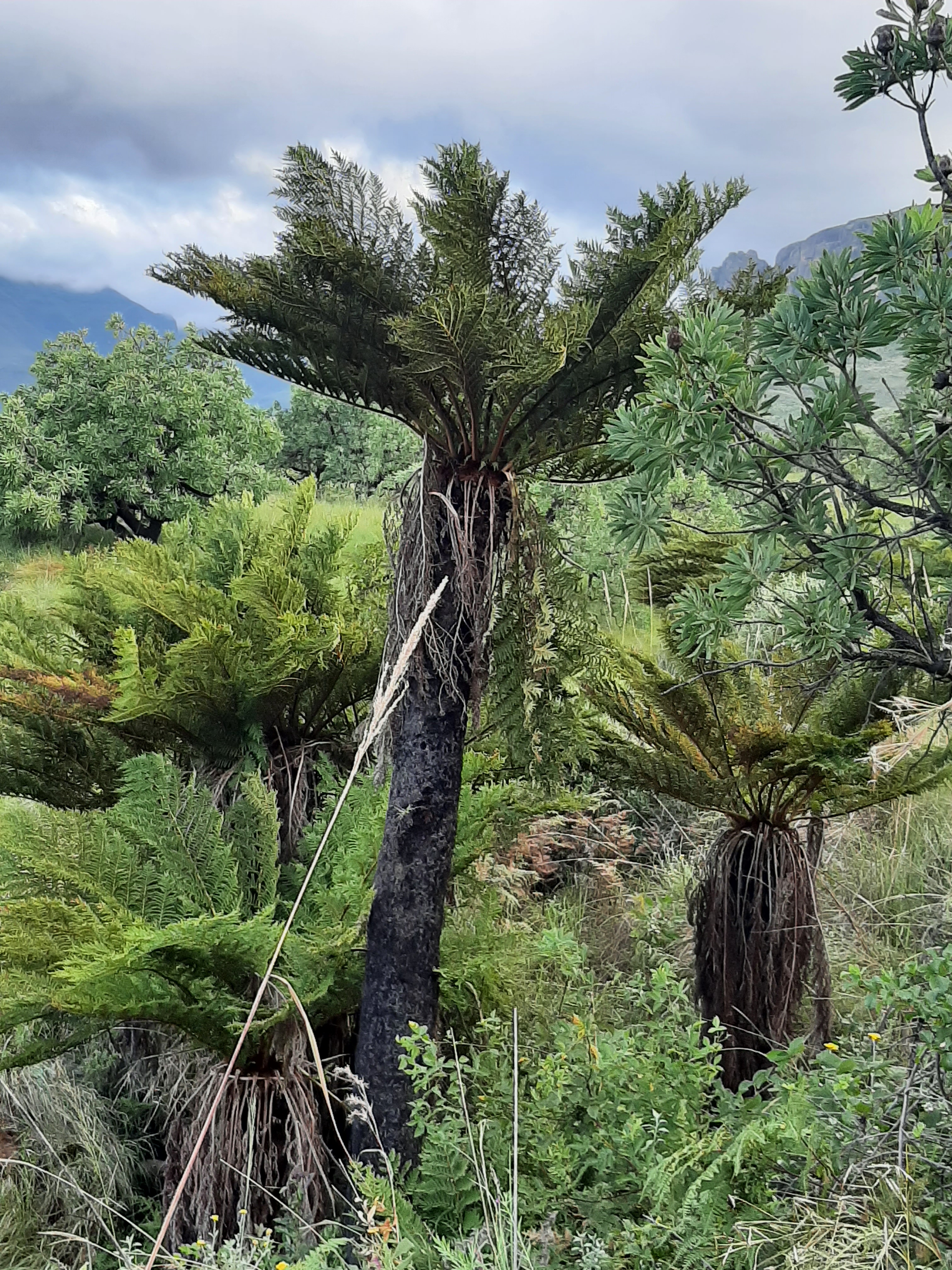
The course “Landscape Dynamics in an era of change: Learning from the past to face the future” took place in the Drakensberg Mountains of South Africa between 5 and 15 March 2023. The course was run by the Graduate School for Production Ecology and Resource Conservation (PERC) and participants were drawn from universities in the Netherlands and South Africa. The main goal of the course was to investigate the past and current dynamics of the region and predict possible futures in an inter- / trans-disciplinary context. Consequently the content of the course was incredibly diverse including: geology, geomorphology, palaeoecology, cultural history, vegetation studies, soil science, farming systems and forestry. These topics were integrated into four group projects centered on invasive species, rewilding, commercial farming and small scale farming.
Strandberg, N.A., Sear, D.A., Langdon, P.G., Cronin, S.J., Langdon, C., Maloney, A., Bateman, S., Bishop, T., Croudace, I., Leng, M., Sachs, J.P., Prebble, M., Gosling, W.D., Edwards, M. & Nogue, S. (2023) Island ecosystem responses to the Kuwae eruption and precipitation change over the last 1600 years, Efate, Vanuatu. Frontiers in Ecology and Evolution 11, 1087577. DOI: 10.3389/fevo.2023.1087577
Title: Ostrich eggshell taphonomy: Forager subsistence strategies and environmental indicators in northern Malawi during the Late Pleistocene and Early Holocene
The seminar will be delivered via Zoom. The link for the seminar can be obtained from the MAA Slack channel or by contacting the chair of this seminar Lynne Quick. If you want to know more about the Mapping Ancient Africa project visit our web pages and please do not hesitate to get in contact if you want to get involved.

















 Ecology of the past