The European Conference of Tropical Ecology is organised on behalf of the Society for Tropical Ecology. To find out more about the society click here.
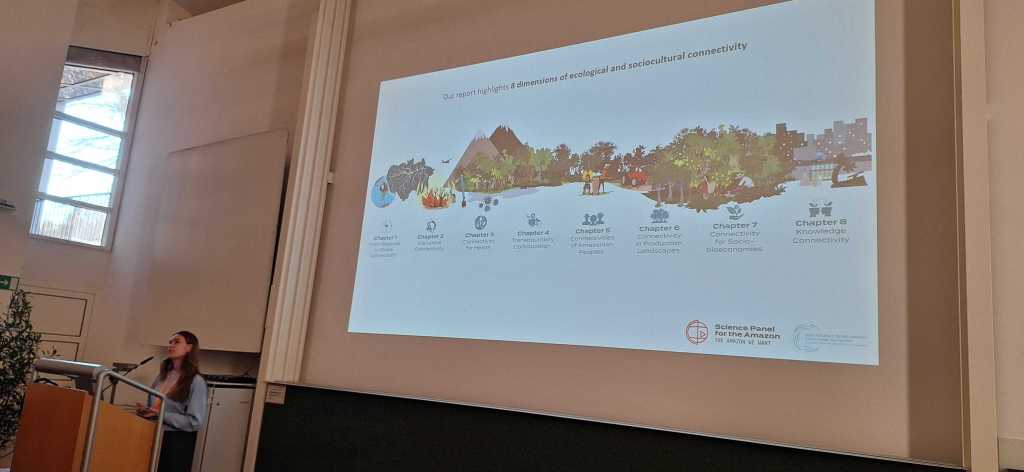
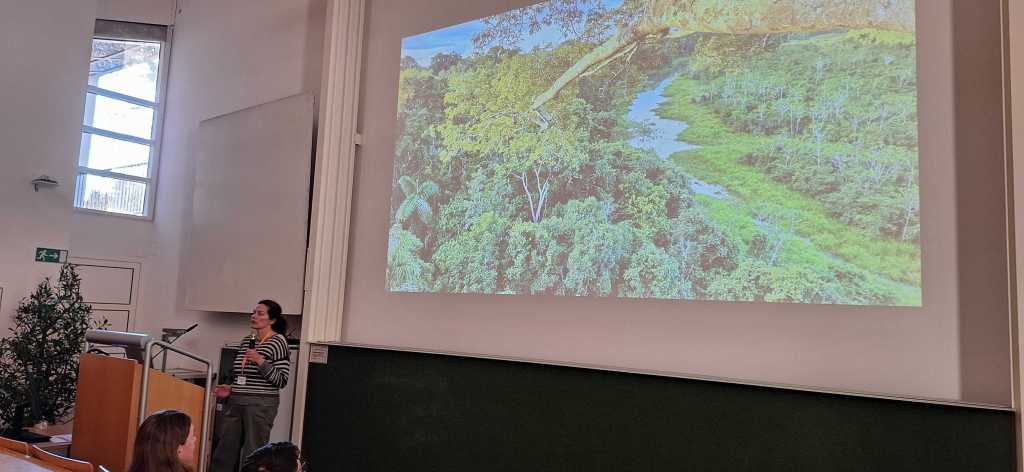
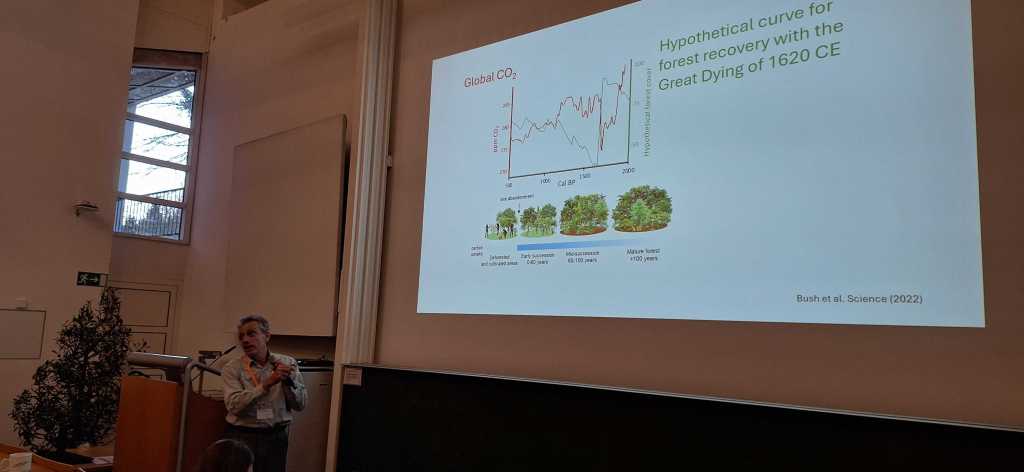
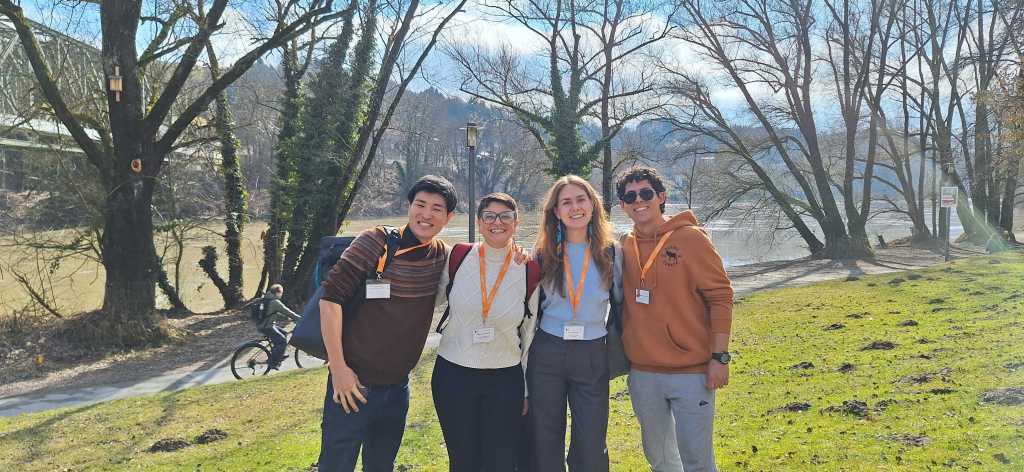
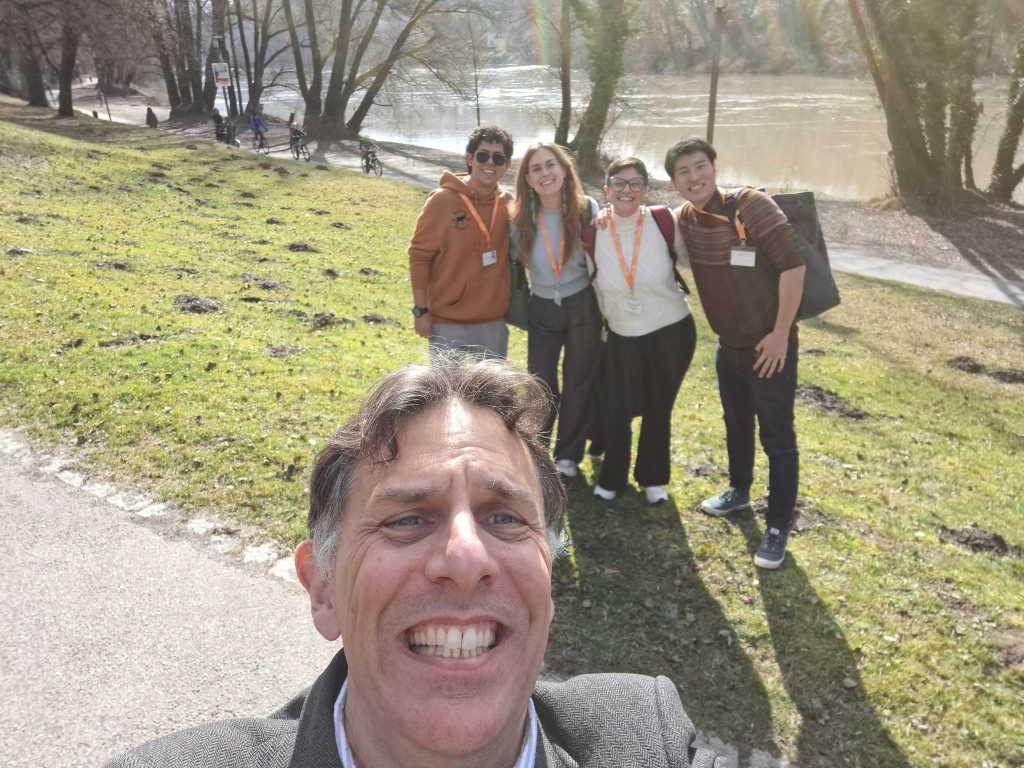
The 9th European Conferenc of Tropical Ecology took place in Passau (Germay) between the 23 and 27 February 2026. The theme of the meeting was “Species-Ecosystems-People” and it brought together around 250 tropical ecology researchers from around the globe to discuss the latest research in the field. The meeting ran very smoothly – credit to Christine Schmitt and her team at the University of Passau – and I enjoyed the conference very much. I followed sessions focused on topics ranging from climate change impacts and change through time, through human-environment interactions, to traits, and recovery and restoration.
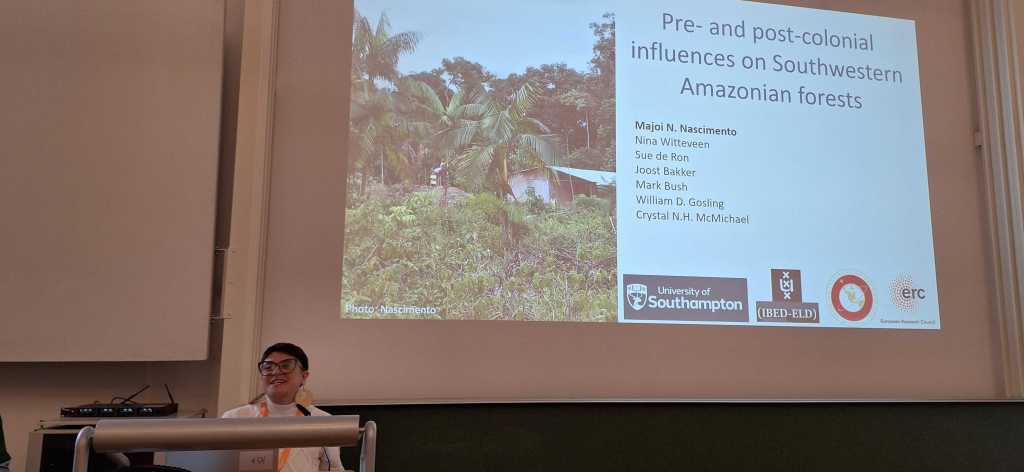
It was great to see a good contingent of tropical palaeoecologists present. With Rob Marchant (York University) providing a key note spanning past environmental change through to socio-ecological systems, entitled: “Embedding the past for balanced future tropical mountain social ecological systems”. Palaeoecological talks and posters came from around the world, including Bolivia, Cuba, Brazil, Seychelles, and Democratic Republic of Congo. All provided new insights and suggested high potential for revealing novel information about past ecosystems and the drivers of change.
The next seminar series of the Palynologische Kring (Dutch palynological society) will take place on 24 January 2025, at the Auditorium of TNO Utrecht. If you would like to attend please register by emailing the society (link).
PROGRAMME
13.00-13.15 Arrival
13.15-13.45 Irene Waajen (TNO): Re-evaluation of Early Weichselian pollen zones with new insights from the North Sea.
This week I will give a lecture on the University of Amsterdam, Institute for Interdisciplinary Studies, BSc Big History course. This course sets out with the large ambition of covering “How the histories of the cosmos, life, Earth and human societies influence each other and shape important aspects of the world together?” The small component of this that I am involved in relates to the understanding of past environmental change and how humans have shaped the landscapes we see around us today.
Related to the topic of past environmental change Prof. Henry Hooghiemstra (University of Amsterdam), and the Big History team, have produced a short video “How are civilizations influenced by climate change?”. In this video a introduction to how we can obtain information on past environmental change from the sedimentary record is given, and examples of changing landscapes and cultures in the Netherlands and Mexico are discussed.
You can find more Big History content in the University of Amsterdam Big History MOOC (Massive Online Open Content) by clicking here.
Bremond, L., Aleman, J.C., Favier, C., Blarquez, O., Colombaroli, D., Connor, S.E., Cordova, C.E., Courtney-Mustaphi, C., Dabengwa, A.N., Gil-Romera, G., Gosling, W.D., Hamilton, T., Montade, V., Razafimanantsoa, A.H.I., Power, M.J., Razanatsoa, E., Yabi, I. & Vannière, B. (2024) Past fire dynamics in sub-Saharan Africa during the last 25,000 years: Climate change and increasing human impacts. Quaternary International.DOI: 10.1016/j.quaint.2024.07.012
Vinnepand, M., Zeeden, C., Wonik, T., Gosling, W.D., Noren, A., Kück, J., Pierdominici, S., Voigt, S., Abadi, M.S., Ulfers, A., Danour, S., Afrifa, K. & Kaboth-Bahr, S. (2024) An age-depth model for Lake Bosumtwi (Ghana) to reconstruct one million years of West African climate and environmental change. Quaternary Science Reviews325, 108478. DOI: 10.1016/j.quascirev.2023.108478
Henry Hooghiemstra (University of Amsterdam) began working on “long” continental pollen records during his PhD (Hooghiemstra, 1984). After a long and distinguished career working around the Henry has just published a retrospective discussing the challenges, benefits, and prospects for investing in this aspect of palaeoecological research (Hooghiemstra, 2023).
References
Hooghiemstra, H. (2023) Making a Long Continental Pollen Record, a Fabulous and Bizarre Enterprise: A 50-year Retrospective. Palynology 47, 1-4. DOI: 10.1080/01916122.2023.2191257
Hooghiemstra, H. (1984) Vegetational and climatic history of the high plain of Bogota, Colombia: A continuous record of the last 3.5 million Years Gantner Verlag, Vaduz.
The “Environmental Management” track of the University of Amsterdam MSc Earth Sciences program is the more applied sister to the Earth System Science track. The Environmental Science track is focused on the solutions to societal challenges that can be gained from the Earth sciences. Drawing on linkages with social sciences you will gain a broad interdisciplinary training covering topics including: urban-ecological development, human-wildlife conflicts, and the climate crisis. During the degree you will work with researcher within the interdisciplinary Institute for Biodiversity & Ecosystem Dynamics (IBED), carry out an independent research project, and an internship at a societal facing organisation.
Energy and Climate Change: Investigate the relationship between climate change and energy systems, and confront the challenges of creating a decarbonised world.
GIS and Remote Sensing in Ecosystem Dynamics: Learn how to use large remotely sensed datasets to gain insights into geological, geomorphological and soil systems.
Integrated Coastal Dune Management: Explore the concept of “Resilience Thinking” in tacking the complex management task of protecting the Dutch coastline and its ecosystems.
Metropol Ecology: Focused on the part of the Earth system where people are, investigate biodiversity and ecosystems in urban systems and mega cities.
Science Based Geo-ecological Management: How can science guide environmental management, address key challenges of supporting society, includes field visit to Oostvardersplassen.
System Innovation and Transition Management: Climate, energy and agricultural systems are all changing discover how understanding their dynamics is important for governance and sustainability.
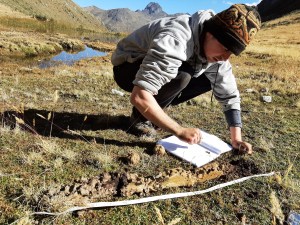
Environmental management of high Andean ecosystems. During the field school in Peru MSc Earth Science students work with locals and NGOs to improve practices (click here to find out more)
The Environmental Management track can be taken in conjunction with the “Science for Sustainability” minor offered by the Faculty of Science, or other free elective courses to broaden your program.
During the course you will do an internship to get direct experience of working outside academia. Organisations hosting internships in recent years have included:
At the University of Amsterdam the MSc Earth Science is split into two tracks, one of these is entitled: “Earth System Science”. Earth System Science is a research intensive track focused on understanding the fundamentals of abiotic and biotic interactions across the globe and through time. During this degree you will spend around 6 months studying to pick up specialist knowledge and skills, and around 18 months actively developing yourself – in your key areas of interest – through project work.
The taught part of the Earth System Science track includes courses such as:
The Earth System: Learn how to analyse Earth system function across space and through time.
Analysis & Modelling Lab: Develop skills in data handeling, analysis and modeling relevant to Earth science.
Biogeochemical Cycles in the Earth System: Study how the dynamics of carbon and nitrogen link to societal challenges.
Climate Change: Explore the scientific basis for climate change an its implications for the environment and society.
Environments Through Time: Consider and analyse environmental change on timescale relevant to landscapes, societies and climates.
GIS and Remote Sensing in Ecosystem Dynamics: Learn how to use large remotely sensed datasets to gain insights into geological, geomorphological and soil systems.
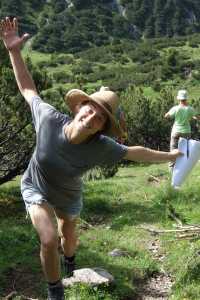
Clare Lee (on one leg, left) during field course in Peru successfully published her literature review which she conducted as part of her MSc in Earth Sciences at the University of Amsterdam.
In addition, free elective courses are possible from across the University of Amsterdam, or at other approved organizations or universities, i.e. it is possible to pick up skills in other specialisms (for example in languages, AI, or programming), or study a course at a university abroad, and have this included within your University of Amsterdam MSc Earth Science degree.
The project part of the Earth System Science track includes two research projects, or one research project and one internship with an external organization (such as a company or NGO). MSc research projects are often closely linked to active research within the Institute for Biodiversity & Ecosystem Dynamics. Some projects and literature reviews conducted by our MSc researchers reach a high enough level to be published in international scientific journals, either on there own or as part of a wider collaboration. Examples of recent papers including MSc researchers (highlighted in bold) are:
Lee, C.M., van Geel, B. & Gosling, W.D. (2022) On the use of spores of coprophilous fungi preserved in sediments to indicate past herbivore presence. Quaternary5, 30. DOI: 10.3390/quat5030030
de Nijs, E.A. & Cammeraat, E.L. (2020) The stability and fate of Soil Organic Carbon during the transport phase of soil erosion. Earth-Science Reviews 201, 103067. DOI: 10.1016/j.earscirev.2019.103067
The MSc Earth Sciences at the University of Amsterdam has a new look for the start of the next academic year (starting September 2023). Drawing on the international research expertise of our staff it is now possible to tailor your studies within two complementary tracks:
Earth System Science: Focused on fundamental aspects of Earth science, such as biogeochemical cycles, climate dynamics, and past environmental change. Our education follows our research in exploring how abiotic and biotic elements of the Earths system interact through time and across the globe.
Environmental Management: Focused on the interface between Earth science and society, key topics include: management of coastal systems, ecosystem dynamics in urban environments, and the relationship between science policy and ethics. During your internship you will have the opportunity to engage with societal partners to develop skills and projects.
For both tracks education is delivered through lectures, field courses, laboratory practical’s, and data analysis. Furthermore, you will get the chance to develop your own research agenda by conducting a project with one of our scientists, or at an external partner or university. In addition to expert knowledge our graduates have transferable skills in data handeling, numerical analysis, and science communication.
To find out more about our program visit click here to visit the MSc Earth Sciences pages on the University of Amsterdam web site.






 Ecology of the past