The Mapping Ancient Africa (MAA) workshop in Rome will take place on the 12 and 13 July 2023. The workshop supported by International Union for Quaternary Research (INQUA) and hosted by the Royal Netherlands Institute in Rome. During the workshop we will be working towards aims of the MAA project to strengthen the research community of Quaternary scientists working across Africa, and to further our scientific goals of understanding past climate change. To achieve this we will work collaboratively to:
simulate past climate change in Africa,
develop the proposed Special Issue of Quaternary International, and
plan the next steps for the MAA project.
Twenty-seven people are registered for the workshop and we look forward to seeing them in Rome. If you are not registered for the workshop but still want to participate this is possible. On the 13 July between 15:00 and 18:00 CEST the workshop sessions will be online via Zoom. To obtain the Zoom link either visit the MAA Slack channel, or contact William Gosling. During the online part of the meeting we will present the outputs from the palaeoclimate mapping activity, the plans for the special issue, and outline the ideas future of MAA. Feedback from the wider MAA community will be very welcome.
van der Sande, M.T., Bush, M.B., Åkesson, C.M., Berrio, J.C., Correia Metrio, A., Flantua, S.G.A., Hooghiemstra, H., Maezumi, S.Y., McMichael, C.N.H., Montoya, E., Mosblech, N.A.S., de Novaes Nascimento, M., Peña-Claros, M., Poorter, L., Raczka, M.F. & Gosling, W.D. (2023) Warming, drought, and disturbances lead to shifts in functional composition: A millennial-scale analysis for Amazonian and Andean sites. Global Change Biology. DOI: 10.1111/gcb.16818
The June 2023 meeting of the Dutch palynological society (Palynologische Kring) took place at the offices of the Dutch National Cultural Heritage Agency (Rijksdienst Cultureel Erfgoed) in Amersfoort. The focus of this meeting was the past forest landscape of the Netherlands. The meeting included the annual report of the society, three scientific talks, and a prize giving for the best MSc thesis.
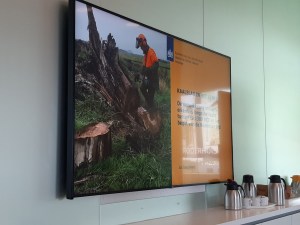
Presentation of Jos Bazelmans showed the huge amount of woody material extracted from Dutch peat bogs.
The scientific part of the meeting was kicked off my Roy van Beek who presented results from his ongoing project on the peatlands of the Netherlands which suggest peatland expansion occurred between 5500 and 3500 years ago (van Beek et al., 2023). The second talk was by our host, Otto Brinkkemper, and traced the history of woodlands across the Netherlands on the basis of macrofossil finds; including huge tree stumps remarkably preserved in peatlands (Bazelmans et al., 2021; Kooistra et al., 2006). The final talk was given by Jos Bazelmans who showed the remarkably high volume of tree stumps that have been recovered from the Netherlands, and how tree rings from these 100s of record are being used to reconstruct forest histories and past climate change. It was interesting to hear that the average age of the tree stumps found was around 250 years, and that some of the trees had lived to around 400 years in exceptional cases.
Kelly with her proud supervisors Stefan Uitdehaag (right), and I (left)
The final section of the meeting was the prize giving. Corrie Barkels, on behalf of the independent judging panel, announced Kelly van Leeuwen as the winner for her thesis entitled “Using soils samples and footwear to improve forensic palynology”. Her thesis was conducted at the University of Amsterdam as part of her MSc Earth Sciences degree and was conducted in collaboration with the Netherlands Forensic Institute. Congratulations Kelly!
The thirteenth Mapping Ancient Africa seminar was delivered by Andrea Manica on the 18th May 2023. In the seminar Andrea introduced the pastclim R package and gave examples of how it can be applied to address questions related to human evolution and dispersal.
Related publication: Leonardi, M., Hallett, E.Y., Beyer, R., Krapp, M. & Manica, A. (2023) pastclim 1.2: an R package to easily access and use paleoclimatic reconstructions. Ecography 2023, e06481. DOI: 10.1111/ecog.06481
The seminar will be delivered via Zoom. The link for the seminar can be obtained from the MAA Slack channel or by contacting the chair of this seminar (William Gosling). If you want to know more about the Mapping Ancient Africa project visit our web pages and please do not hesitate to get in contact if you want to get involved.
On Wednesday 11 May 2023 I was delighted to give a online seminar for the African Pollen Database group on integrating palaeoecological data into educational programs. Thanks to Sarah Ivory, Chris Kiahtipes, and Alejandra Domic for inviting me and organizing this series.
I covered topics including the motivation of students, designing a MSc level course, and setting up BSc/MSc research projects. My presentation was centered around my personal experience of running courses for BSc Biology and Future Plant Studies students (Palaeoecology), and for MSc Earth Science and Biological Science students (Environments Through Time) at the University of Amsterdam. It was nice to get a wider perspective from discussion with the audience and to pick up some additional ideas and advice. If you have other thoughts on this topic please feel free to comment on this post.
The entire African Pollen Database online seminar series is now available to watch via the associated YouTube channel. So to find more click here.
In addition to researchers, many of us are also educators! William Gosling (this blog’s esteemed owner) will be leading a discussion of how to use the African Pollen Database (APD) for outreach and education! Please join us Wed, May 10 at 9am EDT (time zone converter). Please email sji15@psu.edu for the zoom link and instructions.
At this workshop, Will is going to focus on:
Why incorporating paleoecology in education is important.
Some theory about pedagogy related to paleoecology.
Discussion of specific ideas targeted at different groups (e.g. undergraduates, informal education).
Do you have exercises and modules that you have incorporated paleoecological data into? If so, we’d love to hear some of your ideas as well!
For more information, check out the schedule below and see past workshops here.
Ondrej Mottl and Suzette Flantua will be presenting an African Pollen Database (APD) practical tutorial about working with paleoecological data in R ! Please join us Wed, April 26 at 9am EDT (time zone converter). Please email sji15@psu.edu for the zoom link and instructions.
At this workshop, you will learn to use the new Ratepol package (info here and here):
search for APD sites from Neotoma in R
begin making age models
calculate rates of change for vegetation from pollen records
For more information, check out the schedule below and see past workshops here.
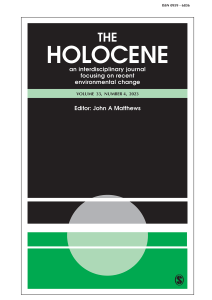
I am excited to announce that I have recently joined the “Advisory Editorial Board” of The Holocene journal. Many thanks to editor-in-chief John Matthews for the invitation. Interesting to join a very experienced team, which includes both my PhD and post-doc supervisors; the esteemed Frank Mayle and Mark Bush! I look forward to receiving interesting new papers to examine.
The Holocene journal publishes research, review and forum papers focused on environmental change during the Holocene (last 11,700 years). It encourages the submission of manuscripts with an interdisciplinary approach covering palaeoenvironments, palaeoclimate, palaeoecology, palaeohydrology, palaeopedology, palaeoceanography and geo-archaeology. So if you have a some research in this area that you are looking for a home for please check out the details aims and scope, and criteria on the journal web page, click here.
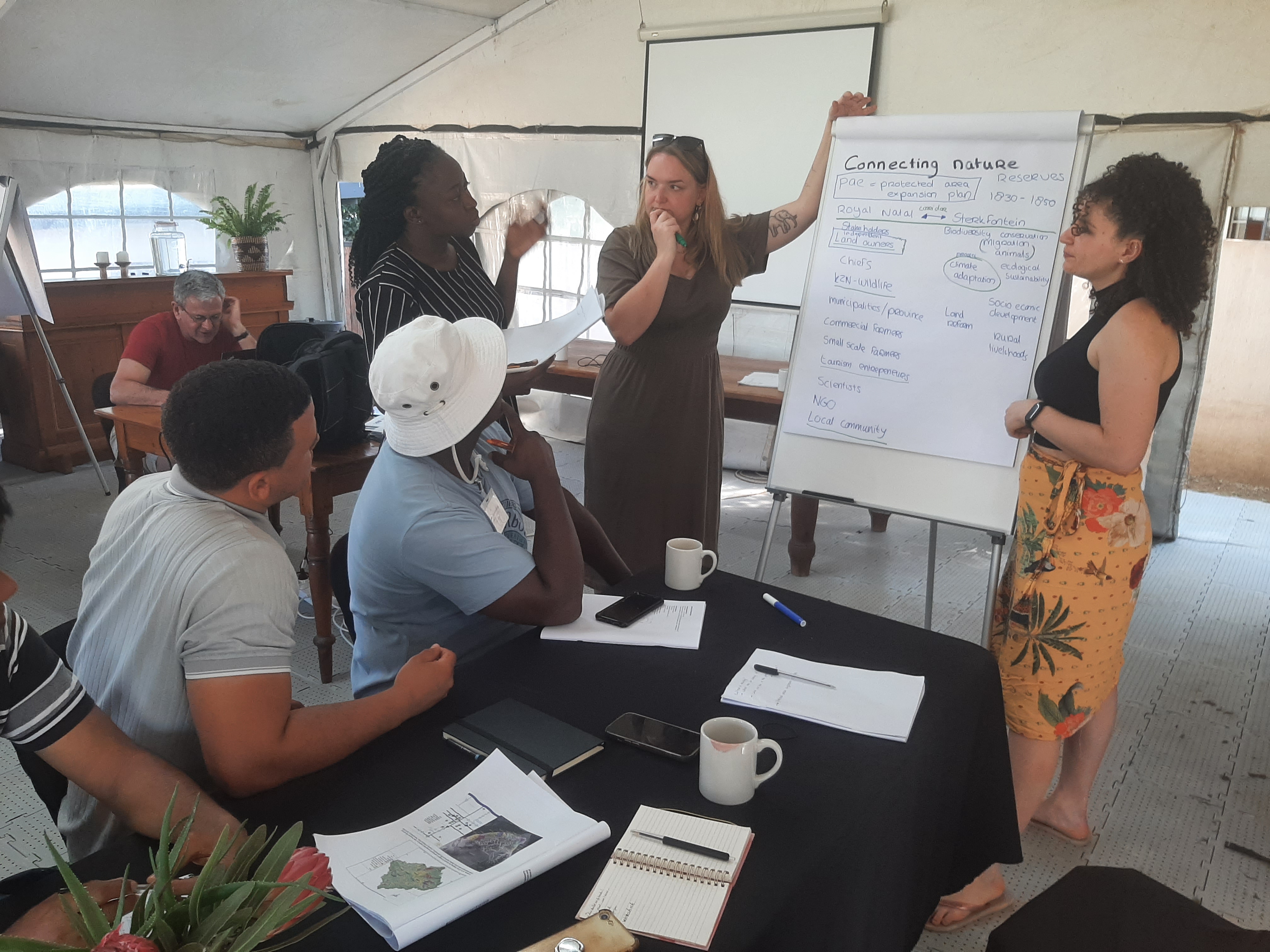
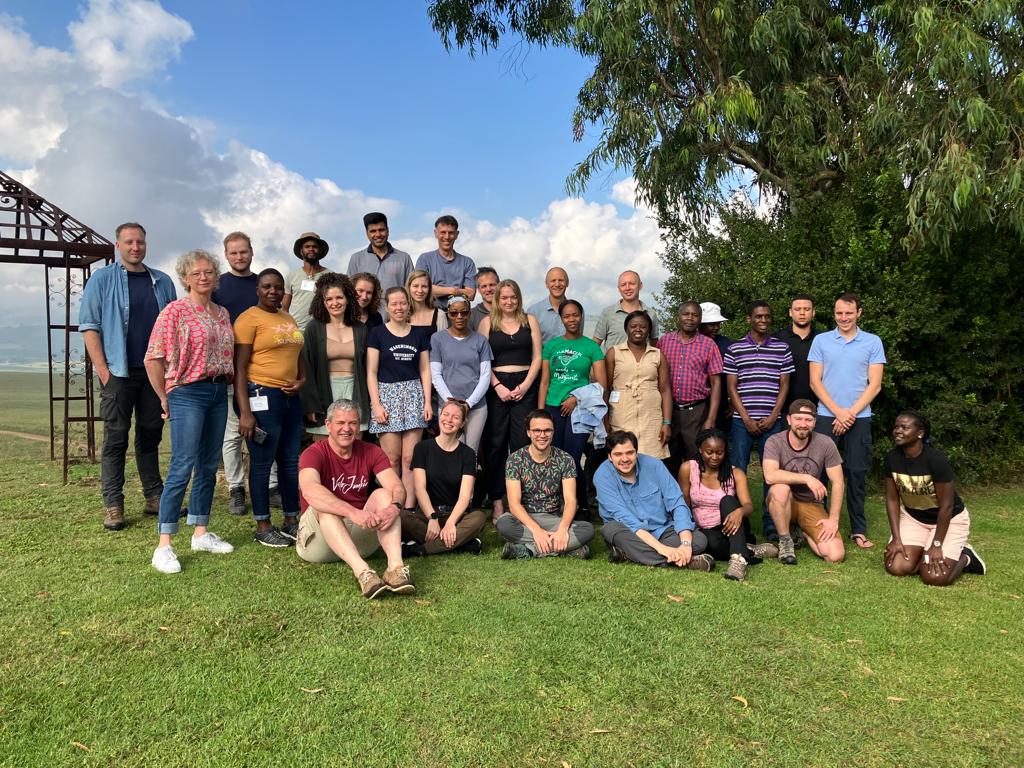
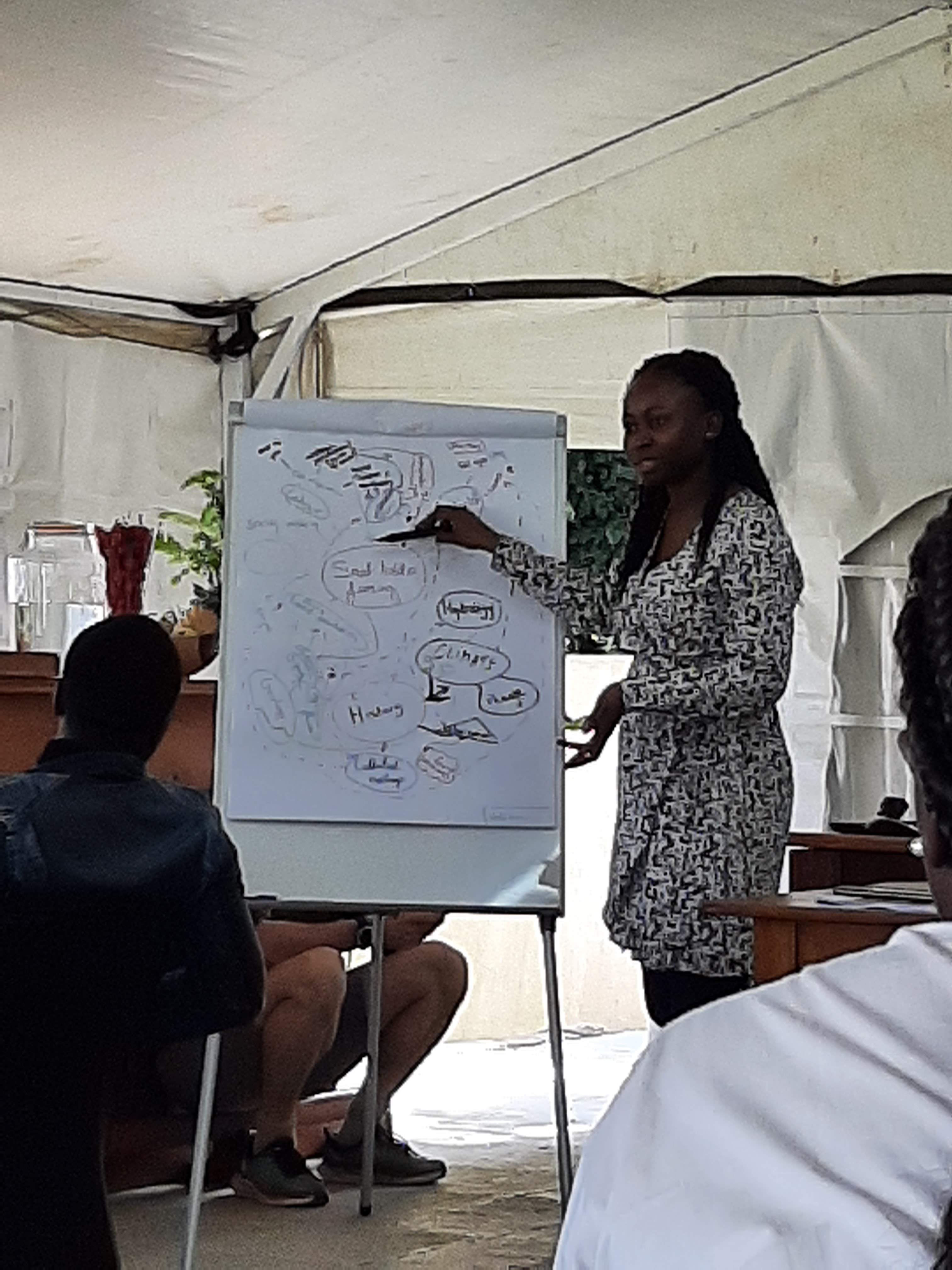
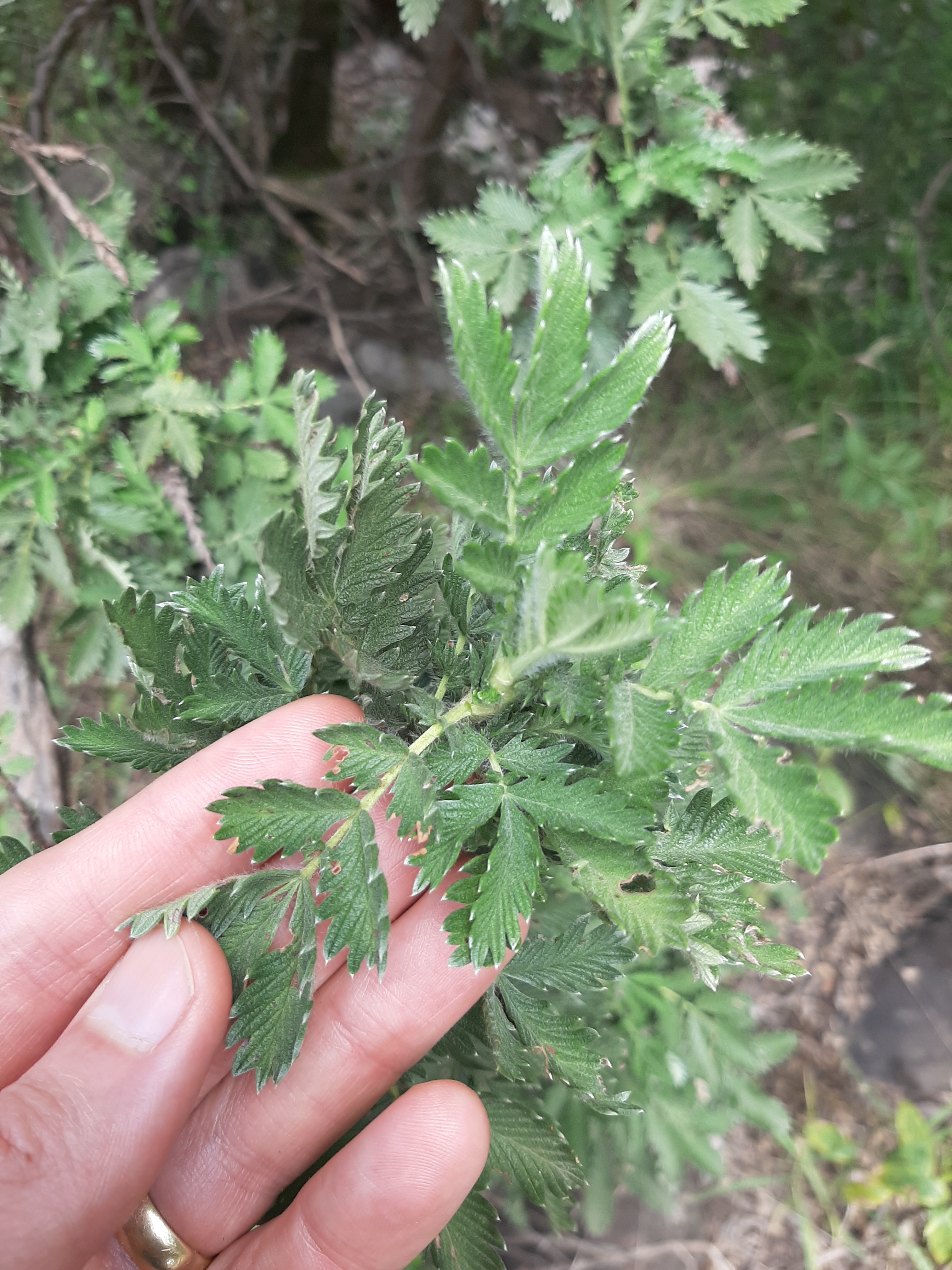
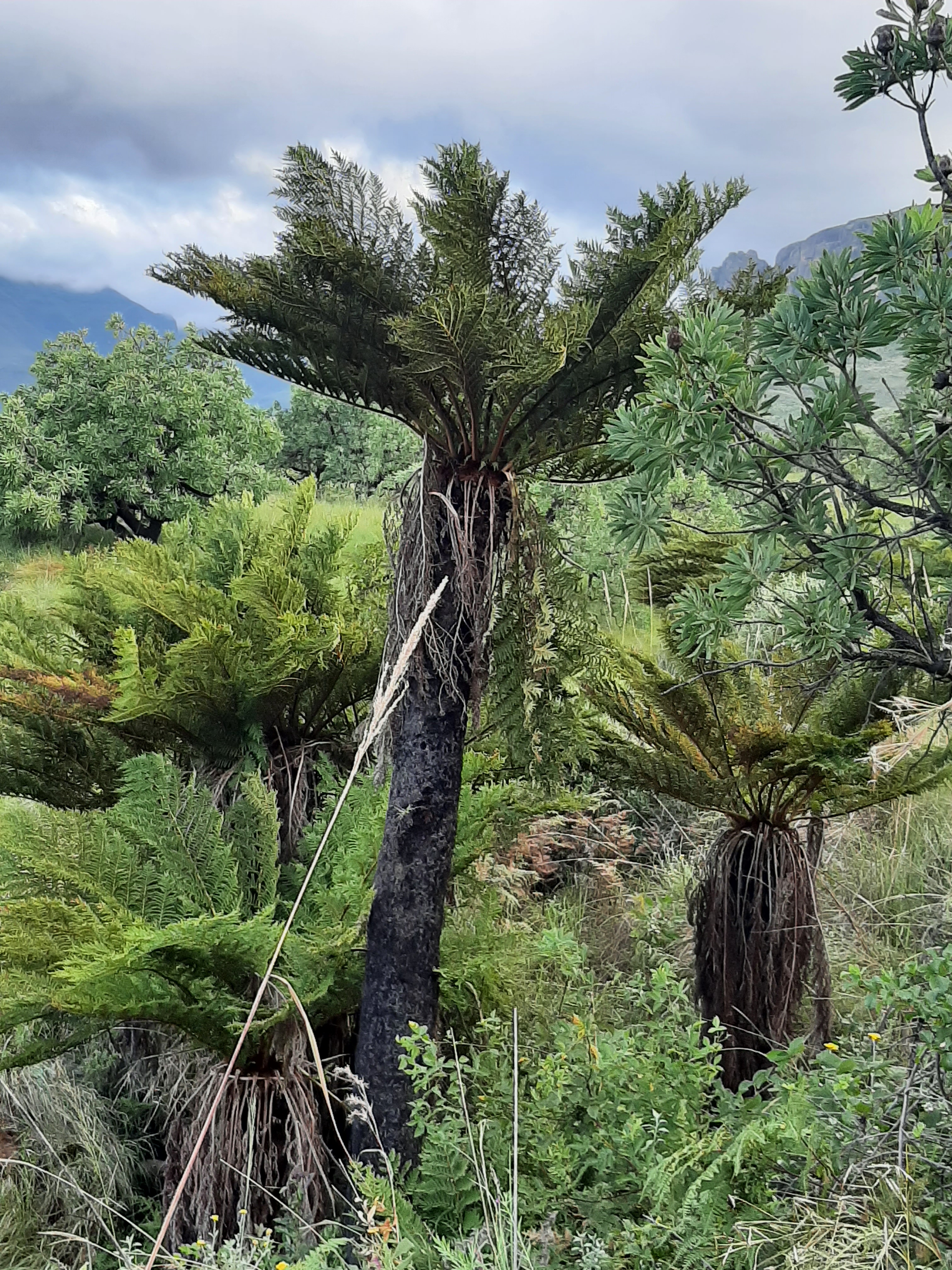
The course “Landscape Dynamics in an era of change: Learning from the past to face the future” took place in the Drakensberg Mountains of South Africa between 5 and 15 March 2023. The course was run by the Graduate School for Production Ecology and Resource Conservation (PERC) and participants were drawn from universities in the Netherlands and South Africa. The main goal of the course was to investigate the past and current dynamics of the region and predict possible futures in an inter- / trans-disciplinary context. Consequently the content of the course was incredibly diverse including: geology, geomorphology, palaeoecology, cultural history, vegetation studies, soil science, farming systems and forestry. These topics were integrated into four group projects centered on invasive species, rewilding, commercial farming and small scale farming.














 Ecology of the past