Palaeoecology course 2023

September 6, 2023
WDG

The pollen and phytolith identification quiz! Is that an Asteraceae phytolith I see…???

The University of Amsterdam “Palaeoecology” course commenced this week with lectures getting students up to speed with the fundamental principles and approaches to the subject, and laboratory practicals training students in the identification of micro- and macro-fossils. Once students have gained a basic understanding of pollen and phytolith identification – and demonstrated this by passing the ‘dreaded’ identification quiz – it is time to commence the group project work.

This year the students are trying to identify from which study site their ‘mystery slides’ come from on the basis of the micro-fossil assemblages (pollen and phytoliths) that they contain. The study sites all come from the area around Hilversum (Netherlands) and (could) include: heathland, pine forest, mix-deciduous forest, and birch woodlands. In addition, just to make it more interesting, one group has samples taken from the medieval palaeosol that is found locally.

Next week is field work week and the students will then need to parameterise the vegetation around the Hilversum area in such a way that they: (i) get a representative sample the variation across the landscape, and (ii) can compare the vegetation data with their micro-fossil data. Then, following the number crunching in the third week of the course, we will find out if the different groups can identify the correct study site from which there samples came…

The Palaeoecology course at the University of Amsterdam is part of the BSc Biology program, it is also frequently taken by students on the BSc Future Planet Studies degree. We also welcome students from other programs, such as BSc Béta-Gamma, and international exchange students.

Mapping Ancient Africa: Rome workshop – the team

July 16, 2023
WDG

In person attendees (left to right): William Gosling (University of Amsterdam), Busisiwe Hlophe (University of Witwatersrand), Michela Leonardi (University of Cambridge), Soléne Boisard (University of Montréal), Rahab Kinyanjui (National Museums of Kenya), Trevor Hill (University of KwaZulu-Natal), Mathias Vinnepand (Johannes Gutenberg-University of Mainz), Tom Johnson (University of Massachusetts Amherst), Manu Chevalier (University of Bonn), Brian Chase (CNRS: Montpellier), Stefanie Kaboth-Bahr (Free University of Berlin), Markus Fischer (University of Potsdam), Bahru Zinaye Asegahegn (University of Cologne), Alfred Houngnon (AGIR), and Jemma Finch (University of KwaZulu-Natal); present but not in photo Angela Effion (University of Witswatersrand).

A further nine participants were anticipated to attend the workshop but, due to a combination of the non-issue of visas, logistical difficulties and ill health, they were not able to attend at the last moment. These were: Aliyu Adamu Isa (Ahmadu Bello University), George Biddulph (University of St Andrews), Olugbenga Boboye (University of Ibadan), Husna Mashaka (University of Nairobi), Emma Mbua (National Museums of Kenya), Aissatou Thiam Ndong (University of Cheikh Diop, Dakar), Adisa Ogunfolakan (Leventis Museum of Natural History), Alice Paine (University of Oxford), and Lynne Quick (Nelson Mandela University). Some people were able to attend partly online. Some have now made it to Rome and we hope to catch up at the INQUA Rome congress (Session 64) if not before. We hope that all will continue to be involved with the Mapping Ancient Africa project.

  • To find out more about the workshop click here.
  • To find out more about the project click here.
  • To see more workshop photos click here.
INQUAlogo

Unissued Diplomas

June 30, 2023
WDG

I would like to draw readers attention to the “Unissued Diplomas” exhibition that documents stories of students killed in the ongoing war in Ukraine. This exhibition is currently on display in the entrance hall of the Science Faculty building of the University of Amsterdam. You can view the exhibition online at: https://www.unissueddiplomas.org/

Lost forests of the Netherlands

June 13, 2023
WDG

The June 2023 meeting of the Dutch palynological society (Palynologische Kring) took place at the offices of the Dutch National Cultural Heritage Agency (Rijksdienst Cultureel Erfgoed) in Amersfoort. The focus of this meeting was the past forest landscape of the Netherlands. The meeting included the annual report of the society, three scientific talks, and a prize giving for the best MSc thesis.

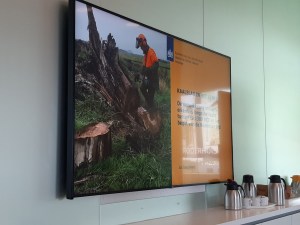
Presentation of Jos Bazelmans showed the huge amount of woody material extracted from Dutch peat bogs.

The annual report of the society showed a healthy finances and membership (>100 members). Two key events from last year were the award of the societies highest award, the Jongmanspenning, to Margaret Collinson for her massive contribution to the field, and the annual excursion; in 2022 this was to Leiden and included visits to Roman archaeological sites.

Kelly van Leeuwen winner of the 2023 Florschütz Award

The scientific part of the meeting was kicked off my Roy van Beek who presented results from his ongoing project on the peatlands of the Netherlands which suggest peatland expansion occurred between 5500 and 3500 years ago (van Beek et al., 2023). The second talk was by our host, Otto Brinkkemper, and traced the history of woodlands across the Netherlands on the basis of macrofossil finds; including huge tree stumps remarkably preserved in peatlands (Bazelmans et al., 2021; Kooistra et al., 2006). The final talk was given by Jos Bazelmans who showed the remarkably high volume of tree stumps that have been recovered from the Netherlands, and how tree rings from these 100s of record are being used to reconstruct forest histories and past climate change. It was interesting to hear that the average age of the tree stumps found was around 250 years, and that some of the trees had lived to around 400 years in exceptional cases.

Kelly with her proud supervisors Stefan Uitdehaag (right), and I (left)

The final section of the meeting was the prize giving. Corrie Barkels, on behalf of the independent judging panel, announced Kelly van Leeuwen as the winner for her thesis entitled “Using soils samples and footwear to improve forensic palynology”. Her thesis was conducted at the University of Amsterdam as part of her MSc Earth Sciences degree and was conducted in collaboration with the Netherlands Forensic Institute. Congratulations Kelly!

Continue Reading

Engaging people with pollen data

May 11, 2023
WDG

Educational activities include use of the Neotoma Database

On Wednesday 11 May 2023 I was delighted to give a online seminar for the African Pollen Database group on integrating palaeoecological data into educational programs. Thanks to Sarah Ivory, Chris Kiahtipes, and Alejandra Domic for inviting me and organizing this series.

I covered topics including the motivation of students, designing a MSc level course, and setting up BSc/MSc research projects. My presentation was centered around my personal experience of running courses for BSc Biology and Future Plant Studies students (Palaeoecology), and for MSc Earth Science and Biological Science students (Environments Through Time) at the University of Amsterdam. It was nice to get a wider perspective from discussion with the audience and to pick up some additional ideas and advice. If you have other thoughts on this topic please feel free to comment on this post.

The entire African Pollen Database online seminar series is now available to watch via the associated YouTube channel. So to find more click here.

Landscape Dynamics in an era of change

March 15, 2023
WDG

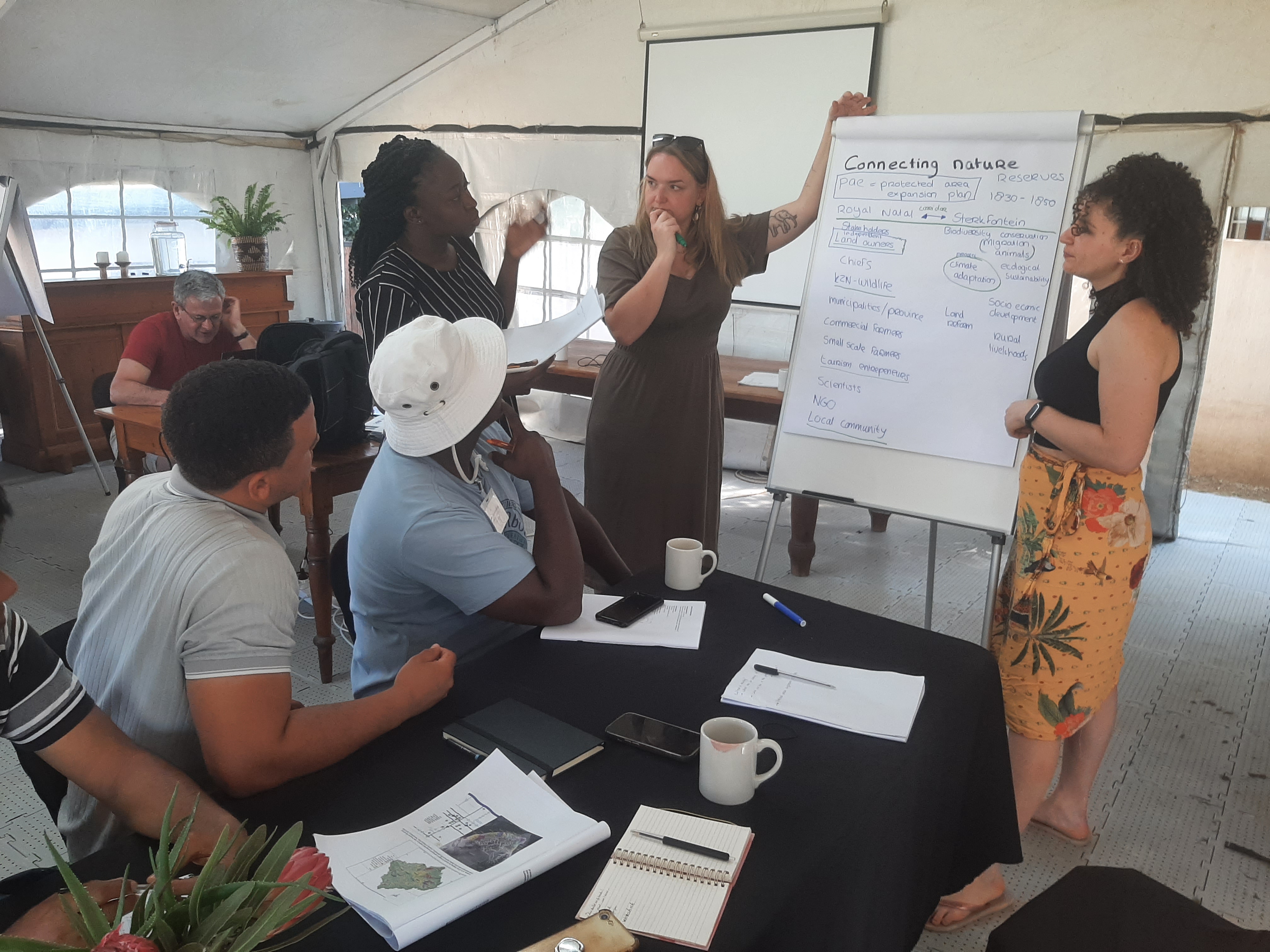
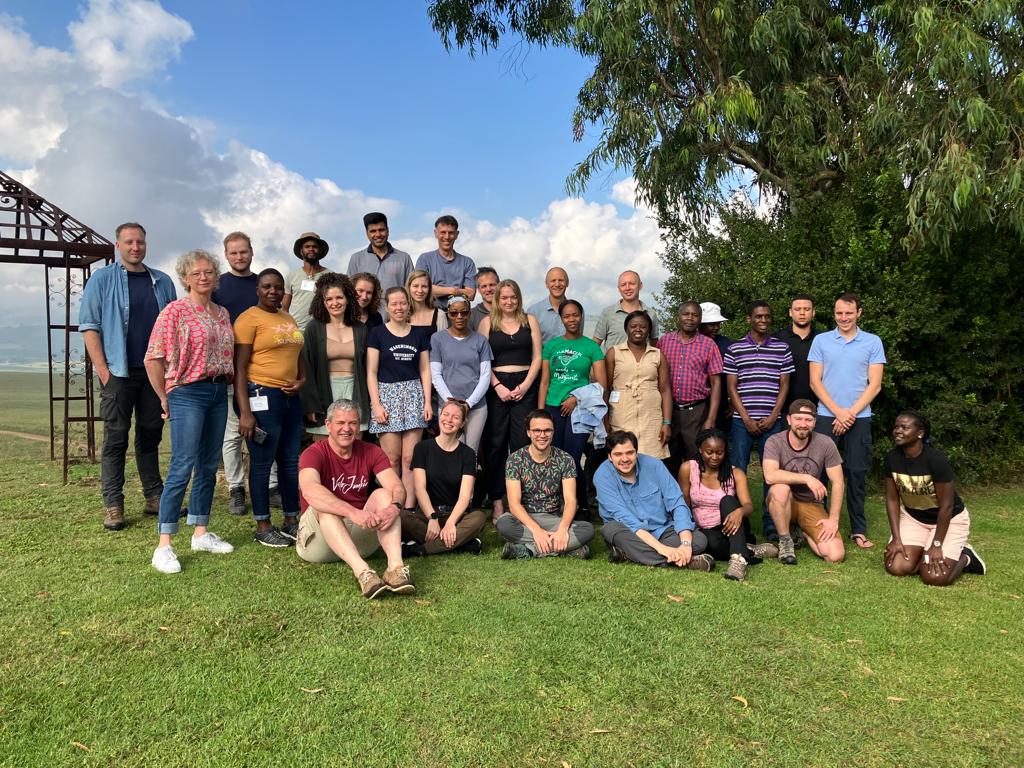
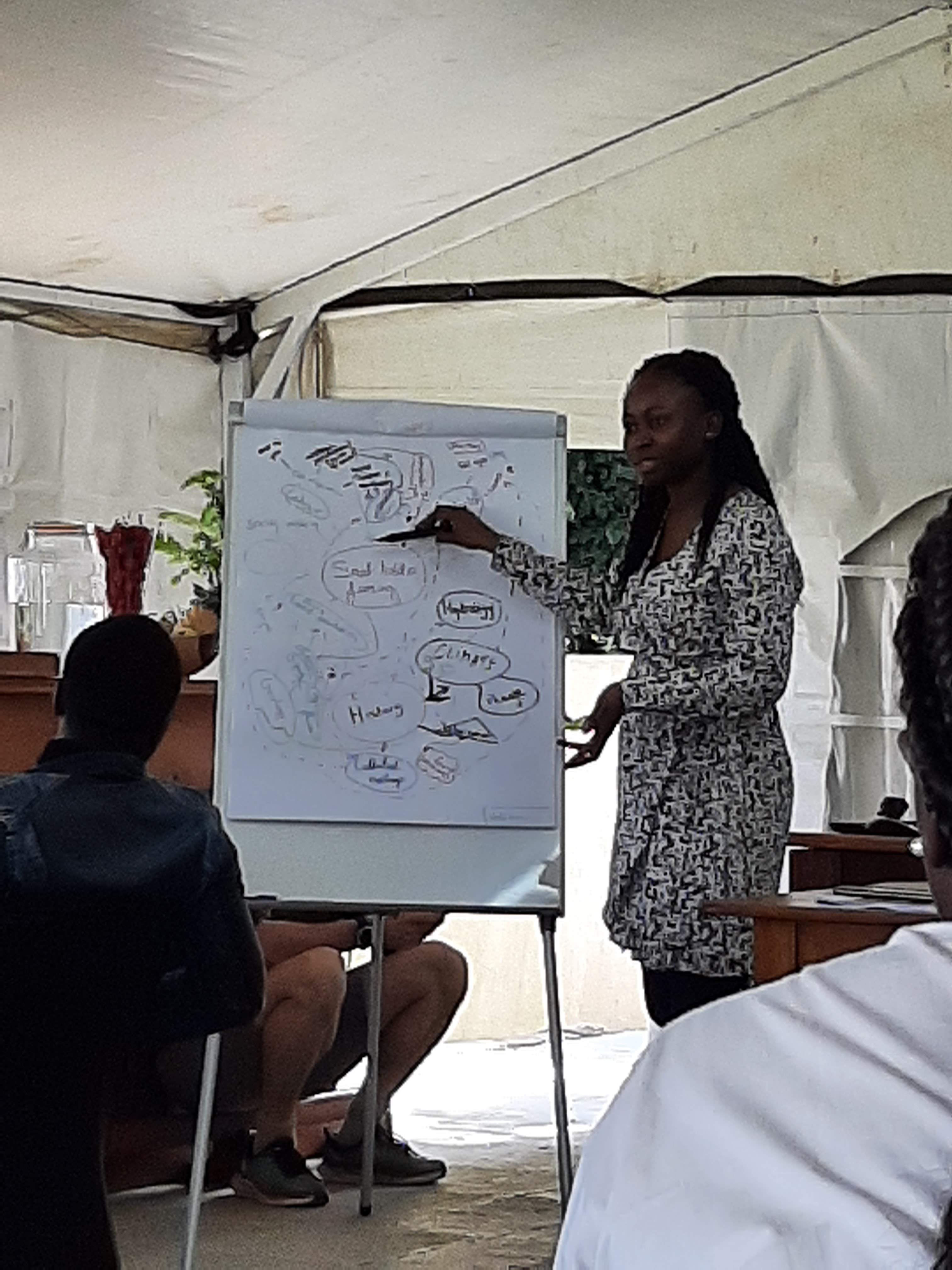
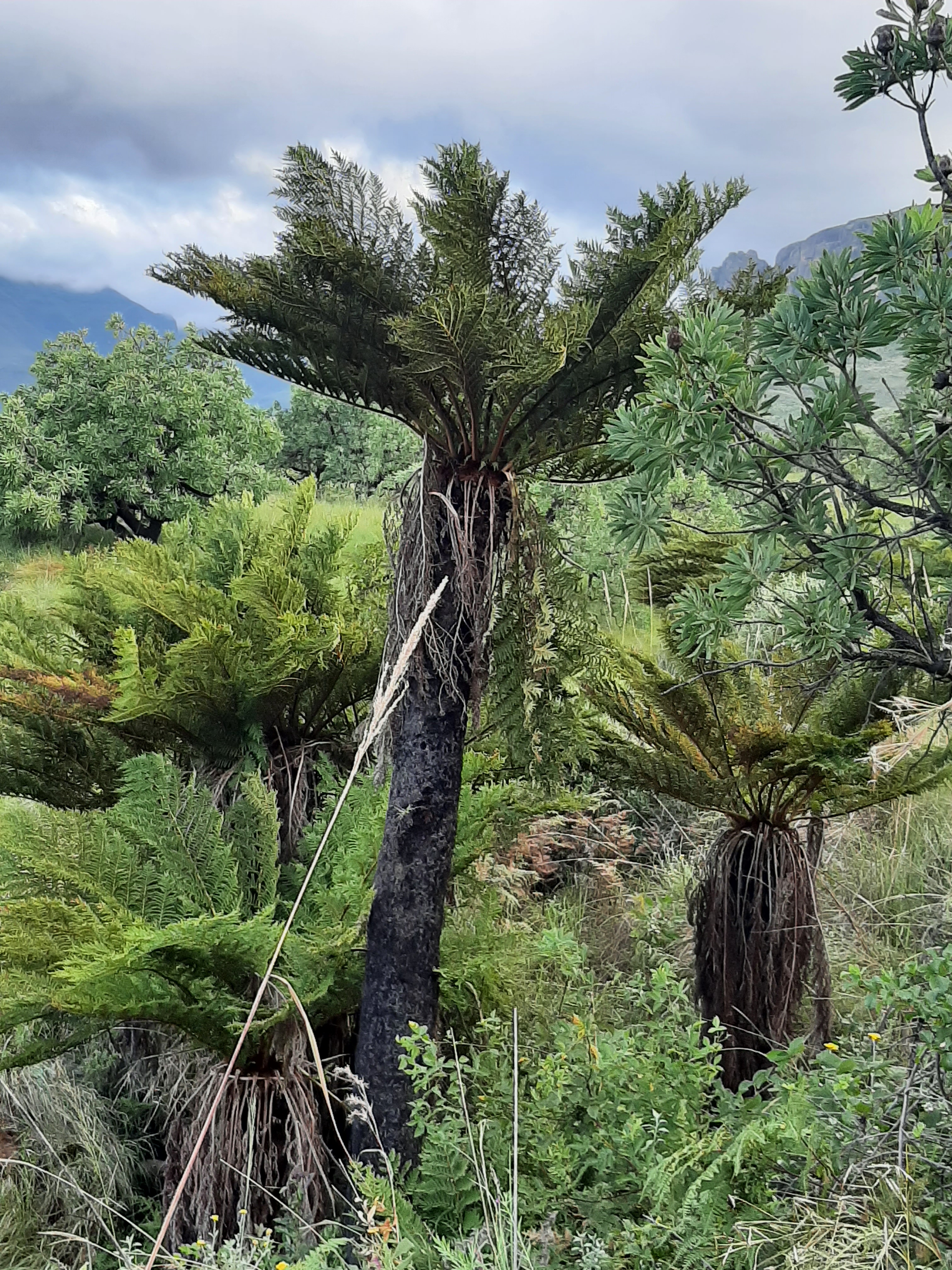
The course “Landscape Dynamics in an era of change: Learning from the past to face the future” took place in the Drakensberg Mountains of South Africa between 5 and 15 March 2023. The course was run by the Graduate School for Production Ecology and Resource Conservation (PERC) and participants were drawn from universities in the Netherlands and South Africa. The main goal of the course was to investigate the past and current dynamics of the region and predict possible futures in an inter- / trans-disciplinary context. Consequently the content of the course was incredibly diverse including: geology, geomorphology, palaeoecology, cultural history, vegetation studies, soil science, farming systems and forestry. These topics were integrated into four group projects centered on invasive species, rewilding, commercial farming and small scale farming.

MSc track Earth System Science

February 17, 2023
WDG

At the University of Amsterdam the MSc Earth Science is split into two tracks, one of these is entitled: “Earth System Science”. Earth System Science is a research intensive track focused on understanding the fundamentals of abiotic and biotic interactions across the globe and through time. During this degree you will spend around 6 months studying to pick up specialist knowledge and skills, and around 18 months actively developing yourself – in your key areas of interest – through project work.

The taught part of the Earth System Science track includes courses such as:

  • The Earth System: Learn how to analyse Earth system function across space and through time.
  • Analysis & Modelling Lab: Develop skills in data handeling, analysis and modeling relevant to Earth science.
  • Biogeochemical Cycles in the Earth System: Study how the dynamics of carbon and nitrogen link to societal challenges.
  • Climate Change: Explore the scientific basis for climate change an its implications for the environment and society.
  • Environments Through Time: Consider and analyse environmental change on timescale relevant to landscapes, societies and climates.
  • GIS and Remote Sensing in Ecosystem Dynamics: Learn how to use large remotely sensed datasets to gain insights into geological, geomorphological and soil systems.
  • Click here for further details and a full list of courses.
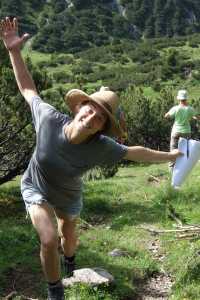
Clare Lee (on one leg, left) during field course in Peru successfully published her literature review which she conducted as part of her MSc in Earth Sciences at the University of Amsterdam.

In addition, free elective courses are possible from across the University of Amsterdam, or at other approved organizations or universities, i.e. it is possible to pick up skills in other specialisms (for example in languages, AI, or programming), or study a course at a university abroad, and have this included within your University of Amsterdam MSc Earth Science degree.

The project part of the Earth System Science track includes two research projects, or one research project and one internship with an external organization (such as a company or NGO). MSc research projects are often closely linked to active research within the Institute for Biodiversity & Ecosystem Dynamics. Some projects and literature reviews conducted by our MSc researchers reach a high enough level to be published in international scientific journals, either on there own or as part of a wider collaboration. Examples of recent papers including MSc researchers (highlighted in bold) are:

  • Lee, C.M., van Geel, B. & Gosling, W.D. (2022) On the use of spores of coprophilous fungi preserved in sediments to indicate past herbivore presence. Quaternary 5, 30. DOI: 10.3390/quat5030030
  • de Nijs, E.A. & Cammeraat, E.L. (2020) The stability and fate of Soil Organic Carbon during the transport phase of soil erosion. Earth-Science Reviews 201, 103067. DOI: 10.1016/j.earscirev.2019.103067

New Look MSc Earth Sciences (University of Amsterdam)

February 8, 2023
WDG

The MSc Earth Sciences at the University of Amsterdam has a new look for the start of the next academic year (starting September 2023). Drawing on the international research expertise of our staff it is now possible to tailor your studies within two complementary tracks:

  • Earth System Science: Focused on fundamental aspects of Earth science, such as biogeochemical cycles, climate dynamics, and past environmental change. Our education follows our research in exploring how abiotic and biotic elements of the Earths system interact through time and across the globe.
  • Environmental Management: Focused on the interface between Earth science and society, key topics include: management of coastal systems, ecosystem dynamics in urban environments, and the relationship between science policy and ethics. During your internship you will have the opportunity to engage with societal partners to develop skills and projects.
Judith Kirschner completed a MSc Earth Science project on past fire activity, and now is a PhD researcher in fire dynamics at the European University of Cyprus.
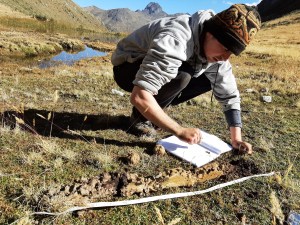
Mo Adam examining sediments in the high Andes during the MSc Earth Science Geo-ecosystem Dynamics field course in Peru (2022).

For both tracks education is delivered through lectures, field courses, laboratory practical’s, and data analysis. Furthermore, you will get the chance to develop your own research agenda by conducting a project with one of our scientists, or at an external partner or university. In addition to expert knowledge our graduates have transferable skills in data handeling, numerical analysis, and science communication.

To find out more about our program visit click here to visit the MSc Earth Sciences pages on the University of Amsterdam web site.

The Ecology of the Past: Inagueral lecture

January 12, 2023
WDG

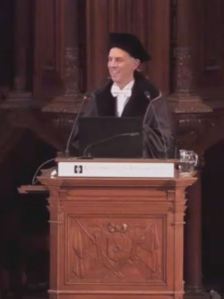
William Gosling giving his oratie “The Ecology of the Past” at the Aula (University of Amsterdam), 22 December 2022.

On the 22 December I gave my oratie (inaugural lecture), entitled “The Ecology of the Past”, related to my appointment as Professor of Palaeoecology & Biogeography at the University of Amsterdam. I really enjoyed the opportunity to mark this personal milestone with some many colleagues, friends and family. In case you missed the event you can watch it online via the universities portal by clicking here (or on the photo).

Note: (1) to flip between seeing the slides and the video feed just click on the screen, (2) running time of lecture until 50 minutes.

Reference

Gosling, W.D. (2022) The Ecology of the Past
Inaugural speech, University of Amsterdam.

Jobs: Two Assistant Professorships within Department of Ecosystem & Landscape Dynamics

December 7, 2022
WDG

I am pleased to announce two new vacancies within the Department of Ecosystem & Landscape Dynamics at the University of Amsterdam. These position are part of a recruitment drive across the Institute for Biodiversity & Ecosystem Dynamics triggered by new funding from the Dutch government (Earth & Environmental Science Sector Plan). Both positions will be at the Assistant Professor level (either Tenure Track, or directly tenured following a period of probation; dependent upon the experience of the successful candidate). For full detail, and how to apply, check out the below links:

Closing date: 8th January 2023

These positions are designed to compliment, and strengthen, existing expertise within the department in biogeochemistry, Earth surface science, landscape ecology and palaeoecology. We are looking for scientists who are engaged with laboratory, field and/or modelling focused research, have a proven track record of publishing, and are looking for a base to build their own research group. We are looking for enthusiastic and innovative educators keen to lead and develop practical and field based courses and projects for students in our BSc Future Planet Studies and MSc Earth Sciences degree programs.

If you have any question please do not hesitate to get in contact with me directly: William D. Gosling

If you are interested to join IBED but feel you do not fit to one of these position check out our other vacancies at by clicking here.

Blog at WordPress.com.