Time for topical ecology

March 14, 2025
WDG

8th European Conference of Tropical Ecology

36th Annual Meeting of the Society for Tropical Ecology

24-28 February 2025, Amsterdam

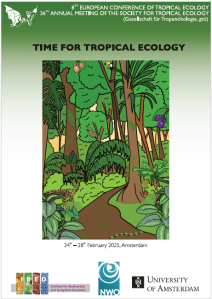
The 8th European Conference of Tropical Ecology took place in Amsterdam (The Netherlands) from 24 to 28 February 2025. This meeting was organized for the Society for Tropical Ecology. The event was hosted by the Institute for Biodiversity & Ecosystem Dynamics (University of Amsterdam), held at Hotel Casa, and the main sponsor was the NWO (Dutch Science Foundation).

During the conference around 250 scientists delivered 150 oral and 69 poster presentations. The science spanned the full breadth of tropical ecology, ranging from interactions of coral dwelling crabs, through carbon cycling dynamics in forests, to the governance of hunting activity. The six keynote speakers were paired under three topics “Human legacies in the tropics”, “Tropical ecosystem dynamics”, and “Protecting tropical ecosystems”. Within each topic we invited a senior scientist and a ‘rising star’ to provide their perspective on a particularly hot-button issue. If you want to find out more about what was presented all the abstracts are now published, open access, in the Society for Tropical Ecology’s journal Ecotropica.

Abstract booklet

Open access:
Gosling, W.D. & McMichael, C.N.H., eds. (2025) Time for tropical ecology: Abstracts of the 8th European Conference of Tropical Ecology, Amsterdam, The Netherlands; 24.-28.2.2025. The Society for Tropical Ecology, Ecotropica, 26 (1-2): 1-222. https://doi.org/10.30427/ECOTROP202501

Big History

December 18, 2024
WDG

This week I will give a lecture on the University of Amsterdam, Institute for Interdisciplinary Studies, BSc Big History course. This course sets out with the large ambition of covering “How the histories of the cosmos, life, Earth and human societies influence each other and shape important aspects of the world together?” The small component of this that I am involved in relates to the understanding of past environmental change and how humans have shaped the landscapes we see around us today.

Related to the topic of past environmental change Prof. Henry Hooghiemstra (University of Amsterdam), and the Big History team, have produced a short video “How are civilizations influenced by climate change?”. In this video a introduction to how we can obtain information on past environmental change from the sedimentary record is given, and examples of changing landscapes and cultures in the Netherlands and Mexico are discussed.

You can find more Big History content in the University of Amsterdam Big History MOOC (Massive Online Open Content) by clicking here.

European Conference of Tropical Ecology: Registration Open

November 14, 2024
WDG

We are excited that more than 250 abstracts have been submitted for the 8th European Conference of Tropical Ecology “Time for Tropical Ecology” in Amsterdam. Furthermore, we are delighted to announce the NWO (the Dutch Science Foundation) as the main sponsors of the event. The conference is being organised by the Institute for Biodiversity & Ecosystem Dynamics (University of Amsterdam) on behalf of the European Society of Tropical Ecology. The conference will take place in February 2025 at a central location in the city (Hotel Casa).

We have an exciting program emerging including keynotes from three ‘rising star’ and three ‘senior’ scientists, a conference dinner (House of Watt), and a photo competition with prizes! Throughout the program we hope to create a vibrant atmosphere for the discussion of cutting edge research into the tropical regions of planet Earth.

You can be a part of this event by registering now. Early bird rate is valid until: 18 December 2024

Past environments of the Veluwe

October 20, 2024
WDG

On the 17 and 18 October 2024 the Palynologische Kring (Dutch Palynological Society) held a seminar afternoon and excursion near Apeldoorn in the Netherlands.

During the seminar afternoon (17 October) we heard four talks. The first from Harm Smeenge and Ariët Kieskamp (both Bosgroep) introduced the sites we were to visit on the excursion the next day. This focused on the landscape ecology and ecological history of the bogs on the eastern slopes of the Veluwe. The second talk, by Roy van Beek (Wageningen University & Research), focused on the Celtic field systems around the Veluwe. He explained the latest archaeological and archaeobotaincal work investigating the age and origins of these field systems. The third presentation was by Jasper Candel (Wageningen University & Research) and focused on the geomorphological features from glacial activity in the Veluwe region and how this has effected the development of mire ecosystems. I (William Gosling) gave the final talk, presenting the outputs of the research theses of Sanna Wessel, Chiara Raino and Roos Dik who all completed projects at the University of Amsterdam and worked together to investigate how different mega-herbivore populations in the Dutch landscape were represented by the dung fungal spores preserved in the soil.

Continue Reading

INQUA Fellowship journey: Alfred Hougnon (field work)

October 19, 2024
WDG

INQUA fellow Alfred Hougnon continues his research into past environmental change in the Dahomey Gap (Benin). In the fourth video documenting his progress a short background to the project, and insights into field work, are given. Field work took place near the Ewe-Adakplame forest in the south east of Benin and involved the recovery of sediments using a Russian corer. The video also shows how interactions and engagement with the local community was developed during the research expedition.

To find out more above Alfreds project read posts on:

To watch more videos about past environmental change visit the Ecology of the Past YouTube channel.

Palaeoecology Reference Collection

August 19, 2024
WDG

I am delighted to be able to report that the “Palaeoecology Reference Collection” housed at the Institute for Biodiversity & Ecosystem Dynamics (University of Amsterdam) is now listed as part of the national ecological research infrastructure of the Netherlands. It is great to get recognition for this important collection. Elements of the collection are available digitally and we continue to work to find resources to improve our physical and digital collections. To find out more about the ecological resources in the Netherlands visit the “Ecological research infrastructures in the Netherlands” or the specific “Palaeoecology Reference Collection” web pages.

Mapping Ancient Africa: Scientists

August 13, 2024
WDG

During the Mapping Ancient Africa writing workshop in Kenya (3-6 June 2024) Stefanie Kaboth-Bahr conducted a series of short interviews with the scientists attending. Below you can find part 2 (of 2) of the interviews with the participants in the workshop. Watch the videos to find out their scientific stories and top tips for academic writing. Watch all the Mapping Ancient Africa videos on the Mapping Ancient Africa YouTube Playlist.

The participants (part 2 of 2)

Ruth Kiely (University of Amsterdam, Netherlands)

Husna Mashaka (Arizona State University, USA & National Museums of Kenya, Kenya)

Continue Reading

MSc Earth Sciences: Peru field course 2024

July 10, 2024
WDG

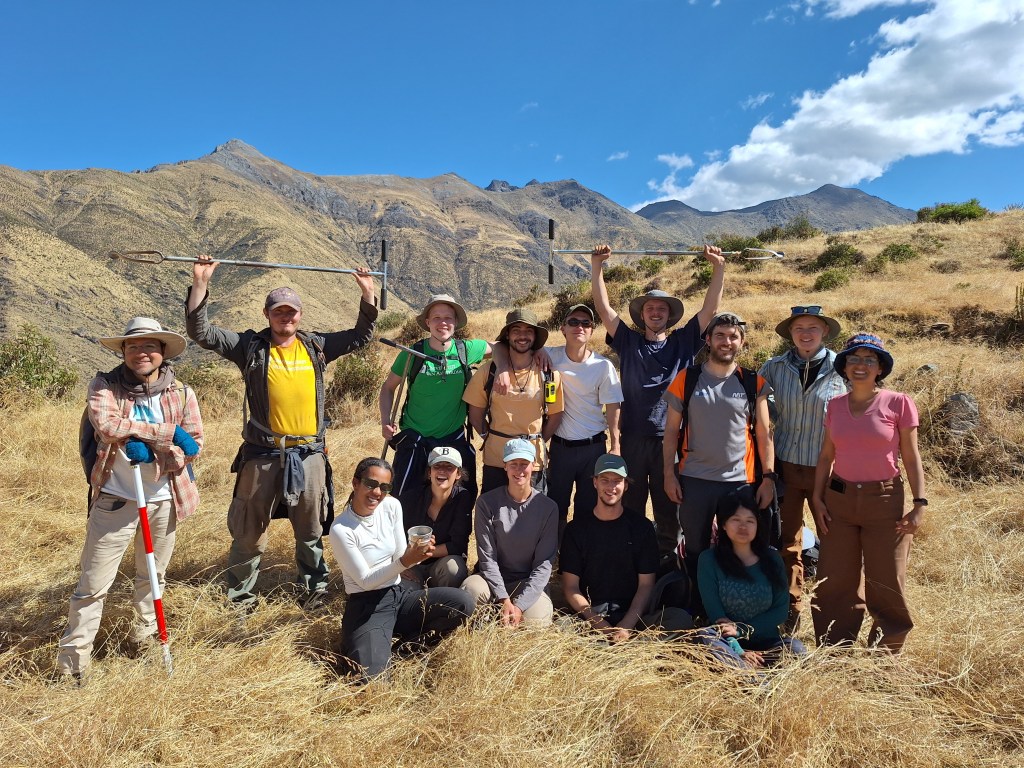
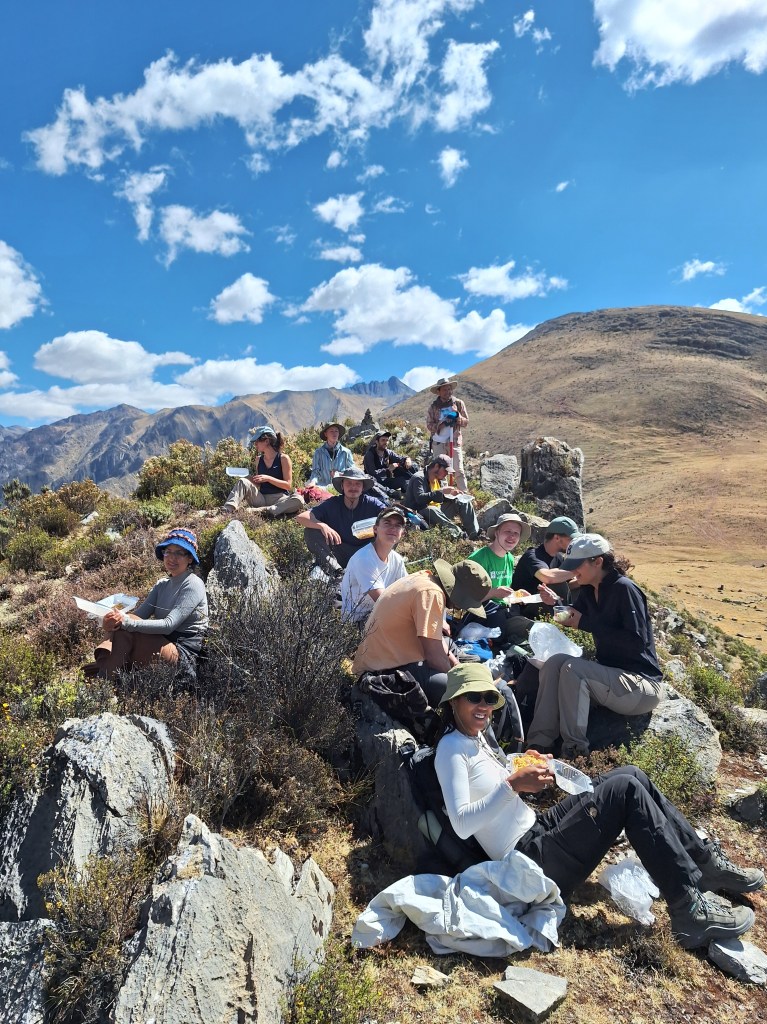
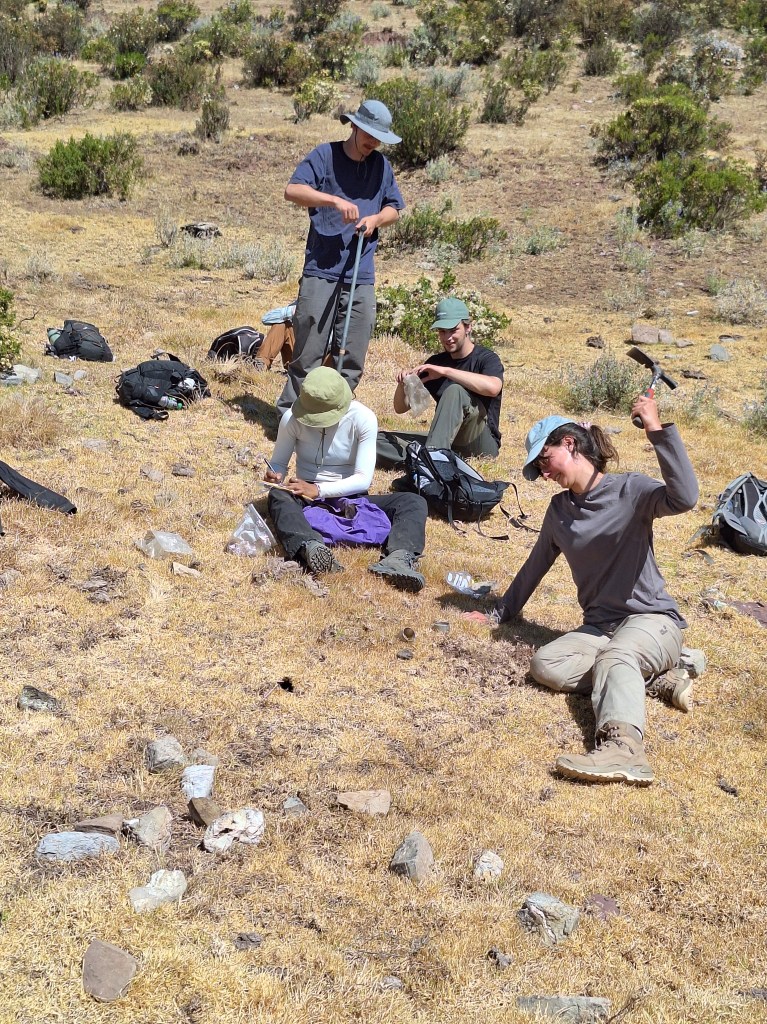
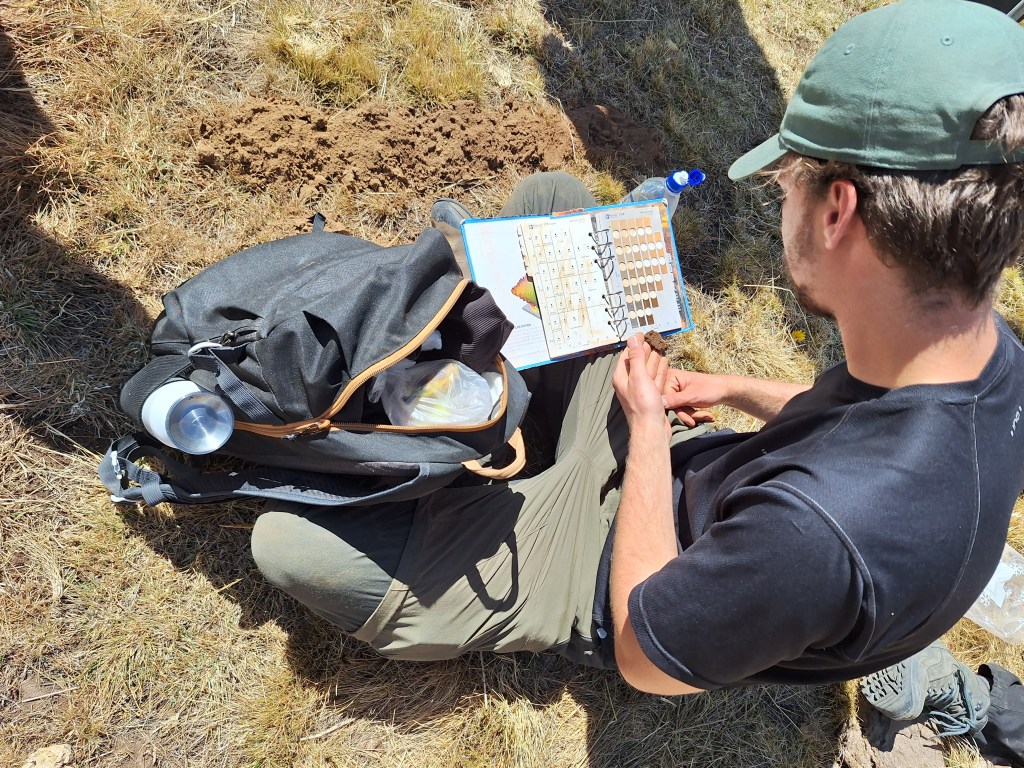
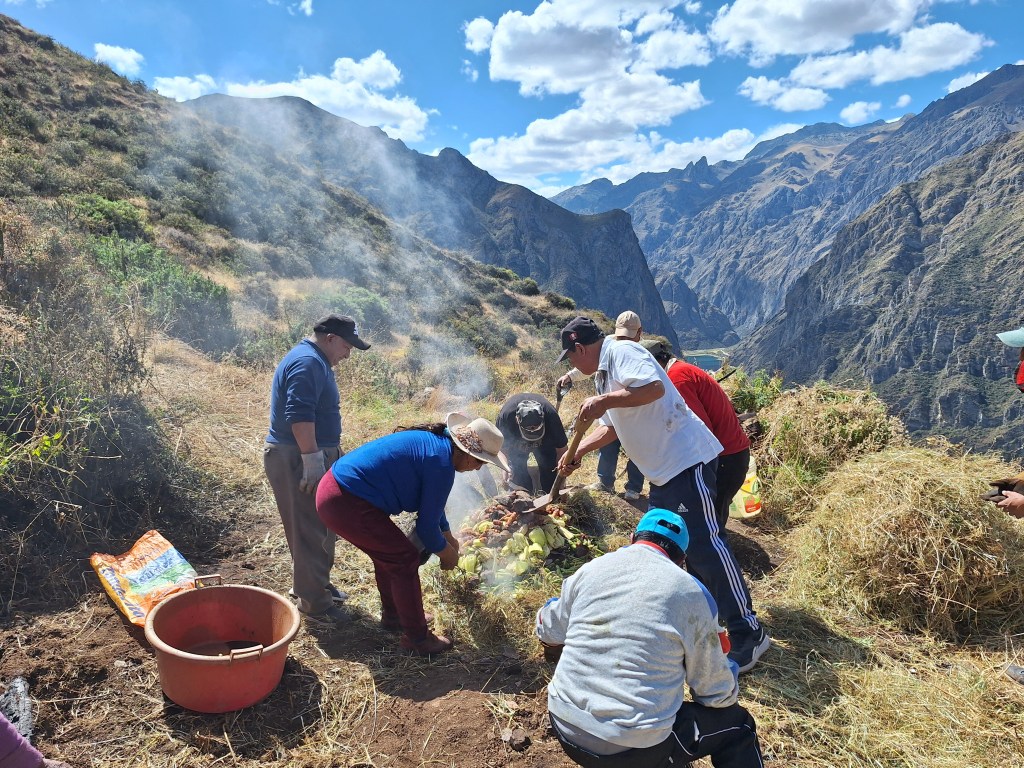
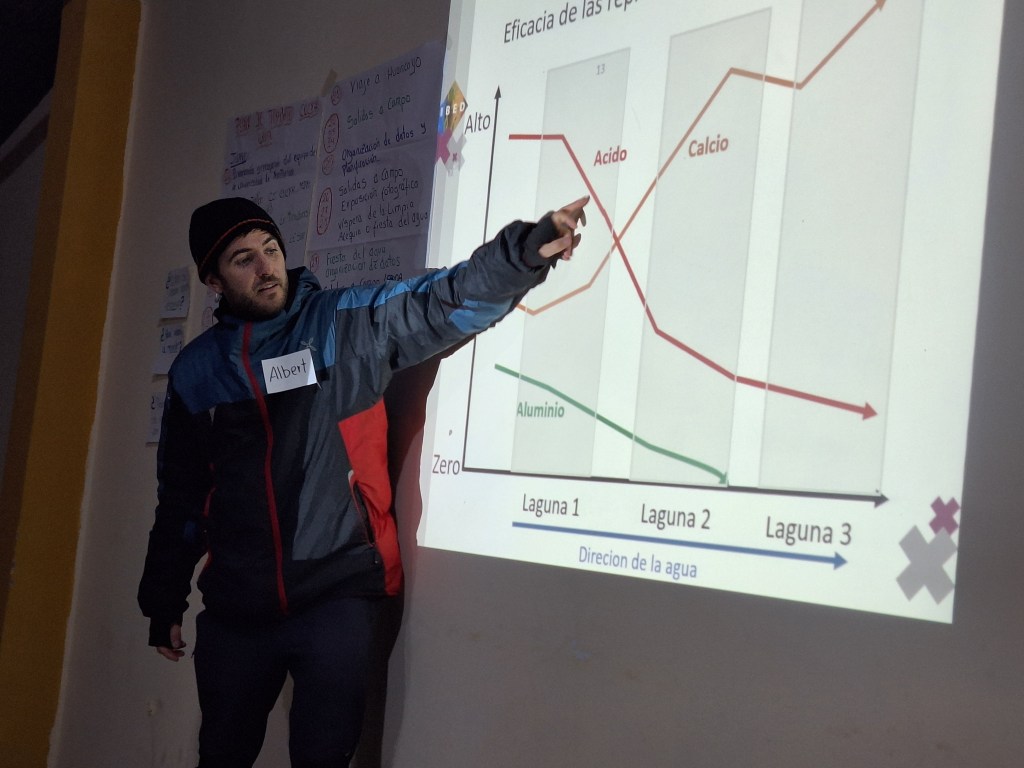
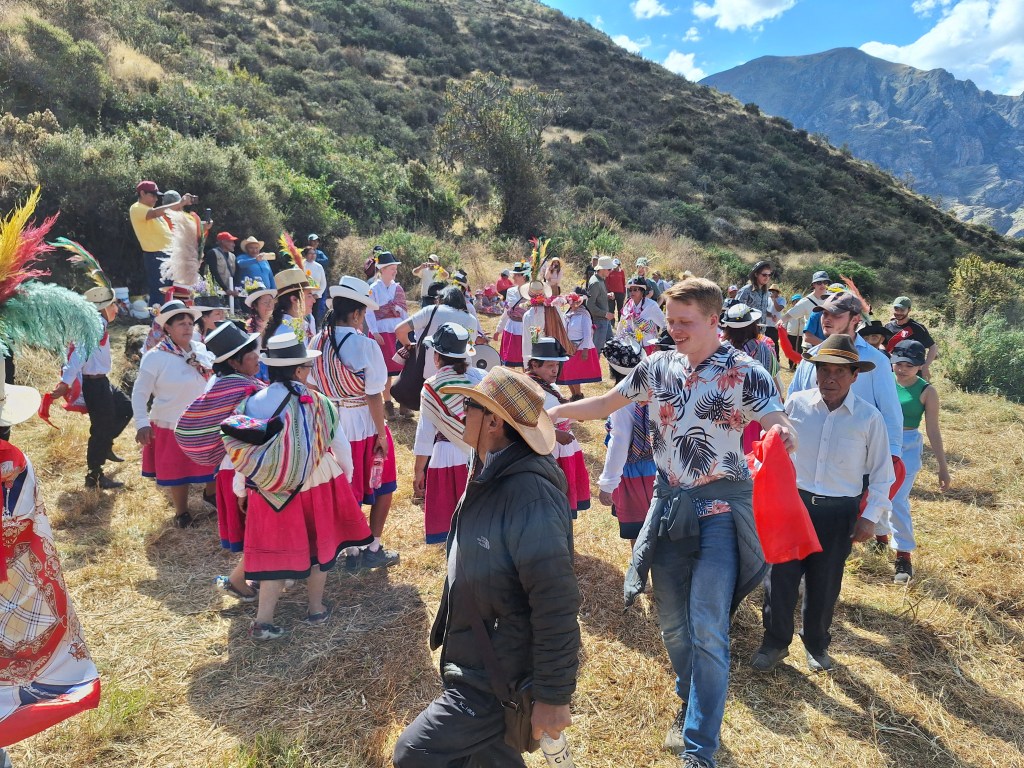
The University of Amsterdam MSc Earth Sciences “Geoecological Systems” field course took place this year in Miraflores (Peruvian Andes) during June and July. Eighteen students, including three from Peruvian institutions, spent four weeks exploring the high Andes. During this time the students developed scientific projects to address interests of the local population related to soil quality, environmental pollution, water resources and cultural heritage. Access to the area and embedding within the community was enabled by The Mountain Institute Peru. During the course the students gained extensive ‘hands on’ field experience, developed teamworking skills and discovered the benefits of a participatory approach to research.

This course runs once every two years (to find out about the 2022 expedition click here). Want to join us on a future expedition? Check out our degree program here to enroll.

Images from the University of Amsterdam Peru field course 2024

SASQUA conference

June 6, 2024
WDG

South African research trip (part 1 of 3)

By Jelle Kraak

As part of my MSc Biological Sciences (University of Amsterdam) research project entitled “Assessing the effect of human induced fire regime changes on vegetation in the Drakensberg mountains” (for further details click to see previous post). I’ve travelled to Africa, where I’ll be staying a month. During this mini blogpost series I’ll take you with me on my travels! 

In the first week of my visit here, I along with my supervisor Prof. Trevor Hill and students from the University of Kwa-Zulu Natal went to visit the biennial SASQUA (Southern African Society for Quaternary Research) congress.

During the first poster session, I presented my poster which went into detail on how we are developing a proxy to reconstruct past fire using micro-Fourier Transformed Infrared Spectroscopy (µFTIR). These reconstructed fire temperatures can then be compared with phytolith or pollen data to assess the effects of different fire temperatures on local vegetation over time. The presentation and poster were well received!

After my poster presentation there were two more congress days which were filled with interesting talks and beautiful posters.

Continue Reading

Introducing: Jelle Kraak

June 5, 2024
WDG

Hello Ecology of the Past readers, my name is Jelle Kraak and I’m currently doing a research project for my MSc Biological Sciences (University of Amsterdam) supervised by William Gosling (University of Amsterdam), Jemma Finch (University of KwaZulu-Natal), and Trevor Hill (University of KwaZulu-Natal). The project is entitled: “Assessing the effect of human induced fire regime changes on vegetation in the Drakensberg mountains”. During the project I will visit South Africa to work at the University of KwaZulu-Natal and visit field site thanks to partial funding from the Amsterdam University Funds.

Research  project outline                                                                                 

As many of you know, humans have been interacting with the environment for millennia in various ways. One of the ways in which humans interact with the environment is through the ignition of fires. By doing so, humans may change fire regimes (fire frequency, severity and/or intensity), which in turn can cause changes in vegetation composition and structure. By using a combination of phytolith (local vegetation) and charcoal (fire) data from two sediment cores obtained from wetland environments in the Drakensberg mountains, we aim to assess the effect of fire regime changes on vegetation over the last 6000 years.

The phytoliths (biogenic silica microfossils) allow for the reconstruction of the past vegetation. Charcoal fragments characterize all aspects of past fire regimes: (i) frequency (time series analysis of charcoal data), (ii) severity (abundance of charcoal in samples reflecting biomass consumed), and (iii) intensity (spectral properties of individual charcoal fragments reflecting combustion temperature). 

The most interesting part of this project (in my humble opinion) is that this study is the first to use micro-Fourier Transformed Infrared Spectroscopy (µFTIR) to reconstruct fire temperatures from field samples ánd combine these accurately reconstructed temperatures with local vegetation data! It is important to accurately estimate fire temperatures, as the temperature of a fire dictates the type of plant materials which are consumed in a fire (the higher the temperature, the greater the proportion of woody material burning up). Similar studies have been conducted previously, however, these studies compared fire severity i.e. total burnt biomass with vegetation data. Although this works decently, total burnt biomass is not an accurate representation of fire intensity or temperature, as at very high temperatures biomass turns to ash, which cannot be detected in sediment cores. Through parameterizing both the vegetation changes and the fire regime we will provide a comprehensive picture of how changing human fire use practices modified the vegetation. We anticipate that: (i) a decrease in fire intensity resulted in woody encroachment of the surrounding vegetation, which was concomitant with the arrival of agropastoralists c. 600 years ago, and (ii) a shift in the proportion of C3 and C4 grass species in reaction to temperature changes in the Drakensberg mountains.

Blog at WordPress.com.